


South Wales Valleys 2026: Blaenavon, Big Pit & the Story of Industrial Wales
The South Wales Valleys are unlike anywhere else in Britain.
Carved by glaciers and reshaped by the Industrial Revolution, these parallel valleys running north from Cardiff and Newport were once the coal and iron heartland of the British Empire.
The pits have closed. But what remains is a landscape of extraordinary character — ridge walks with panoramic views, UNESCO World Heritage industrial heritage, reborn communities, and a culture of warmth, music and rugby that is entirely its own.
This is not a destination that performs for tourists. It is one of the most authentic parts of Wales and for that reason, one of the most rewarding to explore.
This guide covers everything for 2026.
© Hawlfraint y Goron / © Crown copyright (2026) Cymru Wales
Blaenavon: UNESCO World Heritage and the Industrial Revolution
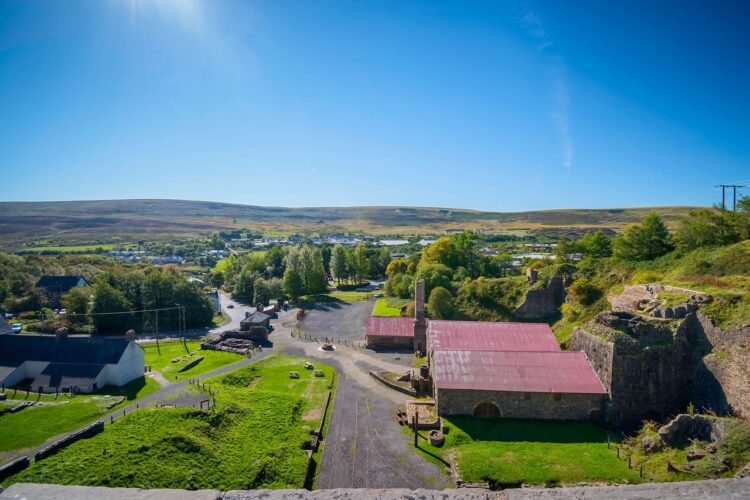
Blaenavon is the most significant heritage destination in the South Wales Valleys and one of only six UNESCO World Heritage Sites in Wales.
The designation recognises it as the finest surviving example of a 19th-century industrial landscape anywhere in the world.
Blaenavon Ironworks (NP4 9RN) was one of the most advanced ironworks in the world when it opened in 1789.
Its blast furnaces, water balance tower and workers’ cottages survive almost entirely intact — a remarkable time capsule of early Industrial Revolution technology.
Big Pit National Coal Museum (NP4 9XP, free entry, museumwales.ac.uk/bigpit) is the centrepiece of the Blaenavon experience and one of the finest free attractions in Wales.
Former miners lead underground tours 90 metres below the surface. Above ground, the pit head baths, winding engine house and canteen are all preserved.
Allow at least half a day.
The town also has a World Heritage Centre (free entry) and the Pontypool and Blaenavon Railway running seasonally on the original mineral line.
Caerphilly Castle: The Largest Castle in Wales
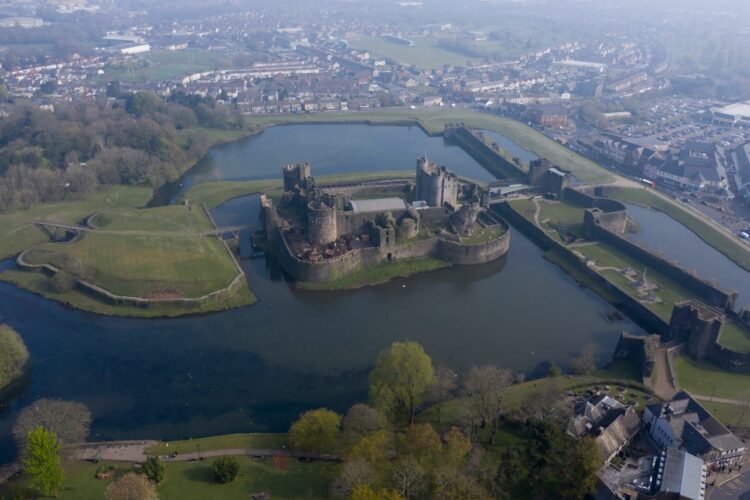
Caerphilly Castle (CF83 1JD) is the largest castle in Wales and the second largest in Britain after Windsor.
Built between 1268 and 1271, it is the first truly concentric castle in Britain — surrounded by an artificial lake that still holds water today.
The castle’s leaning south-east tower leans further out of vertical than the Tower of Pisa is one of the most striking sights in Welsh heritage.
Undermined during the Civil War, it has leaned at this angle for nearly 400 years and shows no sign of changing.
Caerphilly is 8 miles north of Cardiff — 20 minutes by train from Cardiff Central.
It is the most accessible day excursion into the valleys from the capital, with the castle, town market and the Caerphilly Big Cheese Festival (July, free entry) all within easy reach of the station.
The Rhymney Valley running north from Caerphilly was one of the most intensively mined in South Wales.
The original Rhymney Railway now operates as the Rhymney line on Transport for Wales — one of the most scenic valley rail journeys in South Wales.
See: castles in Wales.
Rhondda Heritage Park: Life in the Mining Valleys
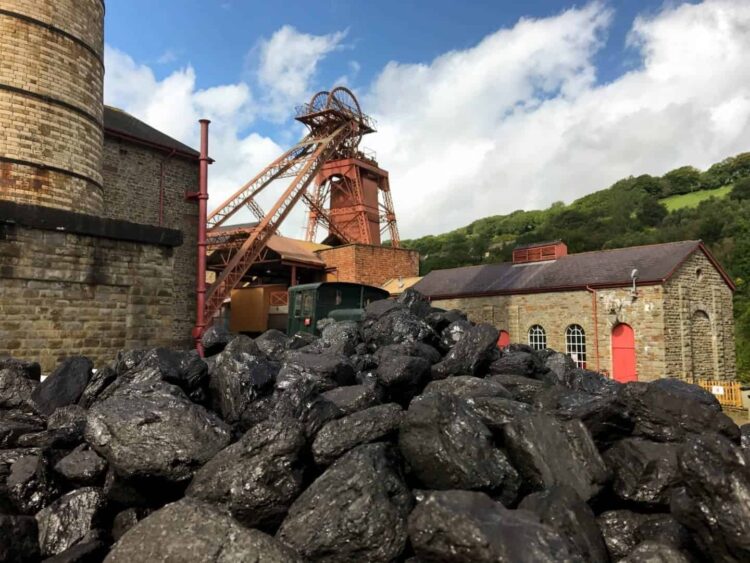
Rhondda Heritage Park (CF37 2NX) at Trehafod occupies the former Lewis Merthyr Colliery — one of the last pits in the Rhondda, closing in 1983.
It tells the story of the valley communities that grew around coal from the 1860s through deindustrialisation.
Former miners and their families lead much of the interpretation — giving it an immediacy and emotional weight that sets it apart. The focus is on community stories rather than industrial archaeology.
The Rhondda Valley itself — twin valleys of Rhondda Fawr and Fach — rewards slow exploration. Tonypandy, Treorchy and Treherbert each have distinct character.
The terraced streets, chapels, workingmen’s institutes and choral tradition are all part of the living culture.
Pontypridd is 20 minutes by train from Cardiff. Its covered market and the Pontypridd Museum (free entry) tell the region’s social and musical heritage. Tom Jones was born here in 1940.
Rhondda Heritage park
Ridge Walking Above the Valleys
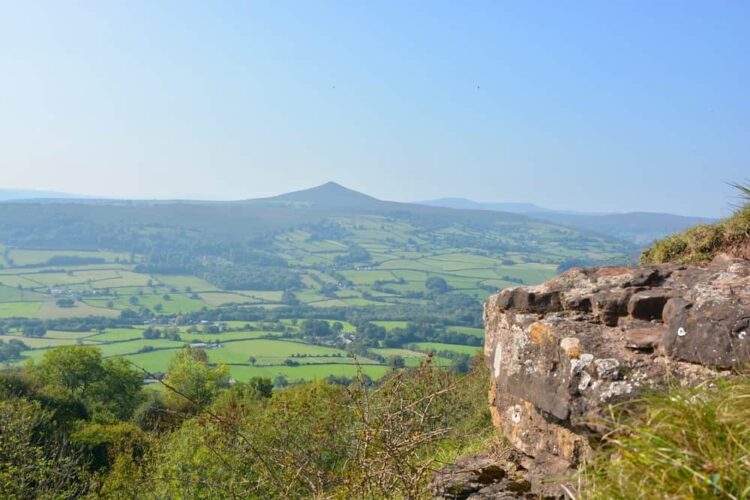
The valleys are bounded by upland ridges offering some of the best and least-crowded walking in South Wales.
The view from the ridge tops down into tight valley communities and out across the Bristol Channel is a surprising reward.
The Blorenge (559 metres, above Abergavenny) gives panoramic views across the Usk Valley, the Bannau Brycheiniog escarpment and, on clear days, Somerset across the Channel.
The ascent from Llanfoist (NP7 9LG) takes approximately 90 minutes.
The Brecon Beacons ridge above Merthyr Tydfil is directly accessible from the valleys.
The Storey Arms on the A470 (LD3 8NL) is just 30 minutes from Merthyr — making Pen y Fan a practical day walk from any valleys base.
Mynydd Islwyn and the ridges between the valleys offer gentler walking with outstanding views.
Community forests planted across former spoil tips have created new woodland routes that feel entirely different from the industrial townscapes below.
See: walking in Wales | hiking in Wales.
Bike Park Wales: World-Class Mountain Biking at Merthyr Tydfil
Bike Park Wales (CF48 2UT) at Gethin Woods above Merthyr Tydfil is the only lift-served bike park in Wales and one of the finest dedicated mountain bike venues in Britain.
Over 40 trails from beginner-friendly greens to demanding blacks, all served by chairlift.
The park draws riders from across Britain and Europe year-round. Trail day tickets, bike hire and uplift passes are all bookable online — reserve in advance at weekends and school holidays.
Cyfarthfa Castle (CF47 8RE, free entry to museum and park) was built by ironmaster William Crawshay in 1824 as a Gothic fantasy overlooking his ironworks.
Now a museum and art gallery, it is one of the best free cultural attractions in the valleys.
Merthyr is undergoing significant regeneration — the Valleys Metro is improving Cardiff connections and a new cultural quarter is taking shape around the town centre.
See: mountain biking in Wales.
Valleys Culture: Choirs, Food and the Renaissance
The South Wales Valleys are experiencing a genuine cultural renaissance.
A new generation of independent businesses, food producers and creative spaces is establishing itself in towns that were written off a decade ago.
Abergavenny at the southern gateway has become one of the best food towns in Wales.
The Abergavenny Food Festival (September, abergavennyfoodfestival.com) draws 40,000 visitors and is widely considered the finest food festival in Wales.
See: Bannau Brycheiniog guide.
Welsh male voice choirs are most concentrated in the valleys. The Treorchy Male Choir (founded 1883) and Côr Meibion De Cymru are among the most acclaimed — both occasionally welcome visitors to rehearsals.
Resort (NP18 1HQ) near Newport — host of the 2010 Ryder Cup and 2014 NATO Summit is the most significant hotel in the region. Its golf, spa and conference facilities attract visitors from across Europe.
See: food and drink in Wales.
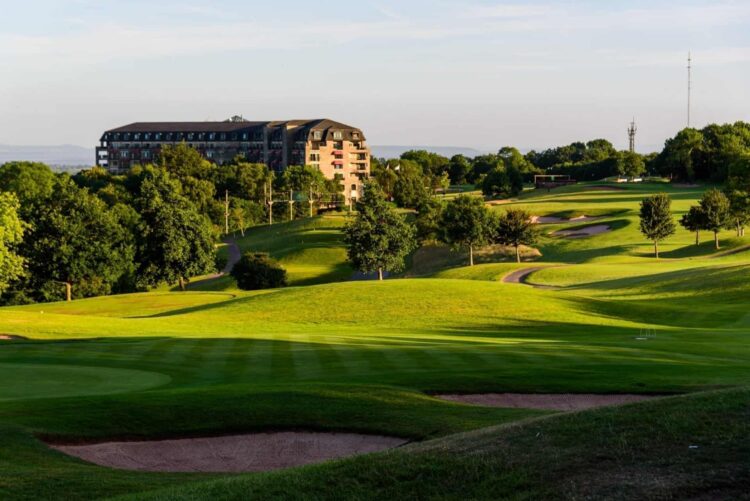
Celtic Manor Resort
Where to Stay in the South Wales Valleys
Hotels are the dominant accommodation type — primarily in Abergavenny, Merthyr Tydfil, Pontypridd and Caerphilly. Celtic Manor Resort near Newport is the standout property for those wanting a full-service resort base within reach of the valleys.
Holiday cottages are available in the upper valleys and on the surrounding hills — converted farmhouses with ridge views within easy reach of both the valley communities and the Brecon Beacons above.
Cardiff is 20–40 minutes by train from most valleys towns — making it a practical city base for day trips.
See: Cardiff city guide.
Use the map below to browse all property types.
See also: holiday cottages in Wales | best hotels in Wales.
Frequently Asked Questions: South Wales Valleys
What is the best thing to do in the South Wales Valleys?
Big Pit National Coal Museum at Blaenavon is the unmissable experience — a free underground guided tour led by former miners 90 metres below the surface. Combine it with Blaenavon Ironworks (also free, Cadw) for a full UNESCO World Heritage day. Caerphilly Castle is the best day trip from Cardiff into the valleys — 20 minutes by train and one of the most impressive medieval fortresses in Britain.
Is Blaenavon a UNESCO World Heritage Site?
Yes — Blaenavon was designated a UNESCO World Heritage Site in 2000, recognised as the finest surviving example of a 19th-century industrial landscape in the world. The designation covers Blaenavon Ironworks, Big Pit, workers’ housing, mineral railways and the surrounding landscape. It is one of only six UNESCO World Heritage Sites in Wales.
How far are the South Wales Valleys from Cardiff?
Most valleys towns are 20–55 minutes from Cardiff by train. Pontypridd and Caerphilly are 20 minutes. Merthyr Tydfil is 55 minutes. Blaenavon is best reached by car — approximately 45 minutes from Cardiff via the A465. The valleys are also accessible as day trips from Bristol — Blaenavon is approximately 1 hour via the M4.
Planning a trip to Wales?
Find the perfect holiday cottage for your Welsh adventure.