


Wales is famous for its rugged mountain ranges and wild coastlines, but its formal gardens and managed country parks are equally impressive. Whether you’re looking for a manicured floral display maintained by the National Trust, a vast estate where wild deer roam freely, or a fully accessible, pram-friendly park for a weekend stroll, you’ll find it here.
This guide covers the best nature landscapes across the country by region, with postcodes, entry fees and honest advice on terrain and accessibility.
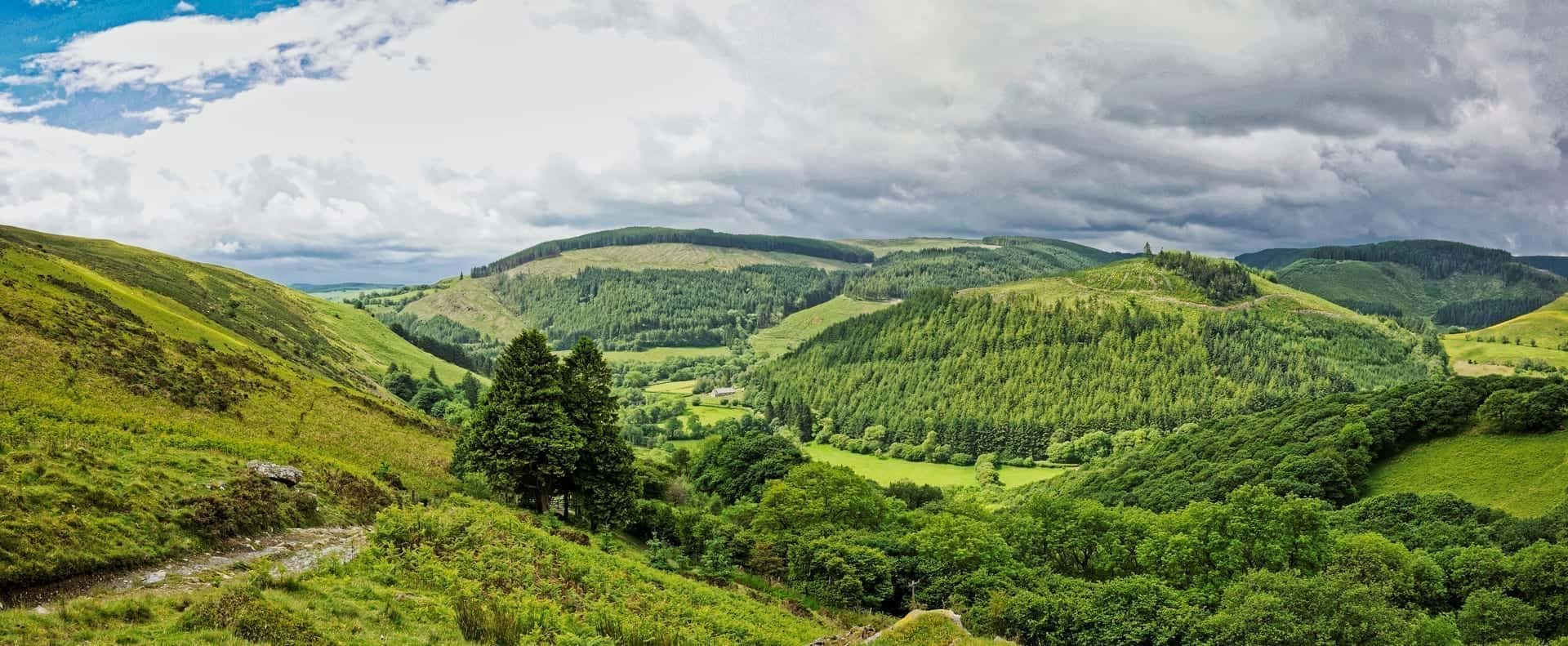
1. North Wales: Formal Terraces & Woodland Estates
If you’re basing your holiday in North Wales, the landscape is heavily influenced by the steep, dramatic terrain. The country parks here often feature ancient forestry, dramatic water cascades, and careful terracing cut directly into the hillside.
| Park / garden | Postcode | Managed by | Adult entry | Dog friendly? |
|---|---|---|---|---|
| Bodnant Garden | LL28 5RE | National Trust | £15.00 | Daily, 1 Oct–1 Apr (short leads) |
| Portmeirion (The Gwyllt) | LL48 6ER | Private Estate | £18.00 | Assistance dogs only |
| Padarn Country Park | LL55 4TY | Gwynedd Council | Free (pay & display) | Yes (all areas) |
| Loggerheads Country Park | CH7 5LH | Denbighshire Council | Free (pay & display) | Yes (great for walking) |
| Plas Newydd Gardens | LL61 6DQ | National Trust | £13.00 | Yes (in main gardens) |
Bodnant Garden (Conwy)
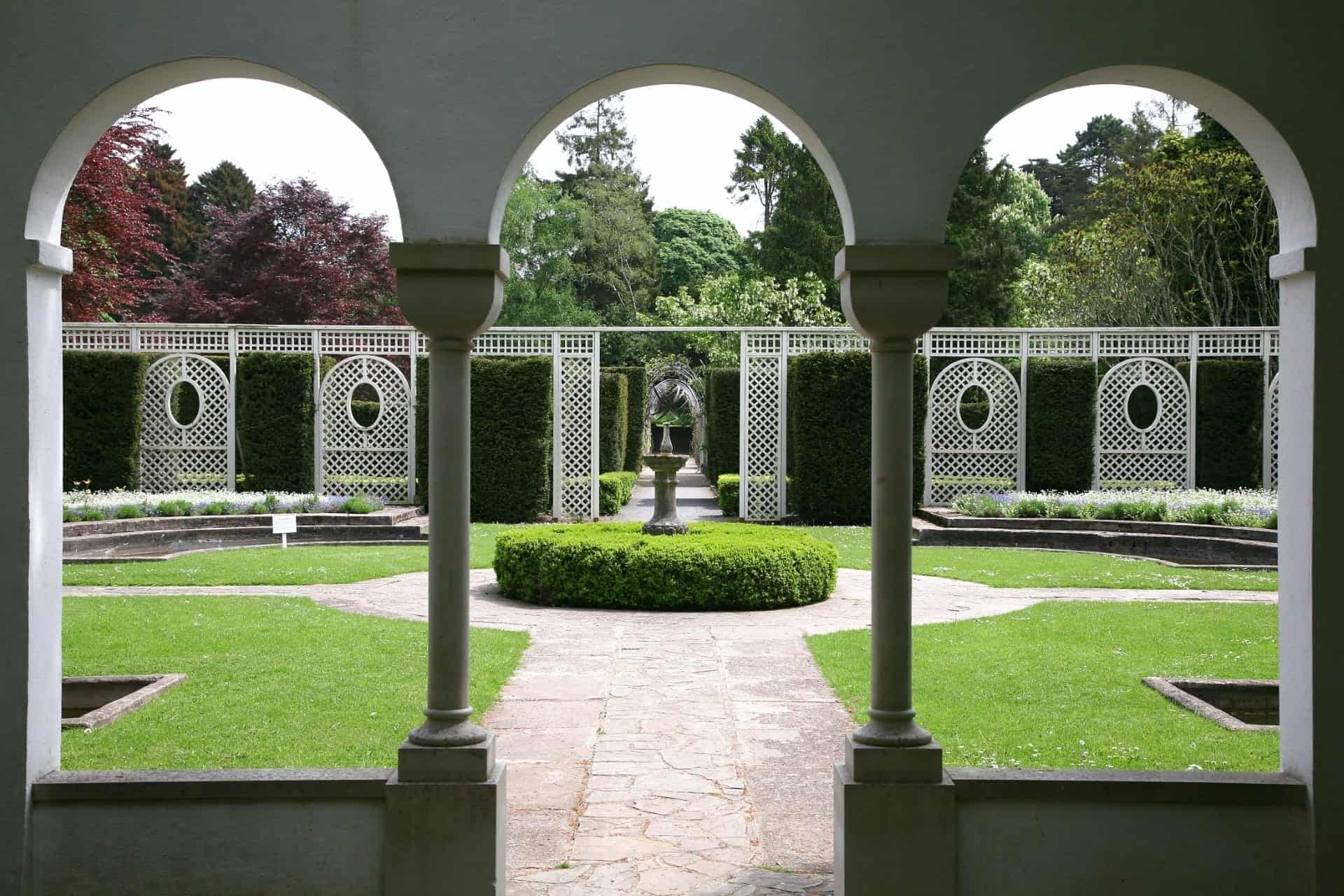
Bodnant is arguably the most famous garden in Wales. Spanning 80 acres above the River Conwy, it’s a masterclass in varied horticulture. The site splits into two main sections: the manicured upper terraces (huge Italianate stone walls and lily ponds) and the wilder lower area known as The Dell, with towering Redwood trees and a fast-flowing river. In late May to early June, the Laburnum Arch bursts into a spectacular tunnel of yellow flowers, drawing visitors from across the UK.
Portmeirion & The Gwyllt
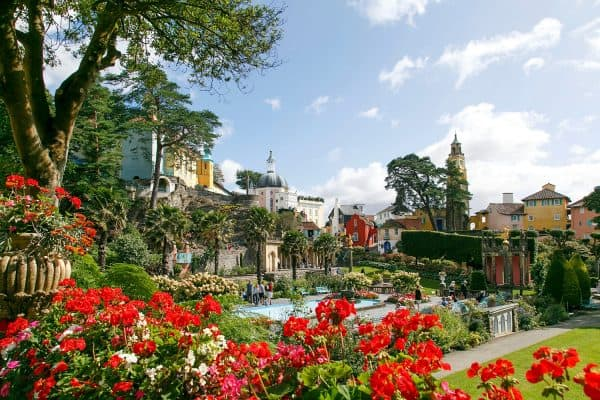
While most people visit Portmeirion for its colourful, Italian-style architecture, the ticket also grants access to ‘The Gwyllt’ (The Wild), a 70-acre sub-tropical woodland garden with some of the largest Champion Trees in Britain, hidden gazebos, and a spectacular coastal path. It’s worth combining with a stay in one of the nearby holiday cottages to get there early before the coach tours arrive.
2. Eryri (Snowdonia) & The National Parks
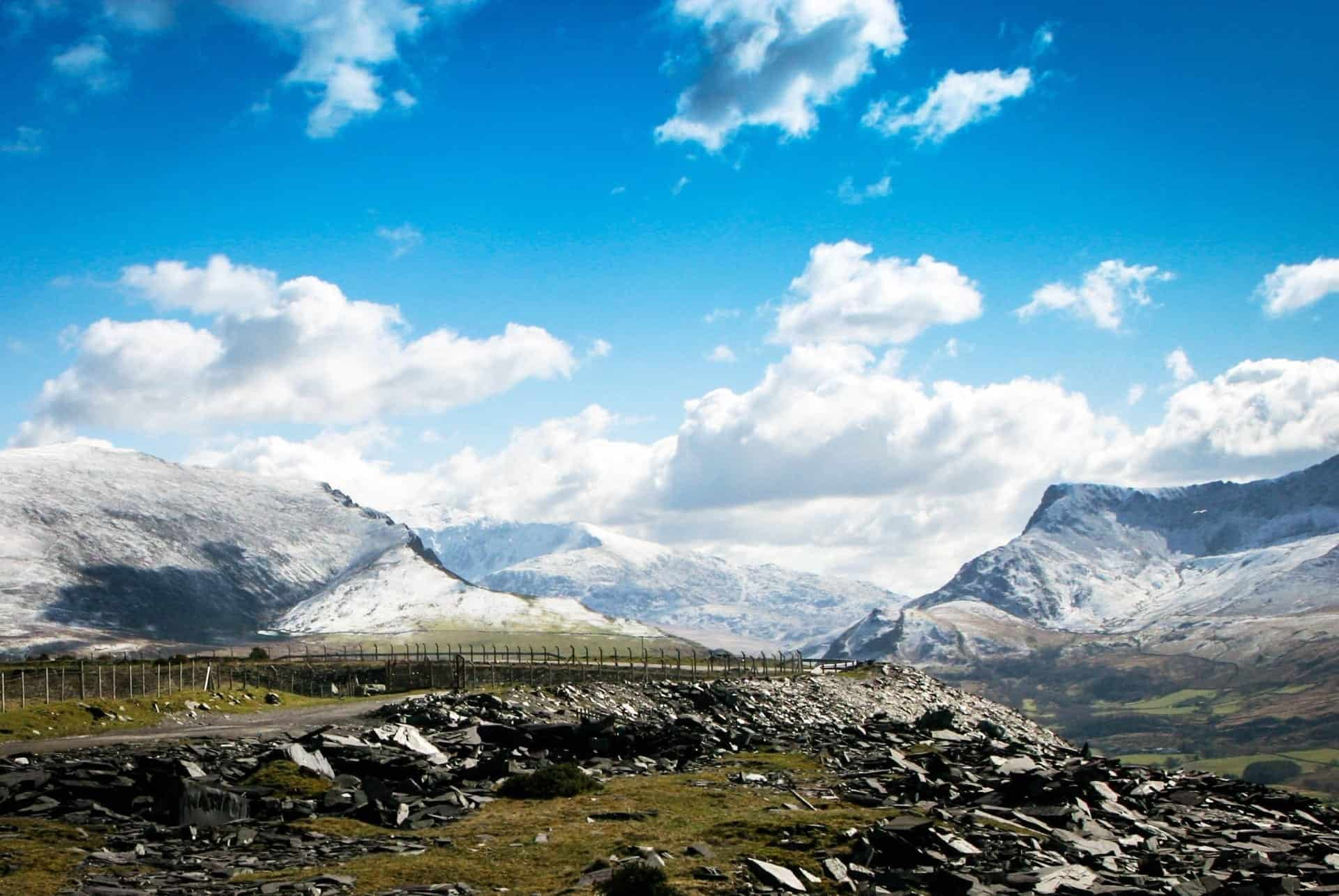
We can’t talk about the outdoors without mentioning the massive national parks managed by Natural Resources Wales and local authorities. While not “gardens” in the traditional sense, these spaces provide the ultimate country park experience.
Padarn Country Park in Eryri (Snowdonia) covers 800 acres right at the foot of the mountains. It wraps around Llyn Padarn (a glacially formed lake) and includes dense oak woodland, the ruins of Dolbadarn Castle, and access to the Llanberis Lake Railway. It’s a good, low-cost option for family days out if you want mountain scenery without climbing a peak.

3. South Wales: Historic Estates & City Oases
South Wales benefits from large, sprawling estates originally funded by the region’s industrial wealth. These spaces are generally flatter, highly accessible, and close to the major cities, ideal for quick afternoon visits.
| Park / garden | Postcode | Managed by | Adult entry | Dog friendly? |
|---|---|---|---|---|
| Margam Country Park | SA13 2TJ | Neath Port Talbot | Free (parking £7) | Yes (kept on lead) |
| Tredegar House Gardens | NP10 8YW | National Trust | £12.00 | Yes (parkland only) |
| Roath Park | CF23 5PA | Cardiff Council | Free | Yes |
| Bute Park | CF10 3ER | Cardiff Council | Free | Yes |
| Gnoll Estate Country Park | SA11 3HQ | Neath Port Talbot | Free (pay & display) | Yes |
Margam Country Park (Port Talbot)
Margam is an absolute powerhouse of a country park. Centred around a 19th-century Gothic mansion and an 18th-century Orangery, the estate covers 1,000 acres. It’s known for its roaming herds of Fallow, Red and Père David deer. Entry is free (you pay a flat rate at the barrier for car parking), which makes it exceptional value. The park has flat, paved pathways ideal for wheelchairs and pushchairs, a large adventure playground, and a miniature railway that operates during the summer months.
Tredegar House & Gardens (Newport)
Just off the M4, Tredegar House offers a restored 17th-century red brick mansion surrounded by 90 acres of gardens and parkland. The formal gardens split into three themes: The Orchard, The Cedar Garden, and The Orangery. It’s a flat, accessible site with good café and toilet facilities.
City Oases: Bute Park & Roath Park
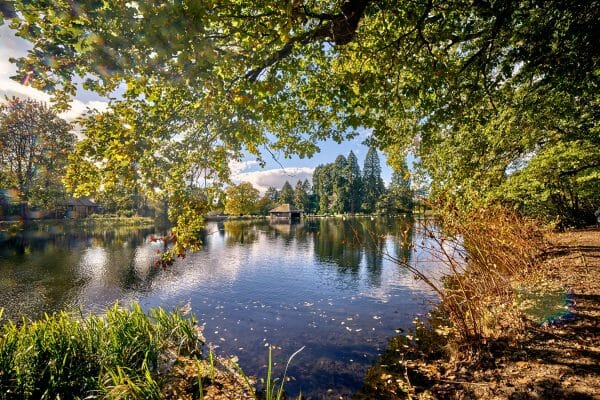
If you’re staying in a hotel in Cardiff city centre, you don’t need a car to access world-class landscaping. Bute Park sits directly behind Cardiff Castle, offering 130 acres of landscaped gardens, an arboretum, and flat river paths along the Taff. A few miles north, Roath Park is a classic Victorian public park with a boating lake, a lighthouse memorial, and a botanic conservatory housing tropical plants and terrapins.
4. West Wales: Botany & Coastal Woodlands
Heading into Carmarthenshire and Pembrokeshire, the climate becomes noticeably milder, allowing for unique botanical projects and deep, overgrown coastal valleys.
| Park / garden | Postcode | Managed by | Adult entry | Dog friendly? |
|---|---|---|---|---|
| National Botanic Garden | SA32 8HN | Independent Trust | £14.50 | Mondays & weekends only |
| Stackpole Estate | SA71 5DQ | National Trust | Free (pay & display) | Yes (watch for cliffs) |
| Penllergare Valley Woods | SA4 9GS | The Penllergare Trust | Free (parking £2.50) | Yes (all areas) |
| Colby Woodland Garden | SA67 8PP | National Trust | £9.00 | Yes (on lead) |
The National Botanic Garden of Wales
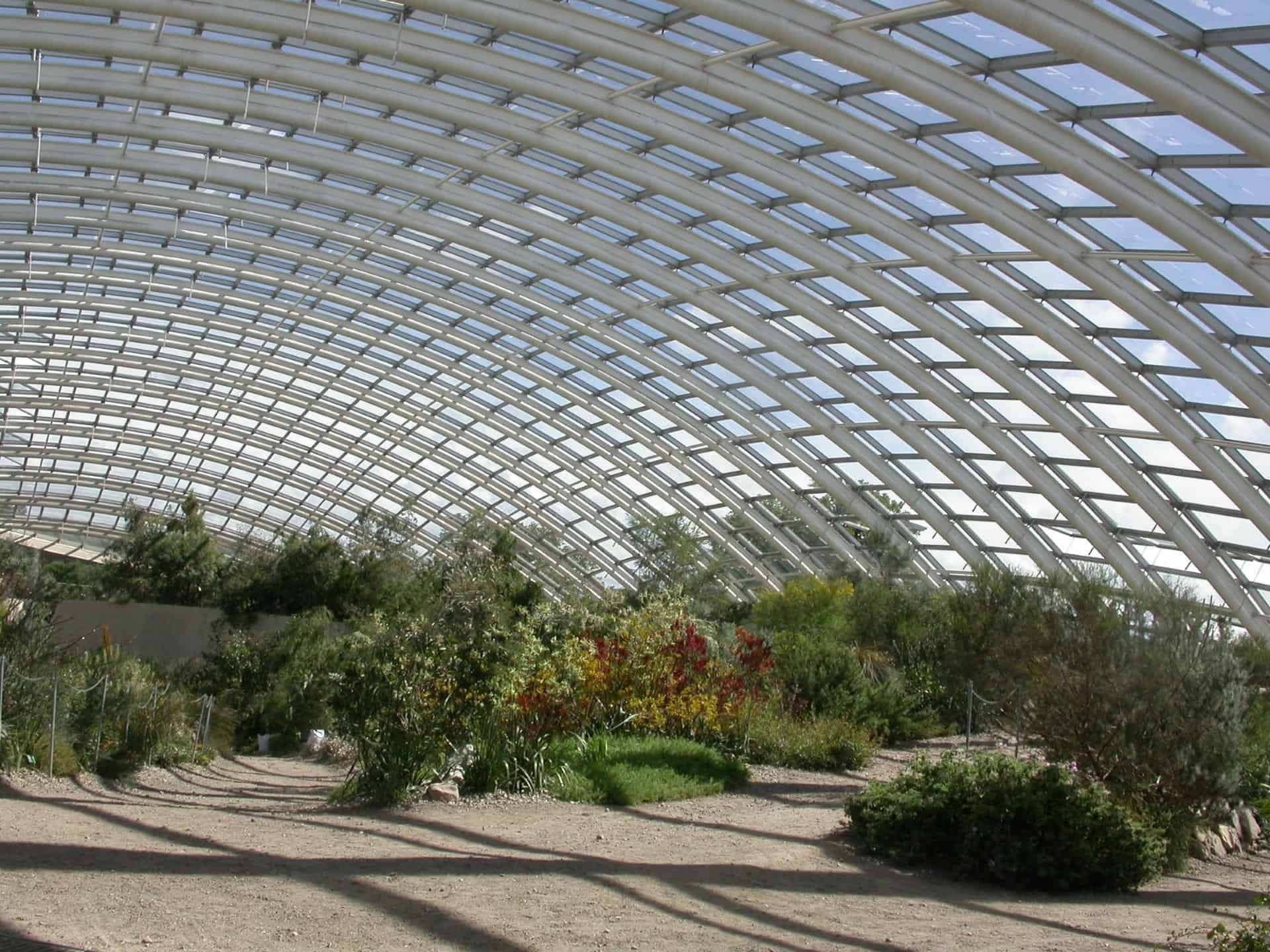
Located in the Tywi Valley, the National Botanic Garden is a modern horticultural marvel. Its centrepiece is the Great Glasshouse, the largest single-span glasshouse on the planet, housing a collection of Mediterranean climate plants from Chile, Western Australia and South Africa. The site spans 568 acres and includes the British Bird of Prey Centre, an apothecary garden, and large lakes. If you’re interested in plant science and conservation, this is the premier destination in Wales.
Penllergare Valley Woods
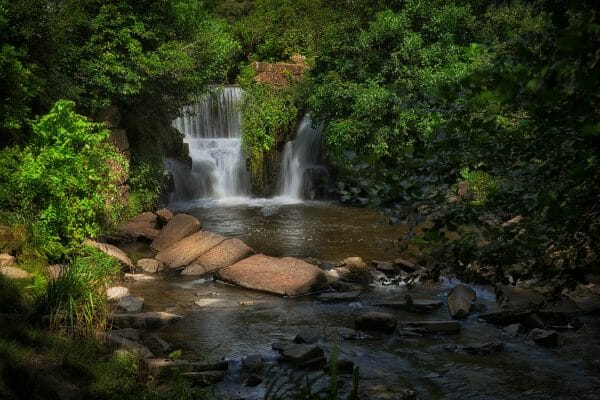
Just outside Swansea, Penllergare is a Victorian valley garden that was almost lost to development before a local trust stepped in to save it. The valley is filled with native woodland, wild orchids in spring, and an engineered waterfall. It has miles of rugged, unpaved tracks, good for an afternoon walk with the dog. A visitor centre and coffee shop sit at the top of the valley.
5. Mid Wales: Hidden Estates & Deep Valleys
Often bypassed by tourists rushing to the coasts, Mid Wales holds several exceptional estates and water parks built during the Victorian era.
Powis Castle & Gardens (Welshpool)
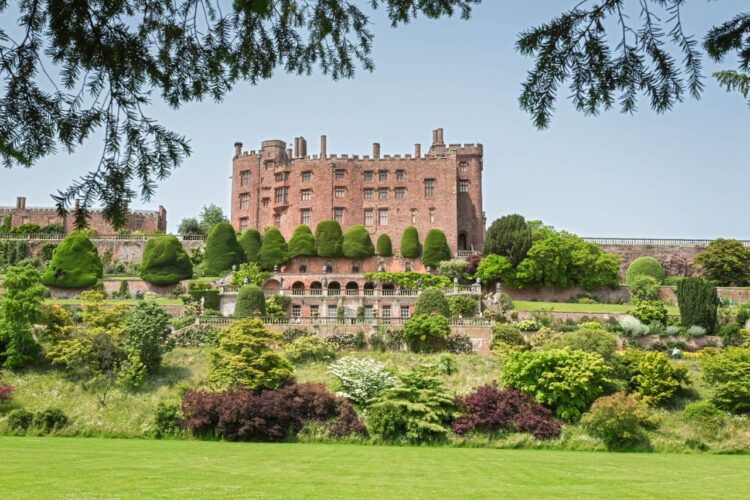
If you enjoy combining history with horticulture, Powis Castle is an essential stop. The garden is renowned for its surviving 17th-century Italianate terraces, heavily planted with rare species and draped with large, ancient yew hedges. Because the garden is carved into a steep bank, the views out over the Severn Valley are exceptional. It’s regularly cited among the top tourist attractions in Welshpool.
Llanover House Garden (Abergavenny)
A rare treat. Llanover House is a privately owned 15-acre garden that opens exclusively on specific days for charity (usually through the National Garden Scheme). It features deep herbaceous borders, a secluded pond, and mature tree avenues, and is worth timing your trip around its opening dates.
6. Trip Planning: Seasons, Secrets & Cafés
Knowing which park to visit is only half the battle. To guarantee a good day out, it helps to understand the seasonal blooming cycles and know where to find the best on-site facilities.
The Seasonal Blooming Calendar
Timing is everything in horticulture. Use this quick guide to align your itinerary with the best seasonal displays:
- February (snowdrops): head to Chirk Castle or Picton Castle to see the woodland floors blanketed in early white snowdrops
- March & April (daffodils): the national flower of Wales. Coed y Bwnydd in Monmouthshire is well regarded for its wild yellow displays
- May (bluebells): the coastal woodlands of Pembrokeshire, particularly around Skomer and Colby Woodland Garden, explode into vibrant blue hues
- June (laburnum): the peak window to see the golden Laburnum Arch at Bodnant Garden
- October (autumn colours): the Acer grove at Bodnant and the deep valley woods of Penllergare offer fiery reds and coppers
Secret & Walled Gardens
Want to escape the peak summer crowds at the major National Trust properties? Seek out Wales’s hidden gems. Aberglasney Gardens in Carmarthenshire is a spectacularly restored Elizabethan cloister garden that feels entirely lost in time. On Anglesey, Plas Cadnant (often called the ‘Lost Gardens’) offers a secluded, cascading valley setting rarely overrun by tourists. For something unique, Dewstow Gardens in the Vale of Glamorgan features a surreal network of underground Victorian grottoes and sunken ferns.
The Tea, Cake & Picnic Guide
A British day out relies heavily on good café facilities. If you want a reliable, high-quality lunch, the National Botanic Garden of Wales has an on-site restaurant serving locally sourced Carmarthenshire produce. For the views, the tea room at Plas Newydd on Anglesey offers outdoor seating looking directly over the Menai Strait towards the Eryri mountains.
If you prefer to bring your own picnic, avoid the coastal parks (where gulls can be a nuisance) and head inland. The flat lawns in front of the Orangery at Margam Country Park, or the quiet, tree-lined lake edges of Gnoll Estate in Neath, make good, peaceful picnic spots.
Wildlife Spotting in the Parks
Many country parks double as protected nature reserves. Margam Park is well known for its free-roaming herds of deer. If you’re birdwatching, the lakes at Roath Park and Bosherston Lily Ponds (on the Stackpole Estate) are teeming with swans, herons and the occasional otter. For a fuller guide to where to find species across the country, see our Wildlife in Wales guide.
Wild Orchids & Native Flora
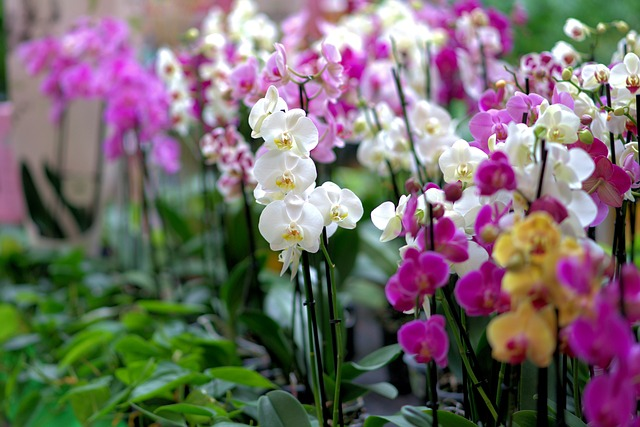
If you prefer landscapes untouched by groundskeepers, Wales has a wide network of protected meadows and nature reserves. During late spring and early summer (May to June), native wild orchids bloom across the country.
To see these displays of native flora (including wild purple and white orchids), head to coastal nature reserves managed by the Wildlife Trust, or explore the unspoiled sand dune systems backing many Welsh beaches.
⛺ Extend Your Outdoor Stay
If you want to spend a long weekend exploring these estates, you need the right base camp:
- Camping in Wales, find pitches right on the edge of the national parks
- Glamping in Wales, enjoy a luxury pod after a long day of walking
- Romantic Breaks, treat your partner to a weekend near the finest formal gardens
- More Days Out, need an indoor backup plan for a rainy day? Read our full itinerary guide
Frequently Asked Questions
Do you have to pay to visit country parks in Wales?
Most council-run country parks in Wales (like Margam, Gnoll Estate and Padarn Country Park) are free to enter, though you’ll almost certainly pay a flat daily rate for the car park (usually between £3 and £7). Privately managed estates and formal gardens (like Bodnant or the Botanic Gardens) require a paid entry ticket per person.
Are Welsh formal gardens dog-friendly?
It varies strictly by location. Large, open country parks generally welcome dogs all year round provided they’re kept under control near livestock. Formal, planted gardens are much stricter, Bodnant Garden, for example, only allows dogs on short leads daily from 1 October to 1 April, outside that window they’re not permitted. Always check the specific estate’s website before loading the dog into the car.
What is the best time of year to visit Bodnant Garden?
While it’s maintained to provide year-round interest (including a Winter Garden), the peak time to visit is late May to early June, when the 55-metre Laburnum Arch is in full golden bloom. This is also their busiest period, so arriving early is worthwhile.
Can you take a pram or wheelchair around Margam Country Park?
Yes, Margam Country Park is highly accessible. The main paths circling the Orangery, the lakes, and leading up to the castle are wide and paved, good for pushchairs and wheelchair users. The outer dirt trails into the deer park are rougher and steeper.
Which is the biggest country park in Wales?
Margam Country Park is one of the largest single enclosed estates, covering roughly 1,000 acres of parkland, lakes and forestry. If you include the wider unmanaged national parks, Eryri (Snowdonia) covers around 823 square miles.
Do National Trust members get free entry in Wales?
Yes. A valid UK National Trust membership gives free entry to all National Trust properties across Wales, including Bodnant Garden, Tredegar House, Plas Newydd and Powis Castle. You simply scan your card at reception, as you would in England or Scotland.

Pembrokeshire-born travel writer and founder of Wales.org. Born in Haverfordwest, now based in Hertfordshire — covering Welsh castles, national parks, festivals and family staycations across all 22 Welsh counties.