
Camping and Glamping in Wales 2027: The Complete Guide to Pitching Across Every Region

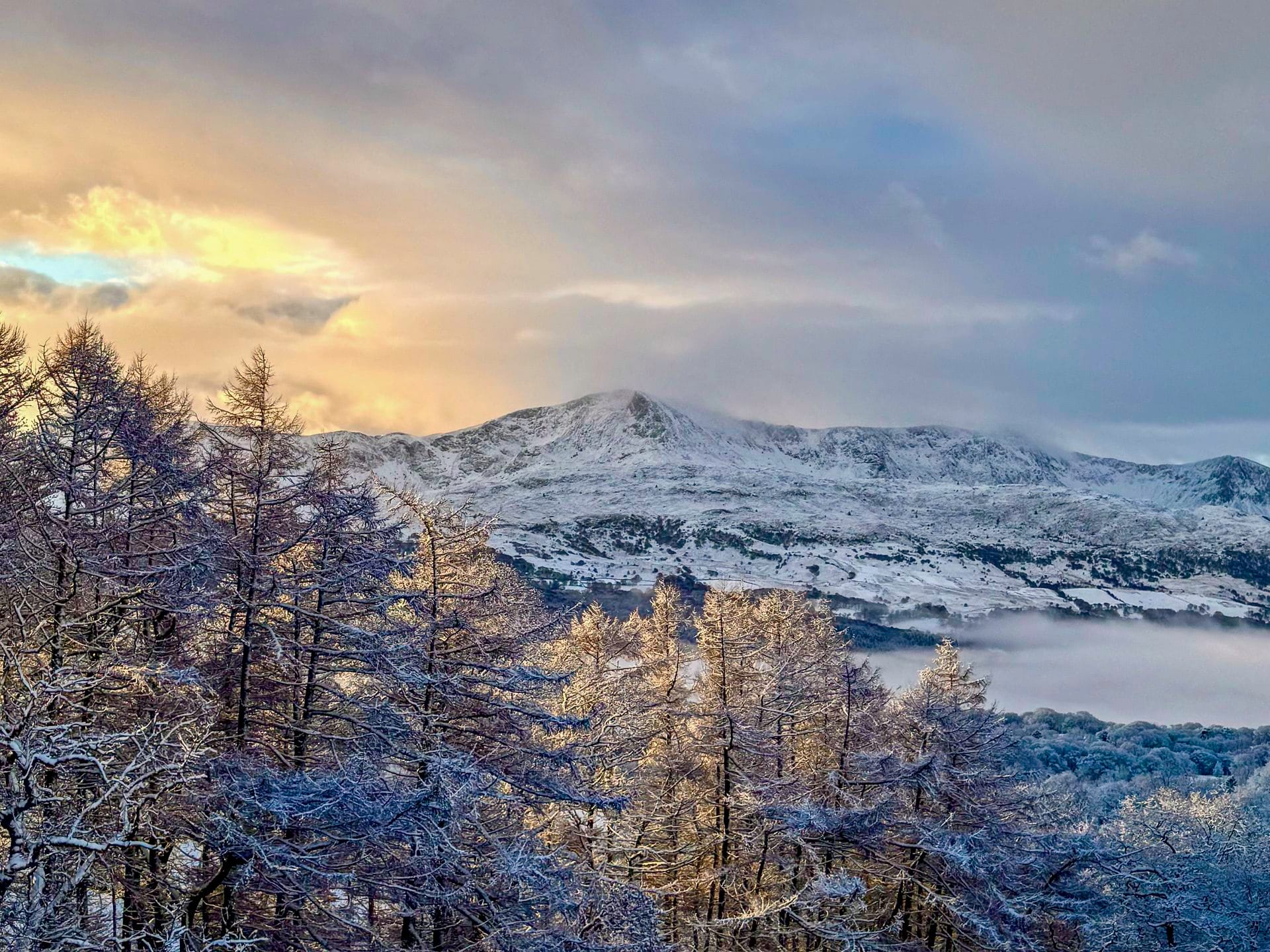
Wales is one of the finest camping and glamping destinations in Britain. Three national parks, 1,200 miles of coastline and mountain terrain across North and Mid Wales give it more natural camping variety than almost anywhere else in the country.
From fully-serviced family holiday parks beside Blue Flag beaches to remote mountain farm fields with nothing but a view of Yr Wyddfa (Snowdon), this guide covers every type of camping and glamping in Wales for 2027, with recommended sites, honest pricing and the rules you actually need to know.
Camping in Wales: What You Need to Know for 2027
Unlike Scotland, wild camping on unenclosed land without landowner permission is not a legal right in Wales.
Wild camping remains informally tolerated above roughly 450 metres on open mountain land in Eryri (Snowdonia) and on open ridgelines in the Brecon Beacons, provided strict Leave No Trace principles are followed. It is explicitly not tolerated in the Pembrokeshire Coast National Park. For specific locations, see our wild camping spots guide.
Camping season: Most sites open Easter (late March/early April) through late October. A growing number of year-round sites operate across all regions, particularly hardstanding pitches in South and West Wales. Always check individual site opening dates before travelling in the shoulder seasons.
Campervan and motorhome camping: Wales has an excellent network of motorhome-friendly sites with electrical hookups (EHU) and Elsan chemical disposal points. The Camping and Caravanning Club and Caravan and Motorhome Club both have extensive Welsh networks.
For finding smaller, independent farm sites, Pitchup.com, Campsites.co.uk and HipCamp.com are the most useful booking platforms.

Best Campsites in North Wales: Eryri and Anglesey
North Wales is the most popular camping region in Wales. Eryri (Snowdonia) National Park and the beaches of Anglesey drive the highest demand. Sites near Llanberis, Betws-y-Coed and Beddgelert book out months ahead in summer.
- Gwern Gof Isaf, Capel Curig (LL24 0ET): The most celebrated mountain campsite in Eryri. A basic farm field at the foot of Tryfan and the Glyder Ridge, toilet block, no electric hook-ups, no shop, used by mountaineers for generations. From approx. £10 per person/night.
- Snowdon Ranger YHA & Campsite, Rhyd Ddu (LL54 7YS): On the banks of Llyn Cwellyn at the start of the Snowdon Ranger Path, one of the quietest routes to the summit of Yr Wyddfa. Campers get access to the YHA hostel’s hot showers and drying room. From approx. £12 per person/night.
- Tŷ Hen, Aberffraw, Anglesey (LL63 5TQ): A dog-friendly farm campsite near Aberffraw beach on the southwest Anglesey coast, with modern facilities and a quiet location. From approx. £20 per pitch/night.
For our full detailed guide to the six best sites in Eryri, see best campsites in Snowdonia (Eryri), and for campervans specifically, our best campervan sites in Snowdonia. For Anglesey-specific destination information, see our Anglesey guide.

Best Campsites in West Wales and Pembrokeshire
Pembrokeshire has the highest concentration of coastal campsites in Wales, many sitting directly on the Pembrokeshire Coast Path. Peak season prices here are the highest in Wales, expect £25–£45 per pitch per night at well-positioned coastal sites in July and August.
- Caerfai Bay Farm Campsite, Tyddewi/St Davids (SA62 6QS): The finest cliff-top farm campsite in Pembrokeshire, directly above Caerfai Bay with views across St Brides Bay. Books out entirely for July and August, aim for May or September. From approx. £30 per pitch/night.
- Gupton Farm Campsite, Freshwater West (SA71 5HW): The National Trust’s real Pembrokeshire campsite in this corner of the coast, up to 50 pitches behind Freshwater West, Wales’s most consistent surfing beach, with a bunkhouse and farmhouse also on site. A structured campsite rather than wild camping, National Trust membership is needed for some rates. From approx. £10 per pitch, check nationaltrust.org.uk for current pricing.
For full detail on 17 coastal campsites across Wales, see campsites near beaches in Wales, or for Tenby specifically, our coastal campsites around Tenby. For the full destination guide, see our Pembrokeshire guide.
Best Campsites in South Wales: Gower and the Brecon Beacons
The Gower Peninsula has the most competitive campsite market in South Wales, July and August pitches near Rhossili Bay fill months in advance. The Bannau Brycheiniog (Brecon Beacons) offers better availability at lower prices, making it the better choice for last-minute trips and dark sky ridge walking.
- Pitton Cross Caravan & Camping Park, Rhossili (SA3 1PH): The best-positioned campsite for Rhossili Bay, a 10-minute walk from one of the finest beaches in Britain, with an on-site shop and good facilities. From approx. £30 per pitch/night.
- Pencelli Castle Caravan & Camping Park, Brecon (LD3 7LX): A multi-award-winning site in converted castle grounds, with canal access, cycle routes and a pub nearby. From approx. £22 per pitch/night.
For more on South Wales, see our Swansea Bay & Gower guide, our Bannau Brycheiniog guide, and our wider coastal campsites in Wales round-up.

Caravan and Campervan Sites
If you’re touring rather than pitching a tent, Wales has a strong dedicated caravan and campervan network. See our guides to the best caravan sites in Wales, touring caravan parks around Tenby, and camping specifically in the Wye Valley if you’re approaching from the English border.
Glamping in Wales 2027: Pods, Yurts, Treehouses and Bell Tents
Glamping in Wales has grown dramatically. The country now has one of the most diverse luxury camping offerings in Britain, from wooden eco-pods with hot tubs to canvas yurts on working farms, treehouses in ancient woodland and clifftop shepherd’s huts. See our full breakdown of the different types of glamping in Wales if you’re not sure which style suits you.
What does glamping in Wales typically cost? Prices vary enormously by type and season.
- Basic wooden pods (no en-suite): £60–£80 per night
- Fully-equipped pods (kitchen/bathroom/hot tub): £120–£250 per night
- Luxury treehouses and safari tents: £180–£400+ per night
Most glamping sites require a minimum 2-night stay, and peak summer dates book out 3–6 months in advance.
- Eryri (Snowdonia): best for dramatic mountain backdrops
- Pembrokeshire: best for coastal bell tents and beach access
- Brecon Beacons: best for dark sky stargazing (International Dark Sky Reserve)
- Gower Peninsula: best for luxury farm stays near world-class surf breaks
Top glamping booking platforms for Wales: Canopy & Stars for curated, independent luxury properties, Pitchup for farm-based pods and yurts, and Glamping Hub for unique builds.
Hot Tub Glamping in Wales 2027
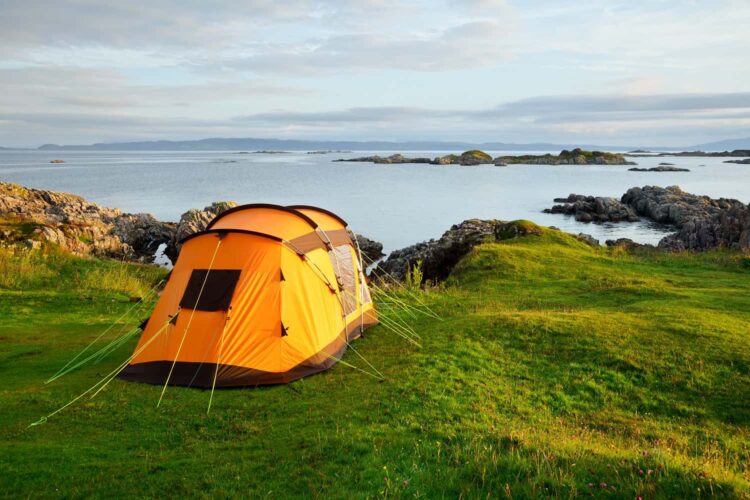
Hot tub glamping is one of the fastest-growing accommodation categories in Wales. Wood-fired outdoor tubs on remote farms and mountain sites have become a signature Welsh experience, perfect for romantic breaks and unwinding after a long hike.
Expect to pay a premium for hot tub access, typically £150–£300 per night depending on season and cabin type. The most popular sites book out 3–4 months ahead for summer, Valentine’s Day and Christmas/New Year.
For our dedicated guide to the best options, see hot tub cottages and glamping.
Camping with Dogs in Wales 2027
Wales is one of the most dog-friendly camping destinations in Britain. The majority of campsites accept dogs, typically charging a small supplement of £1–£3 per dog, per night. The best dog-friendly camping regions are Pembrokeshire, Anglesey and the Gower.
Key dog camping tips for Wales: Always check the site’s specific pet policy before booking, some strictly limit owners to two dogs per pitch or restrict certain breeds. Many popular Pembrokeshire beaches also operate seasonal dog bans from 1 May to 30 September, so check local beach maps to ensure your chosen campsite has year-round beach access for your dog.
For a complete guide, see Pembrokeshire’s dog-friendly beaches guide.

The 2027 Visitor Levy
From April 2027, Welsh councils that adopt the visitor levy can charge £1.30 per person per night on most accommodation, but just 75p per person per night for campsites and hostels specifically, roughly half the standard rate. It’s charged on top of your pitch or site fee. Not every council has adopted it, so check with your site directly for your dates (Welsh Government guidance).
Frequently Asked Questions: Camping & Glamping
Is wild camping legal in Wales?
Wild camping is not currently a legal right in Wales and technically requires landowner permission. It is informally tolerated on open mountain land above roughly 450 metres in Eryri (Snowdonia) and on open ridgelines in the Brecon Beacons, provided Leave No Trace principles are strictly followed, but is not tolerated in the Pembrokeshire Coast National Park. There is ongoing campaigning for Scottish-style access rights in Wales; check senedd.wales for the current legislative position.
When is the best time to go camping in Wales?
Late May, June and September are the best months. Daylight hours are long, the weather is generally drier, and campsite availability is significantly better than in July and August. Peak summer months are the warmest but see huge demand, especially for coastal sites in Pembrokeshire and Anglesey.
What is the best glamping in Wales?
It depends on your preference. For mountain atmosphere, book a hot tub pod below Yr Wyddfa in Eryri. For coastal views, try a cliff-top bell tent in Pembrokeshire. For stargazing, opt for a yurt in the Brecon Beacons Dark Sky Reserve.
How much does camping in Wales cost?
Prices range from £10 per person per night on basic mountain farm sites to £45+ per pitch per night at premium coastal sites in peak season. The average for a well-equipped family campsite is £25–£35 per pitch per night. Electric hook-ups typically add £5–£8 per night.
Do I need to book campsites in Wales in advance?
Yes. For July and August, the best campsites in Wales book out months in advance. Top coastal sites and popular Snowdonia mountain sites are typically full by April. Booking 3–6 months ahead is strongly advisable for summer dates.
Will the 2027 visitor levy apply to campsites?
Yes, but at the lower rate: 75p per person per night rather than the standard £1.30, in councils that adopt the levy from April 2027. It’s charged on top of your pitch fee.