

Guide to Welsh Food: Traditional and Modern Cuisine
Welsh Food Guide 2026: Traditional Dishes, Local Ingredients and the Best Food Experiences in Wales
Welsh food is built on specific regional ingredients — salt marsh lamb from the Gower, crab and lobster from Cardigan Bay, laverbread from the coastline, and cawl from every farmhouse kitchen in the country.
This guide covers the essential Welsh dishes you need to know, the best local produce to seek out, and the food markets and experiences worth building into your visit in 2026.
Traditional Welsh Dishes: The Essential List
Cawl — Wales’s national dish. A slow-cooked broth of lamb or beef with leeks, carrots and swede. Every Welsh family has its own version. Traditionally eaten with a chunk of crusty bread and a piece of Caerphilly cheese on the side. The lamb cawl version using Welsh mountain lamb is the most common. See our cawl recipe to make it at home.
Welsh Rarebit (Caws Pobi) — Melted cheese sauce on toast — but the Welsh version is specifically made with Welsh ale, mustard, Worcestershire sauce and Caerphilly or a strong Cheddar. Not simply cheese on toast. A proper Welsh rarebit is a distinct dish. Available in most Welsh pubs and cafes.
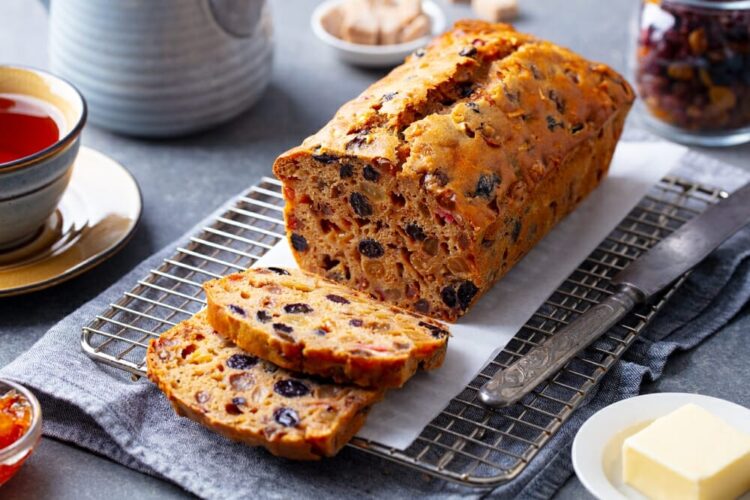
Bara Brith — Speckled bread — a rich fruit loaf made with strong tea, dried fruit and mixed spice. Eaten cold and sliced with butter. Every Welsh bakery makes its own version. The Anglesey and North Wales versions tend to be darker and more heavily spiced than south Welsh versions.
Laverbread (Bara Lawr) — Processed seaweed from Welsh coastal rocks — cooked down to a dark, intensely flavoured paste. Eaten traditionally with bacon and cockles for a Welsh breakfast. Dylan Thomas called it “Welsh caviar.” Acquired taste for some visitors, beloved by the Welsh. Available in Cardiff Market and Swansea Market in its raw form.
Welsh Cakes (Picau ar y Maen) — Small, flat griddle cakes made with flour, butter, eggs, currants and spice. Cooked on a bakestone (maen) — a flat cast-iron griddle. Best eaten warm, straight from the bakestone with a dusting of caster sugar. Available at every Welsh market. The Rhondda Valley is considered to produce the best Welsh cakes in Wales — this is a point of active local pride.
Glamorgan Sausages (Selsig Morgannwg) — A vegetarian sausage made from Caerphilly cheese, leeks and breadcrumbs. Named after the old county of Glamorgan. No meat. Available in many Welsh pubs and restaurants as a starter or main.
Cockles and Laverbread — The classic Welsh coastal breakfast combination. Cockles are harvested from Gower’s Penclawdd estuary — the only cockle fishery of scale left in Wales. Sold in nets from market stalls throughout South Wales. Cooked briefly in a pan with butter and laverbread, served alongside bacon and eggs.
Best Welsh Ingredients to Try in 2026: What Wales Does Better Than Anywhere Else
Welsh Mountain Lamb. Welsh mountain sheep graze rough upland pasture at altitude — the diet produces leaner, more flavourful meat than lowland-grazed lamb. Welsh lamb has Protected Geographical Indication (PGI) status in the UK. The season runs approximately April to December. Off-season lamb sold in Welsh markets is often from the previous year’s crop, frozen and thawed — ask when buying.
Gower Salt Marsh Lamb. Sheep grazed on the Gower Peninsula salt marshes — covered by seawater twice daily. The grass is iodine and mineral-rich, giving the meat a distinctive salty, complex flavour. Limited availability — ask specifically at Swansea Market or in Gower restaurants.
Pembrokeshire Early Potatoes. The first new potatoes of the mainland UK season — harvested from May. Grown in the mild south-facing fields of Pembrokeshire, often warmed by polytunnels through late April. Distinctive thin skin, nutty flavour. Available in Pembrokeshire farm shops from May onwards.
Welsh Beef. Welsh cattle — predominantly Black and Aberdeen Angus crosses — graze extensively on Welsh hill pasture. Welsh Beef has PGI status alongside Welsh Lamb. Several Welsh farms now produce Wagyu crossbreeds — Rhug Estate in Denbighshire is the most prominent organic beef operation in Wales. Wagyu cross beef from Wales appears on multiple Michelin-level menus.
Leeks (Cennin). The national vegetable of Wales — celebrated every St David’s Day (1 March). Mild, sweet flavour compared to onions. Welsh leeks are larger and milder than supermarket leeks from outside Wales. Used in cawl, soups, tarts and as a side vegetable throughout Wales.
Honey. Welsh heather honey from upland areas — particularly Eryri and the Cambrian Mountains — has a stronger, more complex flavour than lowland flower honey. Several North and Mid Wales farms sell directly. The Wye Valley also produces distinctive apple blossom honey in early summer.
Looking to cook these at home? Check out our favorite traditional Welsh food recipes
Welsh Seafood and Coastal Food 2026: What to Eat on the Welsh Coast
Wales has 1,680 miles of coastline and its own fishing fleet — though significantly smaller than it was 50 years ago. The seafood available on the Welsh coast is some of the best-sourced in the UK, simply because the fishing distances are short and the markets are local.
Cardigan Bay Lobster and Crab. Brown crab and European lobster from Cardigan Bay are among the cleanest and least over-fished in the UK. The bay has a bottlenose dolphin population that feeds on the same fish stocks — an indicator of a functioning ecosystem. Crab is available year-round; lobster peaks May to October. Eat at harbour restaurants in Aberaeron, New Quay and Cardigan for the freshest options.
Penclawdd Cockles. Harvested from the Loughor Estuary on the Gower Peninsula — the last significant cockle fishery in Wales. Cockle women from Penclawdd traditionally carried cockles in baskets on horseback to Swansea Market. Still sold live from Swansea Market stalls today. Approximately £2–£4 per net bag.
Welsh Sea Trout (Sewin). Sea trout — called sewin in Welsh — run the rivers of West and North Wales from May to October. Considered one of the finest eating fish in Wales. Only available in season at Welsh fish restaurants. The Teifi, Tywi, Mawddach and Conwy rivers all support significant sea trout populations.
Freshwater Crayfish. American signal crayfish have colonised Welsh rivers — an invasive species. Several Welsh restaurants now serve them — eating signal crayfish is actively encouraged as a conservation measure. They taste good and their removal from rivers benefits native species. Ask at riverside restaurants in the Wye Valley and Usk Valley.
Welsh Cheese 2026: Caerphilly, Black Bomber and the Modern Welsh Cheesemakers
Caerphilly. The original Welsh cheese — a hard, crumbly, slightly sour fresh cheese from the limestone valley town of Caerphilly. Originally made for the miners of the South Wales Coalfield — high in salt and calcium to replace what was lost in physical labour. The traditional Caerphilly is now made by a handful of Welsh and English dairies. True farmhouse Caerphilly from Welsh farms is harder to find than the supermarket version — worth seeking out at Welsh markets.
Snowdonia Cheese Company. Based at Rhyd y Croesau near Oswestry, bordering North Wales. Produces Black Bomber (extra mature Cheddar wrapped in black wax) — one of the best-selling Welsh specialty cheeses in the UK. Also produces Red Storm, Harlech and other wax-wrapped aged Cheddars. Available in most Welsh farm shops and food halls.
Hufenfa De Arfon (South Caernarfon Creameries). Near Rhydygwystl, LL53 6TH — A farmer-owned dairy cooperative in Gwynedd producing the Harlech Cheddar range. One of the largest dairy operations in North Wales. Visitor centre and shop on site.
White Rabbit Cheese Co. Welsh artisan cheesemaker producing soft, washed-rind and semi-hard cheeses. Available at Wrexham and several North Wales farmers markets. One of the newer Welsh cheesemakers worth watching.
Find Welsh cheeses at: Cardiff Market, Swansea Market, Machynlleth market, Abergavenny Food Festival (September) and most Welsh farm shops. Blas ar Fwyd in Llanrwst (LL26 0LG) has the best artisan Welsh cheese selection in North Wales.
Welsh Food Markets and Food Festivals 2026
Cardiff Market (Marchnad Caerdydd), Cardiff — CF10 1AU — Indoor Victorian market in the city centre. Fresh fish, laverbread, cockles, Welsh cakes, Caerphilly cheese and Welsh butchers all under one roof. Open Monday to Saturday. One of the best places to buy traditional Welsh food in the country.
Swansea Market (Marchnad Abertawe), Swansea — SA1 3PD — The largest indoor market in Wales. The cockle stalls are the most famous section — fresh Penclawdd cockles sold directly. Welsh cakes, laverbread, local butchers, fishmongers. Open Monday to Saturday.
Abergavenny Food Festival, Monmouthshire. Held annually in September — the most significant food event in Wales, often cited as the Welsh equivalent of the Ludlow Food Festival. Chef demonstrations, Welsh produce market, street food, tutored tastings. Abergavenny town centre, approximately 15 miles from the English border. Check abergavennyfoodfestival.com for 2026 dates.
Aberystwyth Farmers Market, Ceredigion. Every first and third Saturday of the month on the seafront. Local cheeses, organic vegetables, game, seafood and baked goods from Ceredigion and mid-Wales farms. Aberystwyth is UNESCO City of Literature 2026 — the market runs alongside year-round literary events.
Machynlleth Wednesday Market, Powys — SY20 8AA — A centuries-old weekly market in the ancient capital of Wales. Local produce, crafts, organic food stalls. Good stop when visiting the nearby Centre for Alternative Technology (CAT). Open Wednesdays.
Rhayader Farmers Market, Powys. Monthly market in one of mid-Wales’s market towns. Local Cambrian Mountain lamb and beef, artisan bakery, honey. Check local tourism boards for current dates.
Welsh Drinks 2026: Beer, Gin, Whisky and Mead
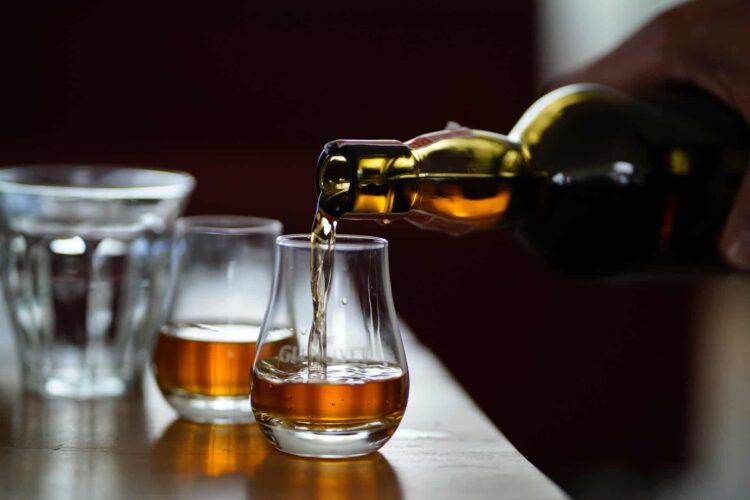
Welsh Whisky. Penderyn Distillery near Hirwaun in the Cynon Valley produces the most prominent Welsh single malt whisky — the first Welsh whisky distillery in over a century when it opened in 2000. The distillery is at CF44 9JY and is open for tours and tastings (approximately £15–£25). Penderyn produces several expressions — the Madeira wood finish is the most widely available. A second Welsh whisky distillery, Aber Falls in Abergwyngregyn (LL33 0LP) opened in 2018 and produces a North Wales malt and a range of gins.
Welsh Craft Beer. Wales has over 100 craft breweries as of 2026. Tiny Rebel Brewery in Newport (nationally distributed, known for Cwtch red ale and Clwb Tropicana) is the largest Welsh craft brand. Craft Union Brew Co in Cardiff, Bluestone Brewing in Pembrokeshire (SA65 9QD) and Conwy Brewery in Llandudno Junction (LL31 9AJ) are among the most visited. Most welcome walk-in taproom visitors.
Welsh Gin. Welsh gin production has grown rapidly since 2018. Dyfi Distillery in Aberdyfi (SY20 8SS) produces Pollination Gin — made with foraged botanicals from the Dyfi UNESCO Biosphere Reserve. Da Mhile in Llandysul (SA44 5JG) produces organic gins and spirits from Welsh botanicals. Hensol Castle Distillery near Cardiff (CF72 8JT) is one of the largest Welsh spirits operations and offers tours.
Welsh Mead. Honey-based mead has been made in Wales since at least the 6th century — referenced in the Welsh poem Y Gododdin. Several Welsh producers make modern mead — Welsh Hills Mead in Bridgend is the most commercially available. Found in Welsh farm shops and food festivals.
Welsh Cider. Herefordshire gets the cider attention, but the Welsh borders — particularly around Monmouthshire — have a long apple growing tradition. Ty Gwyn Cider in Monmouthshire produces farmhouse ciders from old Welsh apple varieties. Available at the Abergavenny Food Festival and local farm shops.
Welsh Food Experiences to Book in 2026: Foraging, Cookery and Farm Visits
Foraging walks. Guided foraging experiences operate across Eryri, the Wye Valley and the Pembrokeshire Coast. Participants collect coastal plants, mushrooms, hedgerow berries and seaweed with an experienced guide. Several operators then cook the foraged ingredients together — seaweed pakoras, elderflower cordial, mushroom dishes. Approximately £40–£80/person. Search “foraging Wales” on Viator or GetYourGuide.
Cookery courses. Several Welsh country house hotels and farm operations offer day cookery classes. Courses using Welsh lamb, seasonal vegetables and local seafood are the most common. Welsh Rarebits hotel group and several Pembrokeshire and Ceredigion farmhouse operators run these seasonally.
Distillery tours. Penderyn Whisky (Hirwaun), Aber Falls (North Wales), Dyfi Distillery (Aberdyfi) and Hensol Castle (near Cardiff) all offer guided production tours with tastings. Book ahead — tour places limited. Approximately £15–£30/person. A whisky and gin distillery tour day is a practical activity for a rainy Welsh day.
Farm shop visits. Rhug Estate (LL21 0EH) near Corwen in Denbighshire is Wales’s largest certified organic farm with an excellent farm shop and café. Blas ar Fwyd in Llanrwst (LL26 0LG) is the best artisan Welsh food shop in North Wales. Ultracomida in Aberystwyth (SY23 2AQ) is the best artisan food shop in mid-Wales.
Where to Eat Welsh Food by Region 2026
Cardiff (Caerdydd). The capital has Wales’s most diverse restaurant scene. Traditional Welsh food at Cardiff Market. Modern Welsh fine dining at Heaney’s and Asador 44. See our Cardiff destination guide for full restaurant recommendations.
Swansea (Abertawe). Swansea Market for cockles, laverbread and Welsh cakes — one of the best food market experiences in Wales. See our Swansea Bay and Gower guide.
Abergavenny and the Wye Valley. The food capital of Wales — home to the Abergavenny Food Festival, The Walnut Tree (Michelin-starred) and The Whitebrook (Michelin Bib Gourmand). The town’s independent food shops and deli are worth an afternoon. See our Bannau Brycheiniog guide.
Aberaeron and the Ceredigion Coast. Cardigan Bay seafood at The Harbourmaster. Ulracomida artisan produce in Aberystwyth. Fishing village restaurants in New Quay. See our Ceredigion destination guide.
Pembrokeshire. Fresh lobster and crab throughout the summer. Llys Meddyg in Newport, Cwtch in St Davids. See our Pembrokeshire destination guide.
North Wales. Sosban (Michelin-starred) on Anglesey. Blas ar Fwyd deli in Llanrwst. Tŷ Coch Inn on the Llŷn Peninsula beach. See our Eryri guide and Anglesey guide.
For the complete fine dining picture see our Michelin Restaurants in Wales guide.
Frequently Asked Questions: Welsh Food
What is the national dish of Wales?
Cawl is the national dish of Wales — a slow-cooked broth of lamb, leeks and root vegetables. It’s been made in Welsh kitchens for centuries, though the exact recipe varies by region and family. Welsh rarebit and laverbread with cockles are the other dishes most closely associated with Welsh food identity. See our authentic cawl recipe to make it at home.
What is laverbread and what does it taste like?
Laverbread (bara lawr) is cooked-down seaweed — specifically Porphyra umbilicalis collected from Welsh coastal rocks. It’s processed into a dark green-black paste with an intensely savoury, mineral, oceanic flavour. It tastes nothing like bread — the name comes from the Welsh word for bread (bara) used loosely. Eaten hot with bacon and cockles at a Welsh breakfast, or spread on toast. Available at Cardiff Market, Swansea Market and most Welsh farm shops near the coast.
Where can I try traditional Welsh food?
Cardiff Market and Swansea Market are the most accessible places for traditional Welsh food — laverbread, cockles, Welsh cakes, Caerphilly cheese and Welsh lamb at butcher stalls. Most Welsh pubs serve Welsh rarebit and cawl. The best concentrated Welsh food experience outside a market is the Abergavenny Food Festival in September. Welsh farm shops throughout Wales sell produce directly.
Does Wales have good food?
Yes — Wales has exceptional raw ingredients and a growing number of restaurants using them at the highest level. Ynyshir in Ceredigion holds two Michelin stars. Welsh lamb, Gower salt marsh lamb, Pembrokeshire crab, Cardigan Bay lobster and Welsh Wagyu beef are sought-after ingredients in restaurants far beyond Wales. The traditional food culture around cawl, Welsh cakes and laverbread remains genuinely alive in Welsh markets and homes — not a tourist reconstruction.
What Welsh food can I take home as a gift?
Welsh cakes (keep 3–5 days), Caerphilly cheese, Snowdonia Black Bomber wax-wrapped cheese (travels well, keeps weeks), Welsh honey, Penderyn whisky miniatures, Welsh salt from the Halen Môn Sea Salt company on Anglesey, laverbread in a sealed tub (refrigerated), and Welsh bara brith (fruit loaf) from any Welsh bakery. All available at Cardiff Market, Swansea Market or Welsh farm shops.
Explore more Welsh food and drink

Nick, your trusted guide to Wales travel and exploration, shares a deep passion for this enchanting land. With years of exploration, Nick offers expert insights into the best of Wales. Join him on a journey through its captivating history, culture, and hidden gems, as he inspires you to create unforgettable Welsh travel experiences.
Planning a trip to Wales?
Find the perfect holiday cottage for your Welsh adventure.