


Welsh Food and Drink 2026: A Complete Guide to Eating and Drinking in Wales
Welsh food has a clear and distinctive identity built on lamb, leeks, Caerphilly cheese, seafood and oats.
This guide covers everything you need to know about eating and drinking in Wales in 2026 — from the traditional dishes you should try to the Michelin-starred restaurants, Welsh markets, local drinks, and where to eat in each region.
Traditional Welsh Dishes: What to Eat in Wales
Welsh food tradition is rooted in a small number of excellent ingredients — lamb raised on mountain pasture, leeks grown in rich coastal soil, cockles from the Gower, and oats and dairy from Welsh farms.
Cawl is the national dish — a slow-cooked lamb and leek broth first recorded in 1390. It is still served across Wales in pubs, at weddings, at eisteddfodau and in farmhouse kitchens. The traditional method serves the broth first with Caerphilly cheese, then the meat and vegetables as a second course. See our dedicated cawl recipe guide for the full history and method.
Welsh Rarebit is a hot cheese sauce — made with Welsh ale, mustard and Caerphilly or mature Cheddar — grilled over thick toast. It is not cheese on toast. The sauce is cooked separately and the flavour is significantly different from the shortcut version.
Welsh Cakes are small, flat, spiced scones cooked on a bakestone rather than in the oven — one of the few baked goods in British food that requires no oven. They are sold fresh daily in Cardiff Market at CF10 1AU and at markets across Wales.
Laverbread is a Welsh seaweed product — laver seaweed boiled for hours and puréed into a smooth, intensely savoury paste. It is fried with oatmeal and served with cockles and bacon as part of a Welsh breakfast. Cockles for laverbread come principally from Penclawdd on the Gower Peninsula.
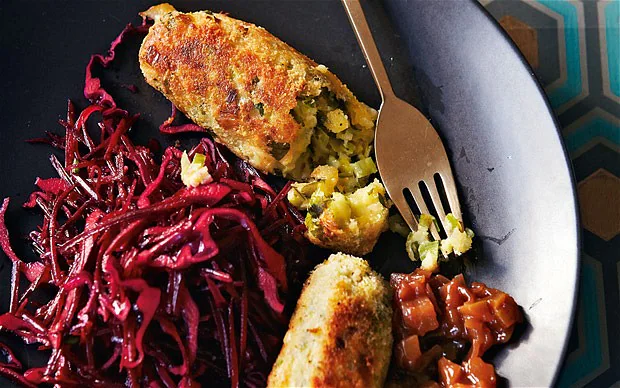
Glamorgan Sausages are vegetarian sausages made from Caerphilly cheese, leeks and breadcrumbs — one of the oldest vegetarian dishes in British food, recorded in the Vale of Glamorgan since the 1820s.
Bara Brith is a dense fruit loaf made with dried fruit soaked overnight in cold tea. It is sliced thick and eaten with salted Welsh butter.
For step-by-step recipes for all of these dishes, see our Welsh Recipes guide.
Welsh Produce: Lamb, Cheese, Seafood and More
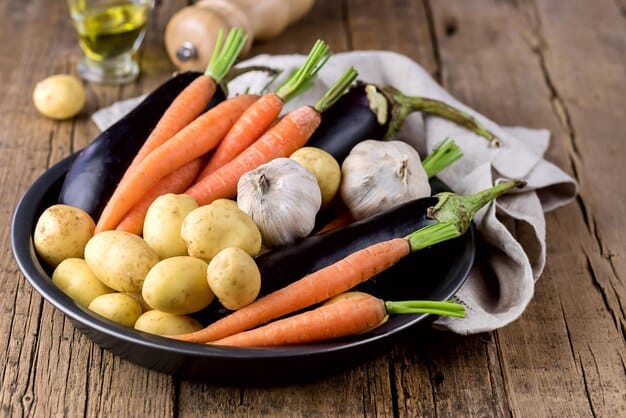
Wales produces a number of ingredients that carry formal protected status or are nationally recognised for quality.
Welsh Lamb (PGI): Welsh lamb carries Protected Geographical Indication status — only lamb raised in Wales can carry the name. The distinctive flavour comes from the wild herbs and grasses — particularly thyme, heather and fescue — that sheep graze on across the upland pastures of Eryri (Snowdonia), Bannau Brycheiniog (Brecon Beacons) and the Cambrian Mountains. Welsh lamb is available in most UK supermarkets. Look for the red dragon PGI label.
Welsh Beef (PGI): Like Welsh Lamb, Welsh Beef also holds PGI status. The Welsh Black is the native cattle breed — a hardy, slow-growing animal that produces well-marbled, flavourful beef.
Caerphilly Cheese: Wales’s most famous cheese — a crumbly, mild, slightly acidic white cheese originally made in and around Caerphilly in South Wales. Traditional Caerphilly is still made by a small number of artisan producers. The most widely available version is Denhay Farm’s Caerphilly, sold in most supermarkets.
Gower Salt Marsh Lamb: Lamb raised on the salt marshes of the Gower Peninsula has a particularly distinctive flavour — the animals graze on samphire, sea lavender and other salt marsh plants, which influences the flavour of the meat. It is available direct from Gower farms and at Swansea Market, SA1 3PF.
Penclawdd Cockles: The cockle beds of Penclawdd on the north Gower coast have been harvested commercially since the 1800s. Fresh Penclawdd cockles are sold at Swansea Market and at markets across South Wales.
Welsh Leeks: The leek is the national vegetable of Wales — grown commercially in the Vale of Glamorgan, Pembrokeshire and along the coastal lowlands. Welsh leeks are broadly available in supermarkets from September to April.
Perl Wen and Perl Fach: Two soft Welsh cheeses made by Caws Cenarth in Ceredigion — a brie-style round and a smaller version of the same. Caws Cenarth has been making artisan Welsh cheese at their farm near Ffostrasol, SA44 5ET, since 1987. Their cheeses are stocked in Waitrose and independent delis across the UK.
Michelin Restaurants in Wales 2026
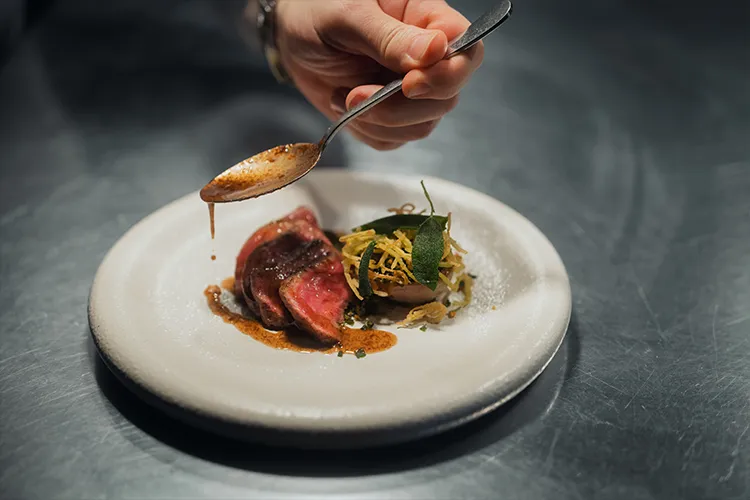
Wales boasts seven Michelin-starred restaurants in the 2026 guide, alongside multiple Bib Gourmand listings — a significant increase from just a decade ago, showcasing the rapid evolution of the Welsh fine-dining scene.
The seven starred restaurants are: Sosban and the Old Butcher’s (Menai Bridge, Anglesey), The Whitebrook (Whitebrook, Monmouthshire), The Walnut Tree (Llanddewi Skirrid, Monmouthshire), Beach House (Oxwich Bay, Gower), Home (Penarth, Vale of Glamorgan), Gorse (Pontcanna, Cardiff), and Ynyshir (Eglwysfach, Ceredigion).
Ynyshir currently holds two Michelin stars and has been one of the most discussed and highly praised restaurants in the UK for the past several years.
For the complete list of Michelin-starred and Bib Gourmand restaurants in Wales with locations, pricing and booking information, see our dedicated Michelin Restaurants Wales guide.
Welsh Food Markets: Where to Buy Local Produce
Wales has a strong tradition of indoor and outdoor food markets — many of which have been operating continuously for over a century.
Cardiff Market (CF10 1AU): A Victorian covered market in the heart of Cardiff city centre, open Monday to Saturday. Sells fresh Welsh cakes (cooked while you wait at a famous stall that has been there for decades), laverbread, Welsh meat and cheese, fresh fish and produce.
Swansea Market (SA1 3PF): The largest indoor market in Wales. Home to the most famous laverbread stall in the country — fresh Penclawdd cockles and laverbread sold by the tub, alongside Gower produce, fresh fish and Welsh cheeses. One of the oldest covered markets in Wales.
Abergavenny Food Festival: Held annually in September in Abergavenny town centre (NP7 5RY), the Abergavenny Food Festival is the largest food festival in Wales and one of the most significant in the UK. Over 200 exhibitors, chef demonstrations and tastings across two days. It has been held every September since 1999.
Trealy Farm, Mitchel Troy (NP25 4BT): A Welsh charcuterie producer making cured meats, salami and pâtés using Welsh pork — available at markets across Wales and online.
Narberth Farmers Market: Held on the second Saturday of each month in Narberth town centre (SA67 7AX). One of the best farmers markets in Pembrokeshire — local honey, Welsh cheeses, fresh vegetables and seafood from Pembrokeshire boats.
Llangollen Food Festival: Held annually in October in Llangollen (LL20 8PN). Strong emphasis on local Welsh and border produce — Welsh Black beef, local game and artisan bread producers.

Welsh Ales, Gin, Whisky and Soft Drinks
Wales produces a growing range of ales, spirits and non-alcoholic drinks — the sector has expanded significantly since 2015.
Welsh Ale: Wales has over 100 independent breweries. The largest and best-known Welsh brewery is Brains, based in Cardiff — their SA Gold is a nationally distributed pale ale. Independent breweries worth seeking out include Tiny Rebel (Newport, NP19 4PN), Purple Moose (Porthmadog, LL49 9HG), and Otley Brewing (Pontypridd, CF37 4PE). Welsh craft beer is a separate topic with its own guide on Wales.org.
Welsh Whisky: Wales has a small but growing whisky industry. Penderyn Distillery (CF44 0SX), in the Bannau Brycheiniog foothills near Hirwaun, is the main Welsh whisky producer. Their core range includes the Madeira finish, the Peated and the Rich Oak. Visitor tours are available — approximately £15 per person (verify at penderyn.wales). A second Penderyn distillery opened in Llandudno in 2021.
Welsh Gin: Wales has seen significant growth in craft gin production since 2015. Notable producers include Dyfi Distillery (Machynlleth, SY20 8UD), whose Pollination Gin uses botanicals foraged from the Dyfi UNESCO Biosphere Reserve, and Aber Falls (Abergwyngregyn, LL33 0LB), which produces both gin and Welsh whisky.
Elderflower and fruit cordials: Wales produces a number of elderflower and hedgerow fruit cordials. Radnor Hills (Knighton, LD7 1LU) is the largest producer — their spring water and flavoured drinks are sold in supermarkets across the UK and in many Welsh pubs and restaurants.
Where to Eat in Wales: Food by Region
Welsh food culture varies by region — the coast, the valleys and the mountains each have their own food traditions and dining options.
Caerdydd (Cardiff): Wales’s capital has the widest range of restaurants — from Welsh fine dining at Asador 44 (known for Welsh Black beef) and The Potted Pig to the fresh produce stalls in Cardiff Market. The city centre has strong independent restaurant and bar culture around the Cardiff Bay waterfront and the streets around Pontcanna and Canton.
See our Cardiff guide for specific restaurant recommendations.
Abertawe (Swansea) and Gower: Swansea Market is the best single destination for Welsh produce in the country. The Gower Peninsula has a strong farmhouse food tradition — look for farm shops selling Gower salt marsh lamb, local honey and fresh cockles.
See our Swansea Bay guide.
Pembrokeshire: Strong seafood tradition — fresh crab, lobster and mackerel from Pembrokeshire boats, plus Pembrokeshire Early Potatoes (PGI), which are harvested from April to July. Good restaurant scenes in Tenby and Tyddewi (St Davids).
See our Pembrokeshire guide.
Ceredigion: Home to Caws Cenarth artisan cheese, the Aeron Valley apple orchards and a growing number of independent food producers. Aberystwyth has a good Saturday morning farmers market at the town hall.
See our Ceredigion guide.
Eryri (Snowdonia): Slate industry heritage means this region has a deep tradition of substantial, filling food. Good pub food in Betws-y-Coed and Beddgelert. The Llŷn Peninsula produces Llŷn lamb — a local breed known for flavour.
See our Eryri guide.
Welsh Food Festivals and Events 2026
Wales has a growing calendar of food and drink events — from large national festivals to small local markets.
Abergavenny Food Festival (September 2026): Held annually in Abergavenny town centre (NP7 5RY). Wales’s largest food festival — 200+ exhibitors across two days, chef demonstrations, tastings and debates. Tickets approximately £12–£18 per day (verify at abergavennyfoodfestival.com).
Llangollen Food Festival (October 2026): Annual festival in Llangollen town centre (LL20 8PN). Strong emphasis on local Welsh produce, artisan food producers and live cooking demonstrations.
Builth Wells Royal Welsh Show (July 2026): The Royal Welsh Agricultural Show at the showground near Builth Wells (LD2 3SY) is the largest agricultural show in Europe. The food halls and produce tents are extensive — Welsh Black beef, Welsh lamb, cheese competitions and artisan food producers from across Wales. Four days. Tickets approximately £20–£25 per day.
Check individual event websites for 2026 dates and ticket prices — all dates above are based on historical scheduling and should be verified before booking travel.
Frequently Asked Questions: Welsh Food and Drink
What food is Wales famous for?
Wales is most famous for cawl (the national dish), Welsh rarebit, Welsh cakes, bara brith, laverbread and cockles, Caerphilly cheese, Glamorgan sausages, and Welsh lamb (PGI). Wales also produces a growing range of award-winning ales, craft gins and whisky from Penderyn Distillery in the Bannau Brycheiniog foothills.
What is a traditional Welsh breakfast?
A traditional Welsh breakfast includes bacon, eggs, laverbread (fried in oatmeal patties), cockles (tossed in butter), Welsh pork sausages, black pudding, grilled tomato and toast. It differs from a full English primarily in the inclusion of laverbread and cockles, which are unique to Wales. Many pubs and B&Bs in Wales serve a Welsh breakfast on request.
Does Wales have Michelin-starred restaurants?
Yes. Wales has 3 Michelin-starred restaurants in 2026: Ynyshir (2 stars) in Ceredigion, Sosban and the Old Butcher’s (1 star) on Anglesey, and The Whitebrook (1 star) in Monmouthshire. Wales also has 14 Bib Gourmand listings. See our Michelin Restaurants Wales guide for the full 2026 list.
What Welsh produce can I buy in UK supermarkets?
Welsh Lamb (PGI) and Welsh Beef (PGI) are available in most UK supermarkets year-round — look for the red dragon PGI label. Caerphilly cheese is stocked in Waitrose, M&S and specialist cheese shops. Welsh cakes are sold pre-packaged in many supermarkets and online. Penderyn Welsh whisky is available in Waitrose, specialist off-licences and online.
Where is the best food market in Wales?
Swansea Market (SA1 3PF) is the best single destination for Welsh produce — the largest indoor market in Wales, home to the most famous laverbread stall in the country and fresh cockles from Penclawdd. Cardiff Market (CF10 1AU) is the best for Welsh cakes and a wide range of Welsh produce in the capital. For a dedicated food festival experience, Abergavenny Food Festival in September is the largest and most comprehensive in Wales.
Planning a trip to Wales?
Find the perfect holiday cottage for your Welsh adventure.