

Welsh Wedding Photographer Guide: Prices & Styles 2026
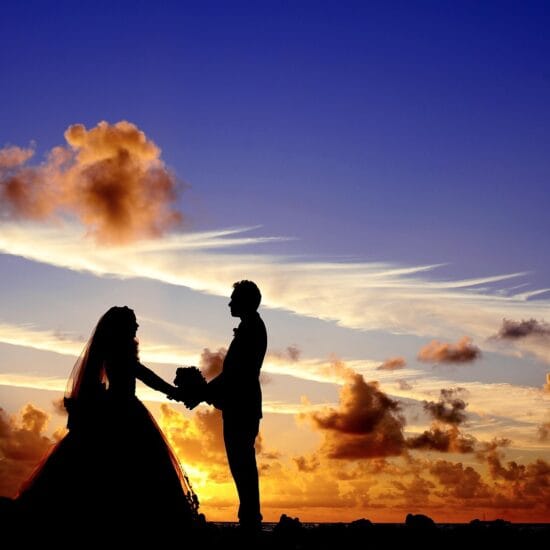
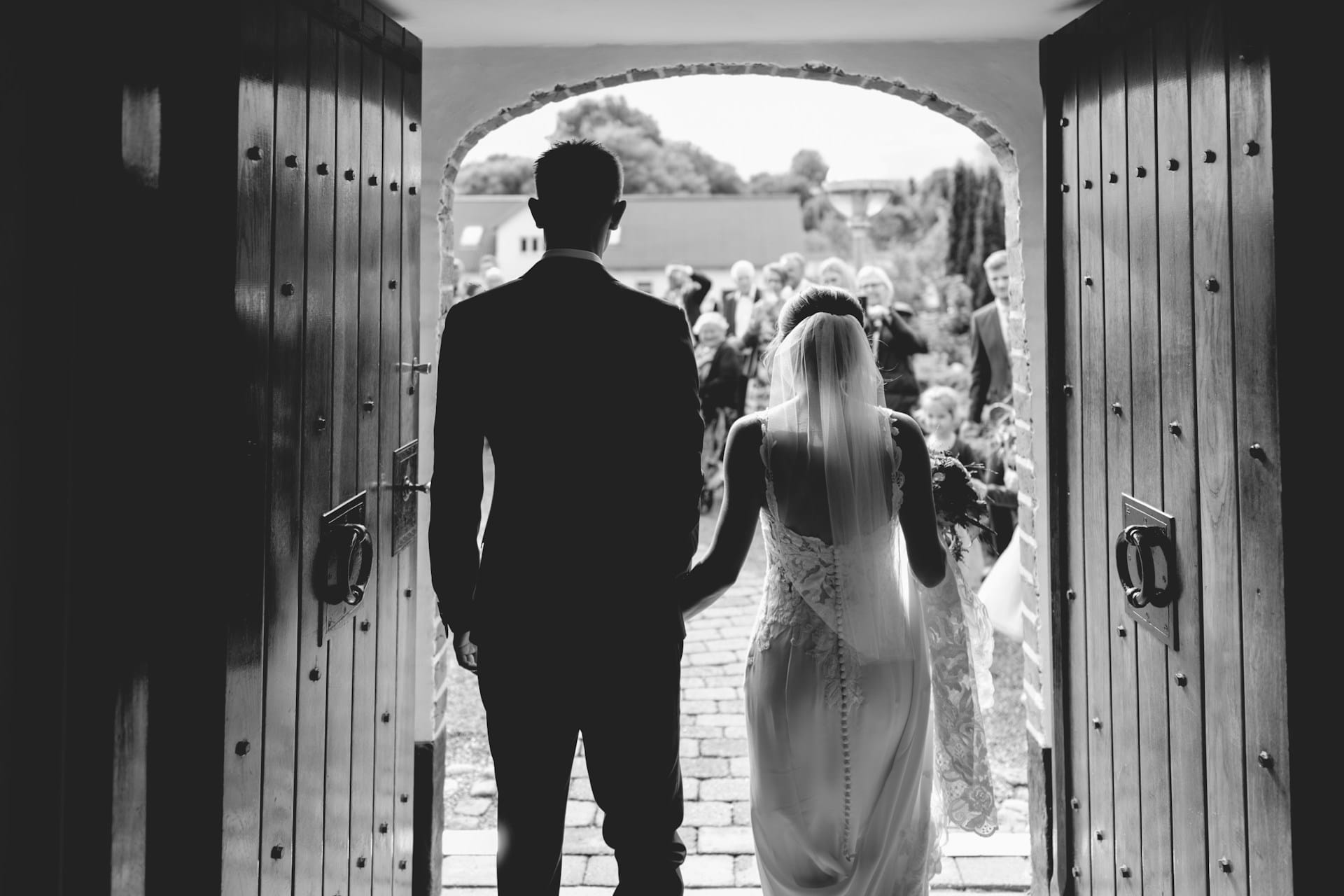
beautiful black-and-white documentary shot capturing the couple’s exit
Welsh wedding photographers have quietly become one of the strongest regional wedding photography markets in the UK. The country’s dramatic settings — Pembrokeshire clifftops, Eryri mountain backdrops, Anglesey lighthouse coasts, Bannau Brycheiniog dark-sky evenings, Cardiff Castle interiors — have attracted a substantial community of specialist photographers whose entire practice is built around the Welsh light and landscape. Full-day coverage from established Welsh wedding photographers typically runs £1,400-£2,500 in 2026, with South Wales pricing sitting slightly below the UK average and premium award-winning photographers reaching £3,500-£4,500. This guide covers how to shortlist a Welsh wedding photographer, the six main photography styles and which Welsh venues they suit best, real 2026 pricing across the market, what an actual contract needs to protect, and Wales’s strongest regional photographer clusters.
For related planning content see our Welsh wedding venues guide, elopement weddings guide for smaller-format photography needs, large group cottages guide for wedding party accommodation, and castle stays guide for premium venue photography.
Planning this trip? Ask Branwen, our free AI trip planner →
At a Glance: Welsh Wedding Photographers
- Full-day coverage cost: £1,400-£2,500 typical; £2,500-£4,500 premium
- Six main styles: documentary, editorial, fine-art, dark and moody, light and airy, traditional
- Coverage hours: full day 10-12 hours; standard 8-10 hours; micro-wedding 4-6 hours; elopement 2-4 hours
- Delivery standard: 30-50 edited images per hour of coverage
- Regional clusters: Cardiff/South Wales, Pembrokeshire/West Wales, Eryri/North Wales, Bannau/Mid Wales
- Book: 12-18 months ahead for peak summer Saturdays; 4-8 months for winter or midweek
- Deposit: typically 25-30% at booking; balance 30 days before
- Essential contract terms: file rights, backup arrangements, sickness contingency, cancellation, insurance
The Six Main Welsh Wedding Photography Styles
Understanding photography style vocabulary is the fastest way to shortlist. Photographers describe their work with terms that mean specific things — matching your preference to their style prevents the most common source of wedding photography disappointment.
1. Documentary (reportage / photojournalism)
Candid, unposed, story-driven. The photographer captures the day as it unfolds without directing guests or staging moments. Best for couples who prioritise authenticity over composition perfection, dislike posing, and want images that feel like being back in the moment. Works particularly well for lively weddings with lots of children, natural interaction and emotional expressiveness. Look for portfolios showing genuine unposed guest moments, tears at the ceremony, and behind-the-scenes bridal preparation shots.
2. Editorial
Influenced by fashion magazine photography — more considered composition, some directed portraits, refined and polished finish. Best for couples who want their wedding images to feel like published editorial content, are comfortable with some posing, and want composition that stands up to being framed and displayed. Cardiff-based Welsh editorial photographers form a strong sub-cluster. Look for portfolios showing thoughtful composition, controlled lighting, and consistent visual style across every gallery.
3. Fine-art
Painterly, film-inspired, often bright and airy with a curated aesthetic — sometimes uses medium format film alongside digital. Best for couples who want a specific timeless aesthetic, prioritise printed albums and wall art, and value the slower, more considered pace of film photography. Fine-art wedding photography has grown significantly in Wales since 2020, driven by Welsh landscape photography traditions. Look for portfolios showing consistent colour palette, film-shot images, and hand-designed albums.
4. Dark and moody
Rich saturated colours, deep shadows, dramatic light — well-suited to Welsh castle interiors, winter weddings and evening receptions. Best for couples wanting cinematic images with dramatic atmosphere. Works particularly well with Welsh venue types that competitor light-and-airy styles struggle to capture: candlelit castle interiors, evening barn receptions, autumn woodland weddings. Look for portfolios showing indoor low-light mastery, dramatic ceremony light and processed colour work.
5. Light and airy
Bright, pastel-toned, minimal editing — the dominant Instagram aesthetic of Welsh coastal and country house weddings. Best for couples planning summer daylight weddings at coastal, garden or bright indoor venues. Works particularly well for Pembrokeshire beach and Anglesey coastal weddings, and for country house weddings with large windows and pale interiors. Look for portfolios that maintain consistent bright pastel tones across morning and afternoon shots.
6. Traditional
Formal group shots, posed portraits, structured shot list — still preferred by older family members, some cultural traditions, and couples wanting the wedding photography equivalent of formal portraiture. Best for family-first weddings where the parents and grandparents matter more than Instagram aesthetics. Traditional Welsh wedding photographers often specialise in cultural weddings and multi-generation family portraits. Look for portfolios showing well-executed group shots, formal couple portraits and organised family combinations.
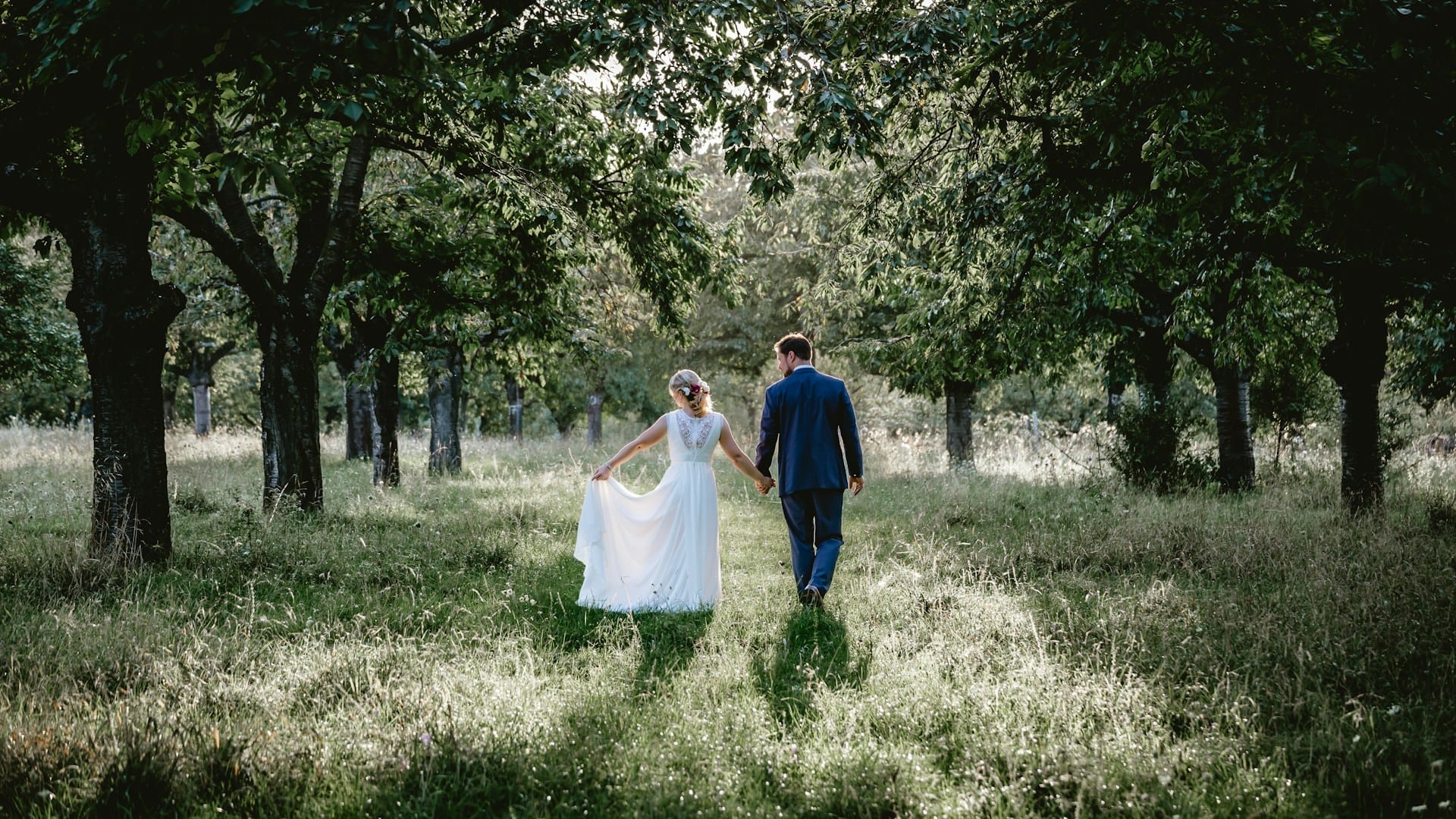
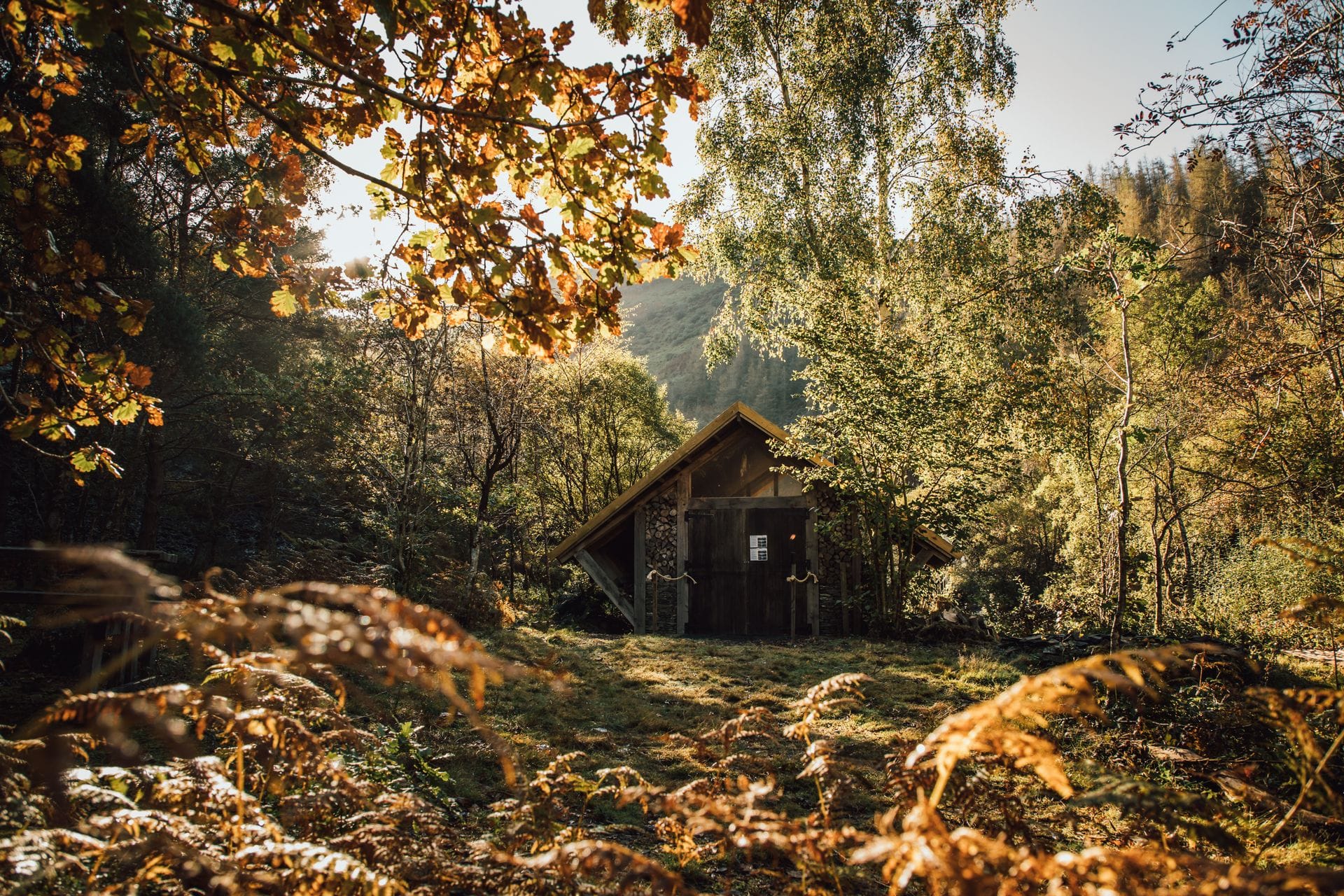
A fine-art, nature-led wedding portrait capturing a quiet moment in a sunlit orchard—a highly popular aesthetic for Welsh country house and barn weddings.
Wales’s Regional Photographer Clusters
Cardiff and South Wales
Cardiff holds Wales’s largest concentration of established wedding photographers, driven by the volume of South Wales venue bookings and easy travel to Bristol, Bath and Somerset. Expect the widest choice at the £1,400-£2,500 mid-market band, strong Cardiff Castle and Castell Coch experience, and photographers who regularly cover Bristol as well as Welsh weddings. Cardiff-based professionals worth exploring include Ben Holbrook (documentary, from £1,450 full day), Shawn Eastman (documentary) and Claudiu Iozon (editorial). See our 48 hours in Cardiff guide for the wider context.
Pembrokeshire and West Wales
Pembrokeshire is the natural centre of Welsh coastal wedding photography. Photographers here specialise in Coast Path, clifftop and beach portraiture, with deep knowledge of tide timings, light angles and hidden coastal locations. Best for coastal weddings, Coast Path elopements and destination weddings at Pembrokeshire venues. Established Pembrokeshire specialists include Heart2Heart Photography (documentary, elopement and coastal wedding coverage). See our Pembrokeshire destination guide.
Eryri (Snowdonia), Anglesey and North Wales
North Wales holds Wales’s strongest inventory of mountain, adventure and dramatic landscape wedding photographers. Expect deep experience shooting on mountain summits, at ridge-lines and by lakes, plus specialist knowledge of Eryri weather patterns and access routes. Established North Wales specialists include Babs Boardwell (nature-led, covers Eryri, Anglesey, Llŷn and Clwydian Range), Sunflower Daze Photography (dreamy documentary across North Wales and Cheshire), and Wrexham-based Joe Bickerton (Welsh Wedding Awards Photographer of the Year 2020, 2021 and 2023; UK finalist 2024; 75+ international Wedisson Awards). See our Eryri (Snowdonia) destination guide.
Bannau Brycheiniog and Mid Wales
Mid Wales and Bannau Brycheiniog have a smaller but growing specialist community focused on rural country house and dark-sky wedding photography. Photographers here typically also cover Herefordshire and the Welsh borders. Best for country house weddings, farm weddings, and dark-sky celebrations. See our Bannau Brycheiniog destination guide.
Real 2026 Welsh Wedding Photography Pricing
Verified market benchmarks from published 2026 pricing across South Wales, Cardiff and North Wales photographers:
| Coverage format | Typical price band | What it usually includes |
|---|---|---|
| Registry office / 2-hour short | £450–£800 | Ceremony coverage, portraits, ~40-100 edited images |
| Micro-wedding half-day (4hr) | £700–£1,300 | Ceremony, portraits, part of reception, ~150-200 images |
| Elopement package | £475–£1,800 | 2-6 hours, ceremony, portraits, sometimes location travel |
| South Wales full-day entry | £1,400–£1,800 | 10-12 hours, prep to first dance, 400-600 images |
| UK full-day standard | £1,500–£2,500 | 10-12 hours, full day coverage, 500-800 images |
| Premium / award-winning | £2,500–£4,500 | Full day, private consultation, print-ready album optional |
| Luxury / boutique fine-art | £4,500–£7,500+ | Full day, film + digital, hand-designed album, engagement |
Why South Wales sits slightly below UK average: published 2026 UK wedding photography benchmarks put full-day coverage at £1,500-£2,500, while South Wales averages £1,400-£2,200. The gap reflects local cost of doing business, competitive market density in Cardiff, and the strong regional supplier community. It does not reflect quality — several Welsh photographers hold UK and international awards including Welsh Wedding Awards Photographer of the Year and Wedisson Awards recognition.
Common add-ons and their real cost
| Add-on | Typical cost | When it’s worth it |
|---|---|---|
| Engagement shoot | £200–£450 standalone; discounted when bundled | Nervous couples; multiple children in family shots |
| Second shooter | £300–£600 | Weddings 100+ guests; groom and bride prep in different locations |
| Fine-art printed album | £350–£1,200 | Fine-art photography; grandparent gifts |
| USB / signed prints | £75–£250 | Physical media preference |
| Rush delivery (2-3 weeks) | £150–£350 | Time-sensitive family circumstances |
| Extra hours beyond package | £150–£350 per hour | Longer ceremony or reception than planned |
| Additional travel beyond 3-hour radius | £200–£800 | Destination weddings outside standard area |
| Film photography addition | £300–£800 | Fine-art commitment; specific aesthetic preference |
| Videography (added to package) | £800–£2,500 | See separate videographer question below |
Welsh Wedding Accommodation
Browse the interactive map below for accommodation for your wedding party — hotels for guests, cottages for exclusive-use bookings, and boutique properties near Welsh wedding venues. For venue-specific detail see our wedding venues guide. For dedicated large-party accommodation see our large group cottages guide.
The Ten Contract Terms Every Wedding Photography Booking Needs
Wedding photography contracts vary enormously between photographers. Ten terms separate a well-protected booking from a booking where problems become expensive:
- Exact coverage hours with start and end times specified. Not “10 hours of coverage” but “arrival 10:00, departure 21:00, 11 hours”. Extension rates should be documented in the contract.
- Exact deliverables. Number of edited images (or a floor, e.g. “minimum 400”), gallery format (online private gallery, USB, download link), delivery timeline (4-8 weeks is standard; anything beyond 12 weeks is a red flag).
- File rights. Whether high-resolution digital files are included for personal printing and social media, what your rights are to share and print them, and any restrictions on commercial use.
- Travel included or extra. Standard inclusion is typically within 2-3 hours of the photographer’s base with a specific mileage or postcode-based cutoff for additional charges.
- Equipment failure and backup arrangements. Dual-card cameras (industry standard), backup camera on the day, backup photographer contingency if the primary photographer becomes unavailable.
- Sickness and non-attendance contingency. What happens if the photographer is ill on the day — is there a network of backup photographers to send, is there a full refund clause, is there a rebooking discount for a future date?
- Cancellation and rescheduling terms. Both sides. Standard is 25-30% non-refundable deposit at booking, balance due 30 days before; typical rescheduling allowance is one free reschedule with 90 days notice.
- Insurance coverage. Public liability minimum £2 million (venues frequently require this), professional indemnity coverage for equipment failure and image loss.
- Payment schedule. Deposit amount and timing, balance timing, method of payment (BACS is standard; credit card processing fees may apply), any late payment fees.
- Social media and marketing use. Whether the photographer can use your images for their portfolio, website, social media and awards submissions, and what veto rights you retain over specific images.
The two contract terms couples most often overlook: the sickness contingency and the file rights clause. Wedding photographers occasionally get ill or have family emergencies on the day; a contract without a backup arrangement leaves you exposed. And a contract that grants only “personal use rights” (rather than full digital file ownership) can restrict your ability to print albums, share images with family, or use images commercially in the future.
How to Shortlist and Compare Welsh Wedding Photographers
Step 1: Match style to venue before shortlisting
Different Welsh venue types work better with different photography styles. Castle interiors work with dark and moody or editorial. Coastal weddings work with light and airy or documentary. Mountain elopements work with documentary or fine-art film. Country house weddings work with fine-art or light and airy. Shortlisting five photographers whose portfolios show consistent work at similar venue types to yours is the fastest way to see how their style will actually apply to your day.
Step 2: Review complete galleries, not just Instagram feeds
Instagram shows the best 20-30 images from any single wedding. A full gallery of 500+ images shows consistency across morning preparation, ceremony, portrait time, reception and evening dance floor. Photographers whose portfolios consistently deliver quality across all of these are the strongest candidates. Ask for two full galleries: one from a wedding format similar to yours (same season, similar venue type, similar guest number) plus one from a challenging shoot (poor weather, low light, difficult venue) to see how they handle problems.
Step 3: The consultation call
Book a video or in-person consultation call with two to three shortlisted photographers before final decision. This tests personal chemistry — you will spend the entire wedding day with this person, so the interpersonal fit matters enormously. Watch for: honesty about what they can and cannot deliver, specific responses to your venue and timing questions (rather than vague reassurance), clear pricing without hidden inflation, and how they respond to your style preferences (are they matching your requests or trying to redirect you toward their aesthetic?).
Step 4: Reference-check with past couples
Request two to three references from couples who booked in the last 12-18 months. Ask specific questions: were the images delivered within the promised timeline; did the photographer arrive punctually and stay for the contracted hours; how were group shots managed (typically the highest-friction moment of any wedding); would they book the photographer again knowing what they know now.
The strongest single question to ask past couples: “was the final gallery the same quality as the samples on the photographer’s website?” A photographer whose website shows only their best five weddings can look enormously stronger than one whose website shows genuine averages. Reference checks reveal whether the average delivery matches the marketing.
Photographer vs Videographer vs Both
A growing number of couples are adding videography alongside photography. The decision matters for budget planning:
| Option | Cost band | Best for |
|---|---|---|
| Photography only | £1,400–£4,500 | Most weddings; typical baseline |
| Photography + short film (3-5 min highlights) | £2,200–£5,500 | Modern weddings wanting shareable film |
| Photography + full videography | £3,000–£7,000 | Couples wanting complete wedding film |
| Same-day edit (photo + film) | £3,500–£8,000 | Reception plays a film later that day |
| Photography + drone aerial | +£300–£800 to photography | Coastal, mountain and estate weddings for landscape shots |
Some photographers work in duos with a partner videographer and can bundle both services more affordably than booking separately. Others prohibit videographers being present alongside them; confirm at booking. For Welsh mountain and coastal weddings, drone aerial photography is a valuable addition if the licensing is handled correctly.
Common Practical Considerations
Weather planning and photographer flexibility
Welsh weather is variable enough that outdoor portrait plans should always have wet-weather alternatives. The strongest photographers know indoor and undercover locations at every major Welsh venue and can adapt the day’s timeline to work around weather. Confirm at booking: what happens if rain forces changes, are you prepared to move indoors, is a covered outdoor space available at the venue.
Group shot management
Group shot organisation is the most complained-about part of most weddings — extended family members disappearing between combinations, unclear shot lists, and unstructured attempts to organise 40+ people into groups. The best-run weddings prepare a specific group shot list at least 2 weeks before, delegate to a family member (typically an usher) who knows everyone by name, and allocate 20-30 minutes maximum for group photography. Photographers with strong group shot processes are worth their fee.
Bridal preparation coverage
Bridal preparation photography has grown significantly since 2020 — many couples now consider it a required part of the day coverage rather than an optional add-on. Practical considerations: the room needs enough natural light, the space needs to be tidy in the background of shots, and dressing gown/robe photography is now standard for the getting-ready portrait sequence. Consider room selection at your accommodation with photography in mind.
Ceremony restrictions
Some Welsh venues restrict where photographers can stand during the ceremony (particularly some Church in Wales buildings and register offices), and some require the photographer to shoot silently (no flash, quiet shutters). Confirm venue rules and share them with your photographer well in advance.
Post-wedding delivery and printing
Standard delivery timeline is 4-8 weeks for full gallery. Some fine-art photographers deliver in 8-12 weeks with hand-designed album mockups. Anything beyond 12 weeks without a specific reason is a red flag. Confirm the delivery format at booking: online private gallery for guest sharing, high-resolution download link, USB for physical media, and printed album options.
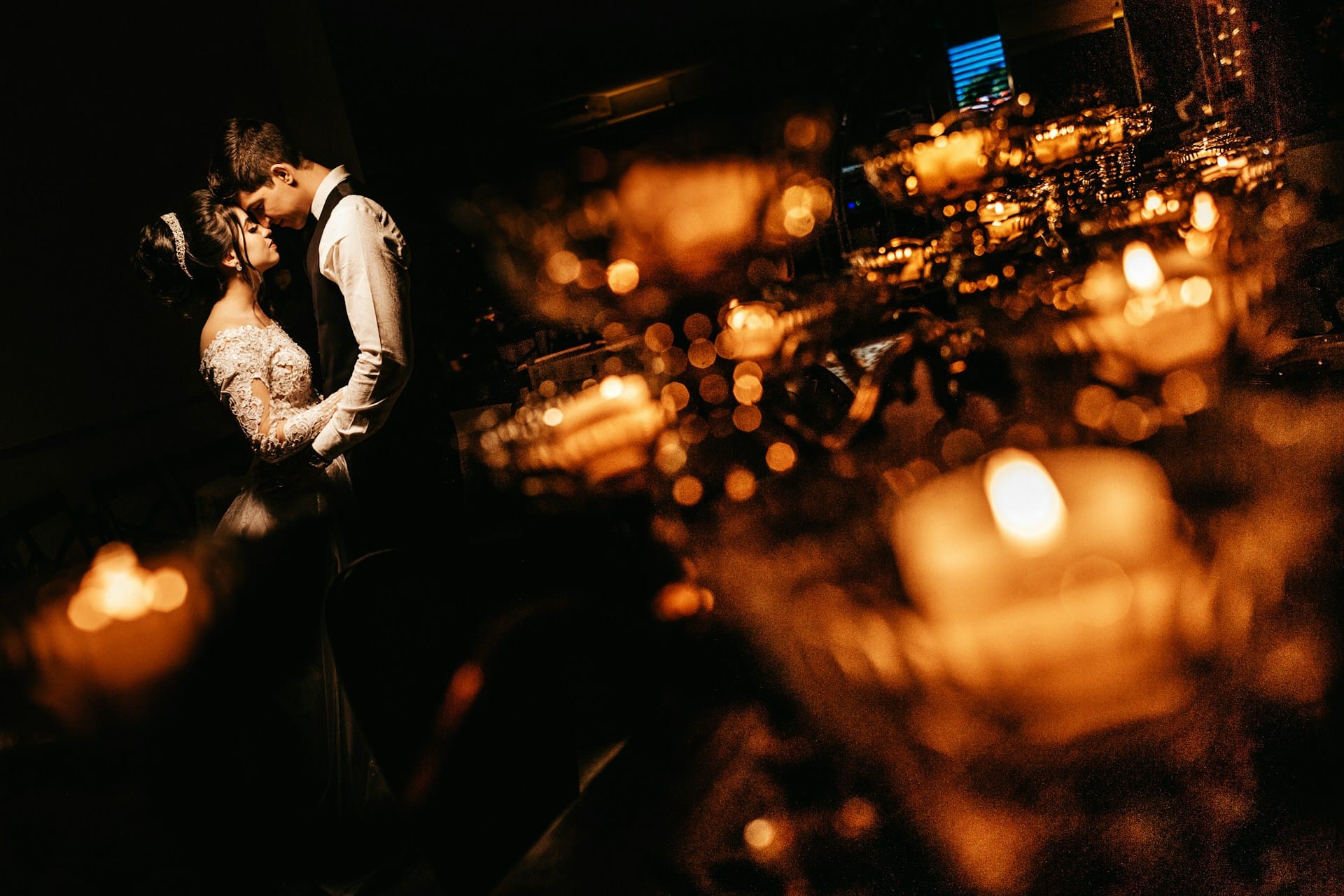
A quiet documentary moment — the strongest photographers know when to be present and when to step back. This is what you’re paying for.
Where to Find Welsh Wedding Photographers
Photographer directories and awards
- UK wedding photography associations — the Master Photographers Association (MPA), Society of Wedding and Portrait Photographers (SWPP) and Guild of Photographers all list qualified members with regional filtering.
- Welsh Wedding Awards — annual award category winners including Photographer of the Year are worth reviewing for shortlist candidates. Award holders typically maintain higher pricing but deliver correspondingly stronger work.
- Wedisson Awards — international wedding photography awards; several Welsh photographers hold multiple awards.
- Hitched, Bridebook, Guides for Brides, The Wedding Secret — general UK wedding directories with Welsh photographer filtering and recent portfolio uploads.
Regional starting points
- South Wales / Cardiff — Ben Holbrook, Shawn Eastman, Claudiu Iozon — see individual sites linked above.
- Pembrokeshire / West Wales — Heart2Heart Photography, plus additional coastal specialists via Wedissimo directory.
- Eryri (Snowdonia) / North Wales — Babs Boardwell, Sunflower Daze Photography, Joe Bickerton (Wrexham; multiple award-winner) — see individual sites linked above.
- Bannau Brycheiniog / Mid Wales — Emerging cluster; check via directories above.
Personal recommendations still work best. Ask your venue coordinator, celebrant, wedding planner and recent brides in your circle for personal recommendations. Welsh wedding photographers work extensively with the same venues and coordinators; venue-recommended photographers typically know the space intimately and are known reliable operators.
Booking Timeline for Welsh Wedding Photographers
| Wedding date type | Book photographer by | Notes |
|---|---|---|
| Peak summer Saturday (May-Sep) | 12-18 months ahead | Premium photographers 18-24 months out |
| Spring or autumn Saturday | 10-12 months ahead | Similar to venue booking timing |
| Any Sunday | 8-10 months ahead | Slightly easier availability than Saturday |
| Friday or midweek | 4-8 months ahead | Good photographers often have midweek gaps |
| Winter Saturday (excl Dec) | 6-8 months ahead | Strong value and availability |
| Christmas / New Year | 12+ months ahead | Photographer availability is limited |
| Elopement (any date) | 2-4 months ahead | Shorter format is easier to schedule |
Frequently Asked Questions: Welsh Wedding Photographers
How much does a wedding photographer cost in Wales in 2026?
A Welsh wedding photographer for full-day coverage typically costs £1,400-£2,500 in 2026, according to published market benchmarks. South Wales pricing sits slightly below the UK average at £1,400-£2,200 for a full day, while premium Welsh photographers with 10+ years of experience and award recognition run £2,500-£4,500 for the same coverage. Shorter formats are cheaper: micro-wedding half-day coverage (4 hours) typically £700-£1,300; short coverage (2 hours registry office ceremony) from £450. Elopement-focused packages typically £475-£1,800 depending on hours and inclusions. Add-ons include engagement shoots (£200-£450 standalone or discounted when bundled), second shooter (£300-£600), and printed albums (£350-£1,200).
What are the main wedding photography styles?
Six main styles dominate the Welsh wedding photography market. Documentary (also called reportage or photojournalism): candid, unposed, story-driven — the photographer captures the day as it unfolds. Editorial: influenced by fashion magazine photography — more considered composition, some directed portraits, refined finish. Fine-art: painterly, film-inspired, often bright and airy with a curated aesthetic — sometimes uses medium format film alongside digital. Dark and moody: rich saturated colours, deep shadows, dramatic light — well-suited to Welsh castle interiors and winter weddings. Light and airy: bright, pastel-toned, minimal editing — popular for summer coastal and country house weddings. Traditional: formal group shots, posed portraits, structured shot list — still preferred by older family members and cultural traditions.
How many hours of coverage do you actually need?
Coverage needs depend on the wedding format. Full wedding day coverage (typical): 10-12 hours from bridal preparation through evening dance floor. Standard weddings (typical): 8-10 hours from mid-morning preparation through first dance. Micro-weddings (20-30 guests): 4-6 hours covering ceremony, portraits and part of the reception. Elopements (couple only): 2-4 hours covering ceremony and portraits. Registry office ceremony only: 1-2 hours. Most photographers price full-day coverage as a package; shorter formats are typically priced hourly at £150-£350 per hour. The industry standard delivery is 30-50 fully edited images per hour of coverage.
What should be in a wedding photographer contract?
Ten essential items in any Welsh wedding photography contract: (1) exact coverage hours with start and end times specified, (2) exact deliverables — number of edited images, gallery format, delivery timeline (typically 4-8 weeks), (3) file rights — whether high-resolution digital files are included for personal printing and social media, (4) travel included or extra (typical inclusion within 3 hours of photographer’s base), (5) equipment failure and backup arrangements — dual cards, backup camera, backup photographer contingency, (6) sickness contingency — what happens if the photographer is ill on the day, (7) cancellation and rescheduling terms both sides, (8) insurance — public liability minimum £2 million, professional indemnity coverage, (9) payment schedule — typical deposit 25-30%, balance 30 days before, (10) social media and marketing use — whether the photographer can use images for portfolio and promotion.
When should you book a Welsh wedding photographer?
Book Welsh wedding photographers 12-18 months ahead for peak summer Saturday dates (May-September), and 8-12 months ahead for spring, autumn or Sunday dates in the same window. Winter weddings (November-February, excluding Christmas) can typically be booked 4-8 months ahead. The strongest Welsh photographers with regional award recognition often have limited summer weekend availability and can be booked 18-24 months out for peak dates. If the venue is booked but the photographer isn’t, treat photographer booking as the second most time-sensitive supplier decision after venue. Off-peak midweek weddings can be booked at short notice — good photographers often have midweek availability within 6-8 weeks.
What is the best wedding photography style for Welsh venues?
Different Welsh venue types suit different photography styles. Welsh castle interiors — Hensol, Chirk, Caerphilly — work particularly well with dark and moody or editorial styles that handle low interior light dramatically. Pembrokeshire and Anglesey coastal weddings suit light and airy or documentary styles that capture Atlantic light and coastal drama. Eryri (Snowdonia) mountain weddings favour documentary or fine-art film photography that pairs with the landscape. Cardiff and Swansea urban and hotel weddings work with editorial and documentary styles that adapt well to indoor and mixed-light conditions. Converted barn and rural country house weddings across Wales suit fine-art or light-and-airy styles that handle natural light beautifully. Choose the photographer whose portfolio consistently delivers your preferred style in your venue’s specific format.
Do Welsh wedding photographers travel outside Wales?
Yes, most Welsh wedding photographers cover a defined regional area and travel to weddings within it — typically within 2-3 hours of their base — with additional fee for travel beyond. Cardiff-based photographers routinely cover Bristol, Bath, Somerset and West of England weddings. Pembrokeshire-based photographers cover Ceredigion, Carmarthenshire and West Wales. Eryri-based photographers cover Anglesey, the Llŷn Peninsula, Conwy and North Wales. Destination-photographer packages for weddings outside their standard travel radius typically add £200-£800 to cover travel time, accommodation and expenses. Some Welsh photographers travel internationally for destination weddings — expect a substantial premium plus flights and accommodation for these bookings.
Related Welsh Wedding Planning Guides

Pembrokeshire-born travel writer and founder of Wales.org. Born in Haverfordwest, now based in Hertfordshire — covering Welsh castles, national parks, festivals and family staycations across all 22 Welsh counties.