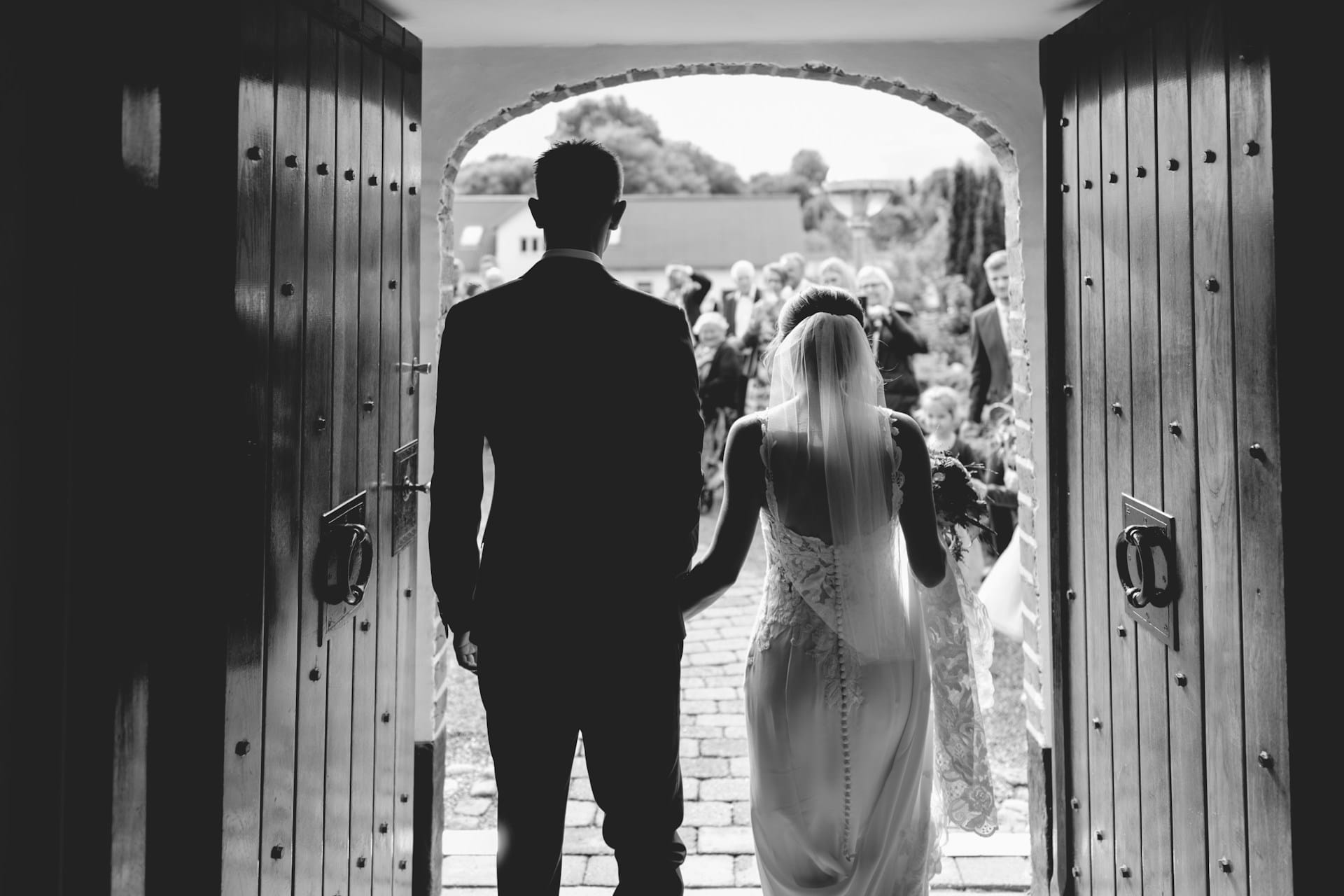



Elopement Weddings in Wales: The Complete 2026 Guide
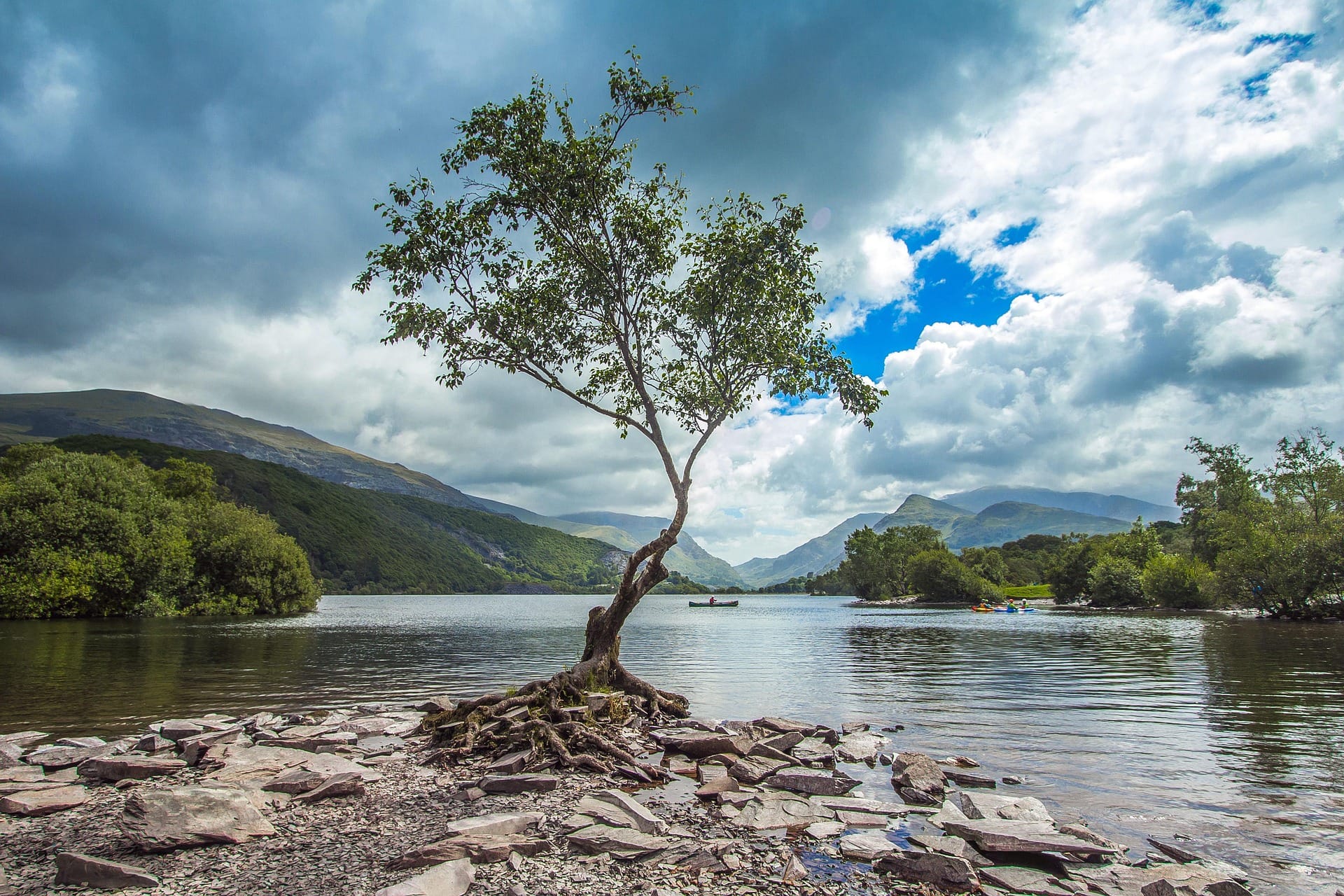
The iconic lone tree at Llyn Padarn in Eryri (Snowdonia), offering the kind of stunning natural backdrop that draws eloping couples from around the world.
Wales has emerged as one of the strongest UK elopement destinations of the last five years. The country’s landscape does the theatrical work most couples spend £30,000+ trying to manufacture at a traditional wedding venue: Eryri mountain summits, Pembrokeshire clifftops, Anglesey lighthouse coast, Ogwen Valley waterfalls, Bannau Brycheiniog dark-sky evenings. Elopement-specialist photographers now operate across every region. Licensed approved premises in Pembrokeshire, Snowdonia and Anglesey offer dedicated elopement packages from £1,500 upward. And the legal framework — the same civil marriage law as England, with £46.50/£56/£12.50 statutory fees — makes Wales a straightforward destination for elopements from England, Scotland, Northern Ireland, Ireland and internationally. This guide covers the legal framework specific to elopement bookers, the five best elopement regions with what each landscape delivers photographically, real 2026 pricing, and the practical logistics couples most often overlook.
For related planning content see our Welsh wedding venues guide for approved premises detail, sea-view cottages guide for post-ceremony accommodation, castle stays guide for premium overnight venues, and romantic breaks guide for honeymoon inspiration.
Planning this trip? Ask Branwen, our free AI trip planner →
At a Glance: Elopement Weddings in Wales
- Five best regions: Eryri (Snowdonia), Pembrokeshire, Anglesey, Llŷn Peninsula, Bannau Brycheiniog
- Legal framework: Marriage Act 1994; 28-day notice minimum; two witnesses required; ceremony at register office, approved premises or licensed outdoor space
- Statutory fees (August 2026): £42-£46.50 per person notice (varies by council; £57-£63 if immigration referral), £56 statutory register office ceremony, £12.50 certificate
- Typical cost bands: £500-£1,500 (couple only, DIY), £1,500-£3,500 (mid-market package), £3,500-£8,000+ (premium)
- Photographer only: £475-£1,800 for elopement coverage
- Best months photographically: May, June, September (best weather-to-crowd ratio)
- Book: 4-9 months ahead for peak dates; 3-8 weeks for register office quick elopements
- Wales’s advantage: Landscape does theatrical work at a fraction of traditional venue costs
Elopement vs Micro-Wedding vs Small Wedding
Three formats often blur together in venue conversations. Understanding the differences helps couples focus on the right suppliers and pricing tier.
| Format | Typical guests | Total budget | Format defining features |
|---|---|---|---|
| Elopement (couple only) | 2, plus 2 witnesses | £500–£3,500 | Dramatic location, photographer-led, minimal planning |
| Elopement (with witnesses/family) | 2–8 | £1,500–£5,000 | Immediate family, ceremony location led by scenery |
| Micro-wedding | 10–30 | £4,000–£12,000 | Approved premises, structured but small |
| Small wedding | 30–60 | £8,000–£20,000 | Approved premises, typical wedding structure at reduced scale |
The Legal Framework for Welsh Elopements
The 28-day notice requirement
Both parties must give formal notice at the register office in the local authority where they live (must have lived there at least 7 days). This is the single hardest constraint for elopement bookers because notice must be given in-person, not remotely, and there is a 28 clear-day minimum between notice and ceremony date. Notice appointments require ID documentation, proof of address, and details of the intended ceremony venue and date. Fees vary between £42 and £46.50 per person depending on the local authority (£57-£63 per person if either party is subject to immigration control) — councils have moved to updated rates at different points during 2025-2026, so confirm the exact current fee with the specific council where notice will be given. Notice remains valid for 12 months.
The rules differ significantly for UK and non-UK couples travelling to Wales:
UK residents (England, Scotland, Northern Ireland): give notice at your local register office in your home area, then travel to Wales for the ceremony at an approved premises. Your Welsh venue’s ceremony date must be at least 28 days after the notice date. Scottish and Northern Irish couples marrying in Wales may need additional documentation including a Certificate of No Impediment; check with both the Welsh venue’s local authority and your home register office. Republic of Ireland citizens can marry in the UK without a visa under the Common Travel Area.
Non-UK, non-Irish international couples (USA, Canada, Australia, EU without settled status, etc.): cannot give notice in their home country and cannot legally marry during a short UK trip. UK law requires: obtaining a Marriage Visitor Visa (£135, valid 6 months, cannot be extended); spending at least 7 full days in the UK before giving notice; attending the notice appointment in-person at a UK register office; waiting a minimum 28 further days from notice to ceremony (extending to at least 70 days if immigration control applies). Total minimum UK stay for a legally binding ceremony: 35 days. Register offices verify immigration status before ceremonies proceed — entering on a Standard Visitor tourist visa with intent to marry will result in the ceremony being refused and may damage future UK visa applications. This is why most non-UK international couples use the two-ceremony strategy described later in this guide: they complete the legal marriage in their home country (US courthouse, Australian registry, etc.) and hold a symbolic celebrant-led ceremony in Wales.
Where the ceremony can legally take place
- Any Welsh register office — small, functional, £56 statutory fee. Every Welsh local authority operates one.
- An approved premises — castles, country houses, coastal hotels and other venues licensed under the Marriage Act 1994. Fees typically £500-£3,500+ for the ceremony room alone.
- Approved premises outdoor space — since 2022, cliff-tops, gardens, terraces and courtyards can be included in the licensed area if the venue has extended its licence. Confirm exactly which outdoor space is on the current licence.
- Registered religious buildings — Church in Wales, Roman Catholic, Nonconformist chapels and other faiths that hold marriage registration.
Celebrant-led ceremonies at wild locations
The mountain summit, the hidden waterfall, the remote clifftop — none of these are approved premises. Celebrant-led ceremonies at these locations are widely offered by Welsh elopement specialists but are not legally binding under current English and Welsh law. Couples typically pair a celebrant-led ceremony at the dramatic location with a small legal civil ceremony at a register office or approved premises — often on a different day the same week. The celebrant-led ceremony carries the meaningful vows and the location; the legal ceremony handles the paperwork.
Two witnesses at every ceremony
Every UK civil marriage — including elopements — requires two witnesses at the ceremony. Register office staff will not act as witnesses. Options: bring family or friends as witnesses; the venue provides witnesses; the photographer acts as one witness (with the couple then requesting the second from a member of venue staff or a nearby cafe). Confirm the witness arrangement at booking rather than assuming.
Wales’s Five Best Elopement Regions
1. Eryri (Snowdonia) — the mountain elopement
Eryri is Britain’s strongest single elopement destination for mountain landscapes. Ogwen Valley, Llyn Ogwen and the ascent of Pen yr Ole Wen deliver dramatic ridge-line and lake settings that photograph beautifully at sunrise or sunset. Yr Wyddfa (Snowdon) itself is possible with fitness planning. Cwm Idwal and the Nant Ffrancon pass offer accessible dramatic settings without significant mountain fitness. Weather is unusually variable at altitude, and mountain-based elopements need a wet-weather backup at a lower location. Approved premises in Betws-y-Coed, Beddgelert and Llanberis handle the legal ceremony; celebrant-led mountain ceremonies pair with legal ceremony elsewhere. See our Eryri (Snowdonia) destination guide.
2. Pembrokeshire — the coastal clifftop elopement
Pembrokeshire is Britain’s strongest coastal elopement destination. St Davids Head, Marloes Sands, Barafundle Bay, Newport Sands and the Coast Path between Solva and Whitesands offer dramatic clifftop and beach settings within Pembrokeshire Coast National Park (the UK’s only coastal National Park). Approved premises in and around St Davids, Tenby, Solva and Newport handle legal ceremonies; several coastal country houses have extended licences to include clifftop outdoor space. Dedicated Welsh elopement venues including Nantwen (near Cardigan) offer specific elopement packages. See our Pembrokeshire destination guide.
3. Anglesey — the lighthouse and island elopement
Anglesey (Ynys Môn) offers Wales’s most distinctive coastal elopement locations. South Stack lighthouse near Holyhead delivers Britain’s most photographed lighthouse setting. Llanddwyn Island — associated with Dwynwen, Welsh patron saint of lovers — carries specific romantic symbolism for Welsh elopements and is accessible on foot at low tide. The Menai Strait bridges and coastal country houses along the Anglesey coast add to the region’s elopement inventory. Approved premises in Beaumaris, Holyhead and Llangefni handle the legal ceremony. See our Anglesey destination guide.
4. Llŷn Peninsula — the quiet remote elopement
The Llŷn Peninsula holds Wales’s strongest inventory of quiet, less-photographed elopement locations. Aberdaron, Porth Iago, Whistling Sands and the western tip toward Bardsey Island offer coastal settings that most Welsh elopement photographers describe as their favourite hidden alternatives to Pembrokeshire. Suits couples wanting a quieter alternative that will not appear on Instagram feeds for the next five years. Approved premises in Abersoch and Aberdaron handle legal ceremonies.
5. Bannau Brycheiniog — the dark-sky elopement
Bannau Brycheiniog (Brecon Beacons) is Wales’s strongest destination for evening and dark-sky elopements. The International Dark Sky Reserve delivers Britain’s most reliable stargazing conditions and dramatic evening ceremony settings. Waterfall country (near Pontneddfechan), open moorland and remote country estate settings suit couples wanting rural retreat combined with dramatic photography. Approved premises in and around Brecon, Crickhowell and Llangorse handle legal ceremonies. See our Bannau Brycheiniog destination guide.
The dramatic skies and rugged coastline of Pembrokeshire provide world-class, cinematic backdrops for elopement photography.
What Welsh Elopement Packages Actually Include
Welsh elopement packages vary significantly between suppliers. Understanding what is and isn’t included helps couples compare quotes fairly and avoid the most common cost surprises.
| Element | Typical inclusion | Typical cost separately |
|---|---|---|
| Ceremony location (approved premises) | Included in venue-led packages | £500–£3,500 |
| Celebrant (for symbolic ceremony) | Included in celebrant-led packages | £450–£950 |
| Registrar (for legal ceremony) | Rarely included; couple books directly | £56–£500+ (varies by venue) |
| Photographer | Sometimes included; check hours | £475–£1,800 |
| Videographer | Rarely included; add-on | £600–£1,500 |
| Bouquet, buttonhole, arch | Basic often included | £150–£600 for elopement scale |
| Hair and makeup | Sometimes included | £150–£400 combined |
| Accommodation (2 nights) | Sometimes included in venue packages | £400–£1,500 for two |
| Post-ceremony meal | Sometimes included; simple picnic to restaurant meal | £50–£300 for two |
| Witness provision | Sometimes included in venue packages | Free or nominal |
| Statutory legal fees | Never included | £161 (£46.50 x 2 + £56 + £12.50) |
Statutory legal fees are always separate. No venue, celebrant or photographer can bundle them in. Budget £161 minimum for standard couple statutory costs (£46.50 notice each = £93, £56 basic register office ceremony, £12.50 certificate). Immigration referral increases per-person notice to £63.
Search Welsh Elopement Accommodation
Browse the interactive map below for accommodation suitable for elopement stays — boutique hotels, coastal cottages, mountain retreats and country houses. For dedicated wedding venue accommodation see our wedding venues guide. For coastal elopement stays specifically see our sea-view cottages guide.
Real 2026 Welsh Elopement Pricing
| Elopement format | Total budget | What it typically covers |
|---|---|---|
| DIY register office elopement | £500–£1,000 | Register office ceremony, brief photographer, restaurant meal |
| Basic celebrant + photographer package | £1,200–£2,200 | Celebrant symbolic ceremony + separate legal ceremony, photographer, small extras |
| Mid-market venue elopement package | £2,500–£4,500 | Approved premises ceremony, in-house catering for 2-6, photographer, extras |
| Adventure elopement package | £2,000–£4,000 | Mountain or coast location, celebrant, photographer, small legal ceremony separately |
| Premium boutique elopement | £4,500–£8,000+ | Premium venue, planner, hair/makeup, floral styling, videographer, 2-night stay |
| Overseas visitor elopement package | £3,500–£10,000 | Full-service planning, visa/document guidance, extended photography, accommodation |
Why Welsh elopements deliver disproportionate value: a traditional 60-guest wedding at a Welsh castle costs £35,000-£65,000 (per our wedding venues guide). A couple can get an equally cinematic elopement — same castle setting, same photographer quality, same dinner — for £3,500-£8,000 by cutting the guest list and formal reception. The landscape and the photography carry the emotional weight of the day; the £30,000+ that traditional weddings spend on catering large guest numbers is optional.
The Two-Ceremony Strategy for Welsh Elopements
The single most common Welsh elopement format pairs two ceremonies on different days the same week:
- The legal ceremony — mid-week, at a register office or approved premises, immediate witnesses only, 15-30 minutes, focus on paperwork and legal formality. Cost £56-£500+.
- The meaningful ceremony — the following day or later that week, at a mountain summit, clifftop or dramatic location, celebrant-led, with vow exchange, photography, small picnic or meal after. Cost £1,000-£3,500 depending on inclusions.
This structure removes every legal constraint from the meaningful ceremony’s location. Couples get the mountain summit, hidden beach or waterfall backdrop they want without needing to find an approved premises there. The photographs come from the meaningful ceremony; the certificate comes from the legal ceremony. Many Welsh elopement specialists structure packages specifically around this format.
Practical Considerations Welsh Elopements Overlook
Weather planning at Welsh altitude and on the coast
Eryri mountain summits, Pembrokeshire clifftops and the Anglesey coast are all significantly more weather-variable than lowland Wales. Wind speeds at Yr Wyddfa or Pen yr Ole Wen summit can reach 40mph+ even on days that appear calm at valley level; Pembrokeshire clifftops frequently see driving rain or fog when Cardiff is clear. Every Welsh elopement plan needs a wet-weather backup location for the meaningful ceremony — typically a lower-altitude alternative for mountain elopements, or a sheltered cove alternative for coastal elopements. Book photographers who have wet-weather experience and appropriate gear.
Access, parking and hiking distances
Ceremony locations are not always immediately accessible from car parks. Pen yr Ole Wen requires a 2-3 hour hike each way. St Davids Head is 30 minutes from the nearest parking. Llanddwyn Island is a 25-minute walk from Newborough Beach car park and cuts off at high tide. Elopement locations chosen for photography drama typically require some hiking with dress, gear, photographer and witnesses. Confirm the exact walking distance, tide considerations and gear requirements before booking.
Dress and attire practical realities
A full-length white wedding dress on a windy Welsh mountain summit is a different practical challenge from a hotel ballroom. Elopement-specific dresses (shorter, warmer, hiking-compatible), sturdy boots for the walk with dress shoes for the ceremony moment, warm layers for spring/autumn/winter elopements, and simpler hair and makeup that survives wind and rain are all worth planning. The Welsh elopement Instagram aesthetic often shows barefoot brides on beaches — this works in July and August at coastal locations, not typically otherwise.
International visitor considerations
Couples travelling from the US, Canada, Australia, Ireland or elsewhere have additional considerations. Passports and marriage-relevant documents (Certificate of No Impediment, translated birth certificates for some jurisdictions) may be needed for notice appointments. Some jurisdictions require additional documentation for the marriage to be recognised at home. UK marriage certificates are separately certified for international recognition on request. Time between arrival, notice and ceremony can push a Welsh visit to 5-7 days if starting from scratch in Wales — most international elopements handle this by giving notice at home first.
Photographer-first planning
Welsh elopement content is dominated by photography quality — the primary reason couples choose Wales in the first place is landscape photography. Booking the photographer first and building the day around their availability is often the strongest planning approach. Elopement-specialist photographers know the best light, tide timings, hidden locations, weather patterns and access routes at each region. Many act as informal planners for the whole day. See supplier suggestions later in this guide for starting points.
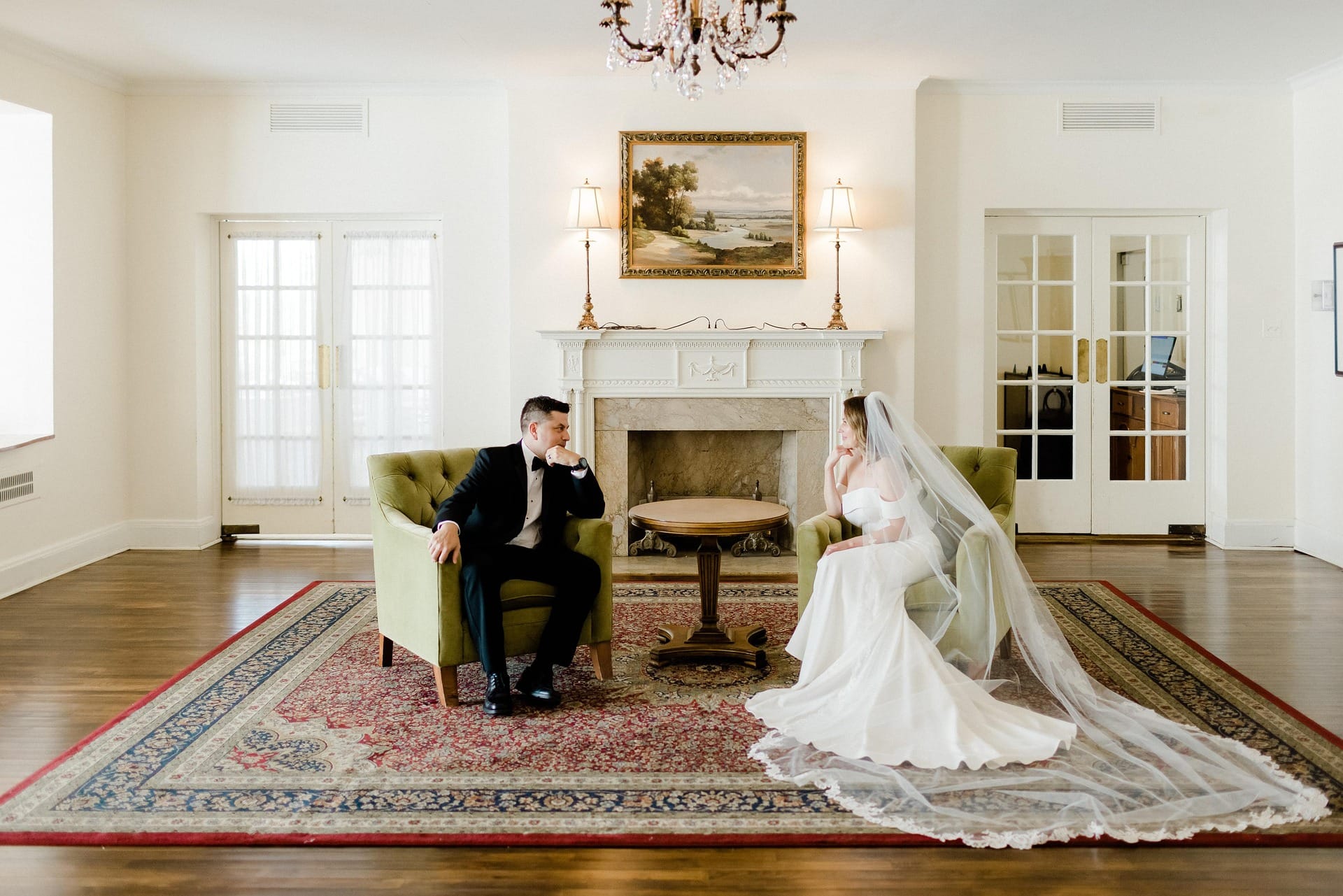
Taking a quiet moment together after the ceremony. Many premium Welsh country house venues offer elegant private spaces that are perfect for intimate elopement photography
Where to Book: Welsh Elopement Suppliers and Resources
Because elopement suppliers are typically small individual operators rather than large agencies, direct booking rather than platform booking is standard. The strongest starting points:
Elopement venues and package operators
- Nantwen — dedicated elopement venue in Pembrokeshire Coast National Park with all-inclusive packages and additional guest options up to 30.
- The Snowdonia Celebrant — celebrant-led elopement packages across Eryri, Anglesey and North Wales including photographer, planning and small extras.
- Adventure Wedding platform — international booking platform with Snowdonia and Pembrokeshire elopement package listings.
- Direct approved premises booking — coastal country houses in Pembrokeshire, mountain hotels in Eryri, and Anglesey coastal venues typically offer elopement-tier packages alongside their standard wedding pricing. Contact venues directly with “elopement” or “micro-wedding” as the enquiry framing.
Welsh elopement-specialist photographers
- North Wales / Eryri specialists — including Babs Boardwell and Sunflower Daze Photography, both specialising in mountain and coastal elopements.
- South and West Wales specialists — including Heart2Heart Photography in Pembrokeshire covering coastal and forest elopements.
- Photographer directories — Hitched Wales, Bridebook and Guides for Brides all list Welsh elopement-focused photographers with recent portfolios worth reviewing.
Welsh register offices for legal ceremonies
Every Welsh local authority operates a register office. For elopements, the most commonly chosen for their ceremony room quality and location convenience:
- Cardiff, Swansea, Newport — city register offices with dedicated ceremony rooms
- Aberystwyth, Llandudno, Bangor — coastal region register offices
- Pembrokeshire register office (Haverfordwest) — for Pembrokeshire elopements
- Gwynedd register office (Caernarfon) — for Eryri and Llŷn elopements
- Anglesey register office (Llangefni) — for Anglesey elopements
Confirm ceremony room capacity, availability and specific fees directly with the local authority. Register office fees vary between the £56 statutory rate for the basic room and up to £500+ for upgraded weekend ceremony rooms.
Best Times of Year for Welsh Elopements
| Season | Best for | Watch for |
|---|---|---|
| May and June | Best weather-to-crowd ratio; long daylight; wildflowers | Peak elopement demand — book earlier |
| September and October | Autumn light, quieter locations, dramatic weather | Occasional early autumn storms |
| July and August | Warmest temperatures; barefoot beach elopements | Locations busy; midweek dates strongly preferred |
| Winter (Nov-Feb) | Dramatic conditions, off-peak pricing, dark-sky elopements | Weather variable; mountain summits often inaccessible |
| Spring (Mar-Apr) | Fresh light, spring flowers, low crowds | Weather still cold; wet-weather backup essential |
Frequently Asked Questions: Welsh Elopements
Can you legally elope in Wales?
Yes. Wales operates the same civil marriage framework as England under the Marriage Act 1994. To marry legally in Wales, both parties must give notice at a register office in the local authority where they live (minimum 28 clear days before the ceremony, extending to 70 days for some immigration statuses), and the ceremony must take place at either a register office, an approved premises, or a registered religious building. Notice remains valid for 12 months. Two witnesses are required at the ceremony. Statutory fees in August 2026: £42-£46.50 per person for notice depending on the local authority (£57-£63 if either party is subject to immigration control), £56 for a basic register office ceremony, and £12.50 for the marriage certificate. Councils moved to updated rates at different points during 2025-2026; confirm the exact current fee with the specific council where notice will be given.
How much does an elopement in Wales cost?
A Welsh elopement can be completed for £500-£1,500 all-in for the couple only (statutory fees plus photographer plus meal). Typical mid-market elopement packages including venue, celebrant-led ceremony at scenic location, photographer, planning support and small extras run £1,500-£3,500. Premium elopement packages including boutique accommodation, professional planner, hair and makeup, floral styling, videographer and specialist supplier arrangements run £3,500-£8,000+. Photographer costs alone typically £475-£1,800 for elopement coverage. Statutory legal fees are always separate: £42-£46.50 per person notice (£57-£63 if immigration referral applies), £56 statutory register office ceremony, £12.50 certificate.
Where are the best elopement locations in Wales?
Wales’s strongest elopement locations by region: Eryri (Snowdonia) offers dramatic mountain settings including Ogwen Valley, Llyn Ogwen, Pen yr Ole Wen and Cwm Idwal — best for adventure-focused elopements with mountain photography. Pembrokeshire delivers Britain’s strongest coastal elopement settings — clifftops at St Davids Head, Marloes Sands, Barafundle Bay, and the Coast Path. Anglesey offers South Stack lighthouse, Llanddwyn Island (specifically associated with Welsh patron saint of lovers) and coastal country house elopement venues. The Llŷn Peninsula, Cardigan Bay coast and Bannau Brycheiniog Dark Sky Reserve suit couples wanting quieter, less-photographed alternatives. Each region has different weather patterns, transport access and photographer specialisms.
Can you have an outdoor elopement ceremony in Wales?
Legally binding outdoor civil elopement ceremonies became possible in England and Wales from 2022, provided the outdoor space forms part of an approved premises’ licensed area. This is a real change couples underuse: several Welsh coastal country houses, castle venues and rural estates have extended their licences to include cliff-tops, gardens, terraces and courtyards. Celebrant-led ceremonies at wild locations (a mountain summit, a hidden beach, a remote waterfall) are permitted but are not legally binding — couples typically pair these with a small register office legal ceremony either earlier or later the same week. The two-ceremony approach is a common Welsh pattern for Welsh mountain and remote-coast elopements.
How long do you need to be in Wales to legally elope?
The legal minimum is complicated. Both parties must give notice at the register office in the local authority where they live and must have lived there at least 7 days. This is straightforward for Wales residents but restrictive for visitors: an international or English visitor cannot simply arrive in Wales and marry within 28 days unless they establish residency in a Welsh local authority for 7 days plus wait 28 days from notice — a minimum 35-day stay. UK residents (from England, Scotland or Northern Ireland) can typically give notice at their home register office and travel to Wales for the ceremony — with some cross-border documentation needed for Scottish and NI residents. Non-UK international couples (USA, Canada, Australia and elsewhere) face a materially different situation: UK law requires a Marriage Visitor Visa, 7 full days UK residency before notice, then the 28-day notice period — a total minimum UK stay of 35 days for a legally binding ceremony. Most non-UK international couples therefore complete the legal marriage in their home country and hold a celebrant-led symbolic ceremony in Wales — the two-ceremony strategy discussed later in this guide.
Do you need witnesses at a Welsh elopement?
Yes — two witnesses are legally required at any UK civil marriage ceremony, including elopements. Witnesses must be able to understand English or Welsh (whichever the ceremony is conducted in), be able to sign the marriage register, and typically must be over 16 (some register offices set 18 as their minimum). Elopement couples without local witnesses have options: register office staff will not act as witnesses; some venues supply witnesses as part of the package; wedding photographers occasionally act as one witness (with the couple then requesting the second from cafe or coffee shop staff nearby); and licensed venues typically have designated staff who serve as witnesses on request. Confirm the witness arrangement at booking rather than assuming.
What is the difference between an elopement and a micro-wedding in Wales?
An elopement is typically the couple only (or with 1-4 immediate family or witnesses), commonly at a dramatic outdoor or scenic location, with minimal planning infrastructure and photographer-first documentation. A micro-wedding is a small celebration of 10-30 guests, typically at an approved premises with more structured ceremony and reception elements. Both formats have grown significantly in Wales since 2020, driven by cost reduction, meaningful intimate ceremony emphasis, and the shift toward destination weddings at photographic locations. Welsh venues increasingly offer specific “elopement” and “micro-wedding” packages as distinct product tiers alongside their standard wedding offerings — pricing typically £2,500-£8,000 for micro-wedding packages including venue, catering for 10-20, and ceremony coordination.
Related Welsh Wedding and Romantic Guides

Pembrokeshire-born travel writer and founder of Wales.org. Born in Haverfordwest, now based in Hertfordshire — covering Welsh castles, national parks, festivals and family staycations across all 22 Welsh counties.