


Authentic Welsh Cawl: Recipe & Traditions Explained
Cawl Recipe 2026: How to Make the Traditional Welsh National Dish
Cawl (pronounced “cowl”) is a slow-cooked broth of Welsh lamb, leeks and root vegetables — and it is the national dish of Wales.
This guide gives you the traditional recipe, a step-by-step method, the full history of cawl, and every variation you need to know — from the two-course serving method to beef cawl, vegetarian cawl and how to get the right flavour every time.
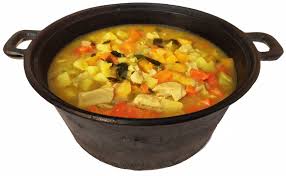
What is Cawl? Wales’s National Dish Explained
Cawl is a broth-based stew made with lamb (or sometimes beef), leeks, potatoes, swede and other root vegetables.
The word “cawl” itself simply means “broth” or “soup” in Welsh — the dish gets its identity from the quality of the ingredients, not from a fixed formula.
It is the closest thing Wales has to a national dish and has been cooked in Welsh farmhouses for at least 700 years. Unlike many national dishes that have been updated or stylised, cawl has barely changed — the ingredients available in a medieval Welsh farmhouse kitchen are almost identical to those in a 2026 supermarket.
Cawl is eaten in two ways: as a broth (the clear liquid served first, with bread) and as a main course (the meat and vegetables served separately in the second bowl). This two-course method is the traditional Welsh Sunday lunch approach — see the dedicated section below.
History of Cawl: 700 Years of the Welsh Kitchen
The first written record of cawl appears in a Welsh manuscript from around 1390 — making it one of the oldest continuously cooked dishes in Britain.
The dish developed as a practical solution to Welsh farm life. Welsh upland farms kept sheep and cattle for wool and dairy first, meat second — animals that died naturally or were past their productive years went into the pot. Long, slow cooking in a cast-iron cauldron over a peat fire was the standard method, and it suited tough, bony cuts perfectly.
Leeks — the national vegetable of Wales — feature in cawl because they were one of the few vegetables that could be grown reliably in Wales’s wet, cool climate and stored through winter. Their appearance in the pot gave Welsh cawl a clear identity distinct from similar English broths of the same period.
By the 18th and 19th centuries, cawl was the daily meal of Welsh industrial workers as well as farmers. Coal miners in South Wales and slate quarry workers in North Wales ate cawl from tin canisters reheated on stoves underground. The dish was cheap, filling and required only one pot.
The dish fell out of fashion among Welsh families during the mid-20th century as convenience food became available — but it returned strongly from the 1980s onwards, championed by Welsh chefs and food writers as the cornerstone of a distinct Welsh culinary identity.
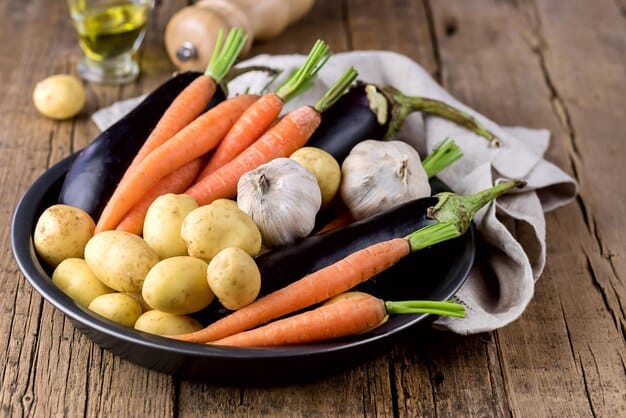
Traditional Welsh Lamb Cawl Recipe
Serves: 6–8 | Prep time: 20 minutes | Cook time: 3 hours
Use a bone-in cut for the best flavour — a lamb shoulder (on the bone) or a half leg is the traditional choice. The bone releases collagen into the broth as it cooks, giving the liquid body and depth that boneless lamb cannot match.
Ingredients:
1–1.2kg Welsh lamb shoulder, bone in
2 large leeks, trimmed and cut into 3cm rounds
3 medium carrots, peeled and cut into chunks
1 medium swede, peeled and cut into 3cm dice
4 medium floury potatoes (Maris Piper or King Edward), peeled and quartered
1 large onion, roughly chopped
3 celery sticks, roughly chopped
3 fresh thyme sprigs
2 bay leaves
1.5–1.8 litres cold water
Sea salt and white pepper
Fresh flat-leaf parsley, roughly chopped, to serve
Step 1 — Build the broth (Day 1 or morning): Place the lamb in a large, heavy pot. Cover with the cold water. Add the onion, celery, thyme and bay leaves. Bring slowly to the boil over a medium heat — this takes about 20 minutes. As it reaches boiling point, a grey foam will rise to the surface. Skim it off thoroughly using a ladle. This foam is protein from the lamb and removing it gives a clearer, cleaner-tasting broth. Once skimmed, reduce the heat to a very low simmer. The surface should barely move. Cook with the lid slightly ajar for 90 minutes.
Step 2 — Rest and strip the meat: Remove the lamb from the pot and set it on a board to cool for 15 minutes. Strain the broth through a fine sieve, discarding the cooked onion, celery and herbs — they have given their flavour. Return the strained broth to the pot. When the lamb is cool enough to handle, pull the meat from the bone in large pieces. Discard the bone and any large fat deposits. Return the lamb pieces to the broth.
Step 3 — Add the vegetables: Bring the broth back to a gentle simmer. Add the carrots and swede. Cook for 20 minutes. Add the potatoes. Cook for a further 20–25 minutes until the potatoes are just cooked through but still holding their shape.
Step 4 — Add the leeks last: Add the leeks in the final 8–10 minutes only. Leeks collapse and turn mushy if overcooked. They should be soft but still holding their round shape when the cawl is ready to serve. Season generously with salt and white pepper. Scatter with fresh parsley.
Step 5 — The next-day rule: Cawl is always better the next day. The fat from the lamb will solidify on the surface overnight in the fridge — skim it off with a spoon before reheating. The flavours deepen significantly after 24 hours. Many Welsh cooks make cawl two days before they plan to eat it for this reason.
The Two-Course Serving Method: Broth First, Then Meat
Traditional Welsh cawl is served as two separate courses from a single pot.
Course one — the broth: Ladle only the clear liquid into warmed soup bowls. Serve with thick slices of sourdough or white bread and a wedge of Caerphilly cheese. The cheese is crumbled into the broth as you eat — the heat of the liquid softens and melts it into the soup. This combination of hot lamb broth and cold crumbled Caerphilly is one of the defining tastes of Welsh food.
Course two — the meat and vegetables: Ladle the lamb pieces and vegetables into shallow bowls. Season again at the table. Serve with more bread.
This two-course method was a practical tradition — the broth was lighter and the heat of the first course warmed the stomach before the substantial meat and vegetables followed. It is still served this way at Welsh eisteddfodau, agricultural shows and community events across Wales.
Informal serving: Most home cooks today serve cawl as a single course — broth, meat and vegetables together in a deep bowl — which is equally traditional in many parts of Wales, particularly South Wales.
Cawl Variations: Beef Cawl and Vegetarian Cawl
Lamb cawl is the most recognised version, but cawl has always been made with whatever meat was available.
Beef cawl (Cawl Cig Eidion): Replace the lamb shoulder with 800g braising beef (shin or brisket, bone in if possible). The method is identical but the flavour is richer and darker. Beef cawl is more common in South and East Wales — the border counties where cattle farming has historically been stronger than sheep farming. Cook the beef for 2 hours before adding the vegetables as beef takes longer to become tender than lamb.
Vegetarian cawl: Use 1.5 litres of good vegetable stock instead of water. Double the leeks and swede. Add a small celeriac (peeled, diced) with the carrots. Add 200g of dried butter beans (soaked overnight and pre-cooked) for protein. The character of vegetarian cawl is different but it has its own identity — the leek and root vegetable combination works without the lamb once the seasoning is generous enough.
Smoked bacon cawl: Add 200g of smoked back bacon (cut into lardons) with the onion at the start of cooking. This adds a smoky depth to the broth and was a common way of extending the dish when meat was scarce.
Regional variations: In North Wales, parsnip is often added alongside the swede. In West Wales, some versions include pearl barley (add 50g with the carrots — it thickens the broth naturally as it cooks). In the south, the broth is more commonly served all together rather than as two courses.
Tips for the Best Cawl Every Time
Use bone-in lamb. The bone is what gives the broth its body and flavour. Boneless lamb shoulder will work but the broth will be thinner.
Skim thoroughly. The grey foam that rises in the first 20 minutes is protein. If you don’t skim it off, the broth will be cloudy and slightly bitter. Take 5 minutes to do this properly — it makes a significant difference.
Never boil the broth hard. A rolling boil makes the meat tough and the broth cloudy. The surface should barely tremble — a few lazy bubbles, nothing more.
Season at the end, not the beginning. As the broth reduces and concentrates during cooking, salt added early can make the finished dish too salty. Season at the end once the flavour is fully developed.
Add leeks last. 8–10 minutes before serving, no earlier. Leeks that have cooked for an hour turn mushy and lose their flavour. They should be tender but still holding their shape.
Make it the day before. Cawl made one or two days ahead and gently reheated is measurably better than cawl made and eaten the same day. The collagen from the bone gels overnight, thickening the broth slightly, and the flavours from the lamb and vegetables fully integrate.
Use Welsh lamb if you can. Welsh lamb carries PGI (Protected Geographical Indication) status. It is available in most UK supermarkets — look for the red dragon label on the packaging.
What to Serve with Cawl: Bread, Cheese and Accompaniments
Cawl needs very little alongside it — it is a complete meal in a pot.
Bread: Thick slices of sourdough or white tin loaf are the most traditional accompaniment. The bread is used to soak up the broth. Crusty rolls also work well.
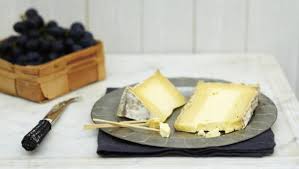
Caerphilly cheese: This is the essential pairing. Caerphilly is a mild, crumbly, slightly acidic Welsh cheese — its sharpness cuts through the richness of the lamb broth. Serve a wedge on the side for crumbling into the broth. It is traditionally served cold, straight from the fridge. Caerphilly is widely available in UK supermarkets and cheese shops.
Butter: Welsh salted butter on the bread alongside the broth. Nothing more is needed.
Drinks pairing: A glass of Welsh ale works well with cawl — the bitterness of the ale complements the fat from the lamb broth. For wine, a light red such as a Côtes du Rhône or a Beaujolais Villages works without overpowering the delicate broth.
For more Welsh recipes to cook at home, see our Welsh Recipes guide.
Frequently Asked Questions: Cawl
How do you pronounce cawl?
Cawl is pronounced “cowl” — rhyming with “owl.” The “aw” in Welsh is a long vowel sound, similar to the “ow” in “owl” or “bowl.” It does not rhyme with “call” or “crawl.”
What is the difference between cawl and Irish stew?
Both dishes are lamb-based broths with root vegetables, but there are clear differences. Cawl uses leeks as a key ingredient — leeks are rarely found in Irish stew. Traditional Irish stew uses only mutton (or lamb), onions and potatoes, with no other vegetables and no herbs. Cawl also typically uses swede and carrots, and the broth is lighter and more herb-forward. The two-course serving method is unique to Welsh cawl.
Can you freeze cawl?
Yes. Allow the cawl to cool completely, then freeze in portions for up to 3 months. Defrost overnight in the fridge and reheat gently on the hob. Note that the potatoes may become slightly soft in texture after freezing and reheating — this does not affect the flavour but some cooks prefer to leave the potatoes out before freezing and add fresh ones when reheating.
Is cawl the same as Welsh lamb stew?
They are closely related but not identical. Cawl is always broth-based — the liquid is as important as the meat and vegetables, and it is served as soup or broth first in the traditional two-course method. Welsh lamb stew tends to have a thicker, reduced sauce rather than a clear broth. Cawl is also defined by its leek content and the slow cooking method using bone-in lamb.
Where can I eat cawl in Wales?
Cawl is served in pubs and cafés across Wales, particularly in rural areas and at Welsh events such as eisteddfodau and agricultural shows. It appears on menus year-round, though it is most commonly served from October to March. Many of the destination guides on Wales.org include specific restaurant recommendations — see the food sections of our Eryri (Snowdonia), Caerdydd (Cardiff) and Pembrokeshire guides.

Nick, your trusted guide to Wales travel and exploration, shares a deep passion for this enchanting land. With years of exploration, Nick offers expert insights into the best of Wales. Join him on a journey through its captivating history, culture, and hidden gems, as he inspires you to create unforgettable Welsh travel experiences.
Planning a trip to Wales?
Find the perfect holiday cottage for your Welsh adventure.



 Share icon below and select Add to Home Screen to install the free app.