


Farm Holidays in Wales: The Complete 2026 Visitor Guide
Farms are the beating heart of the Welsh countryside. Covering over 80% of the nation’s landmass, agriculture shapes the stunning nature and landscapes that draw millions of visitors to Wales every year. But rather than just driving past the rolling pastures and grazing sheep, a growing number of visitors are choosing to immerse themselves entirely by booking a farm stay in Wales.
A farm holiday provides a perfect, grounding escape from the hustle and bustle of modern life. It offers families the chance to unplug and show children exactly where their food comes from, while providing couples with deeply romantic, secluded retreats in luxury barn conversions under the darkest skies in Britain. From historic 17th-century farmhouses nestled in the valleys of Bannau Brycheiniog (the Brecon Beacons), to coastal sheep farms perched on the wild cliffs of Pembrokeshire, farm holidays open the door to authentic rural living.
🚜 Welsh Farm Stays at a Glance
- Accommodation Types: Working farm holidays, luxury barn conversions, traditional B&Bs, and agricultural glamping sites.
- Top Regions: The Cambrian Mountains, Eryri (Snowdonia), Carmarthenshire (The Garden of Wales), and the Isle of Anglesey.
- Average Costs: Ranging from £80/night for a traditional farmhouse B&B room, up to £1,500+/week for a luxury, large-group barn conversion with a hot tub.
- Peak Experiences: Spring lambing (February–April), summer harvesting, and autumn foraging.
- Best For: Young families seeking hands-on animal experiences, couples wanting off-grid isolation, and foodies looking to experience traditional Welsh food from field to fork.
- Dog-Friendly: Many are dog-friendly, but strict rules apply regarding livestock. Dogs must be kept on leads at all times near sheep and cattle.
This comprehensive 2026 guide covers everything you need to know about booking a Welsh farm stay. We will explore the different types of rural accommodation, exactly what to expect during a working farm holiday, the best seasons to visit (including the highly popular spring lambing season), and essential etiquette for navigating the countryside safely.
Understanding the Types of Farm Accommodation
The term “farm stay” is broad. Before booking, it is crucial to understand exactly what kind of experience you are paying for. A fully operational, muddy-boots dairy farm offers a radically different holiday compared to a sleek, modern barn conversion on a former agricultural estate.
← Swipe left and right to view the full table →
| Type of Farm Stay | What It Involves | The Vibe | Best Suited For |
|---|---|---|---|
| Working Farm Holiday | You stay on an active, commercial farm (usually in a cottage or static caravan). Guests can often watch milking, help feed chickens, or bottle-feed lambs. | Authentic, educational, muddy, and lively. Tractors will be moving early! | Families with children, animal lovers, and educational trips. |
| Luxury Barn Conversion | Historic agricultural outbuildings (barns, stables, dairies) renovated to five-star standards, often featuring underfloor heating, log burners, and hot tubs. | High-end, secluded, romantic, and deeply relaxing. | Couples, romantic breaks, and multi-generational family gatherings. |
| Farmhouse B&B | Renting a room inside the farmer’s actual home. Includes a hearty, home-cooked Welsh breakfast using local or home-reared produce. | Welcoming, traditional, and highly personal. | Solo travellers, walkers, and short-weekend visitors. |
| Agricultural Glamping | Shepherd’s huts, yurts, or safari tents pitched in a quiet corner of a farmer’s field, usually with private fire pits and outdoor showers. | Off-grid, adventurous, and close to nature. | Couples, stargazers, and eco-conscious travellers. |
The Magic of a Working Farm Holiday (For Families)
For children who have grown up in cities or suburbs, a working farm holiday is nothing short of magical. Reading about animals in books is one thing; waking up to the sound of a rooster, pulling on wellington boots, and walking out to collect freshly laid eggs for your own breakfast is a memory that lasts a lifetime.
If you specifically book a working farm holiday in Eryri (Snowdonia) or Mid Wales, you are stepping into the farmer’s workplace. Many hosts actively encourage guests to get involved safely. Depending on the farm, morning routines might include:
- Feeding the Animals: Helping the farmer feed bucket-reared calves, tossing grain to free-range poultry, or feeding the farm pigs.
- Egg Collecting: A daily favorite for toddlers and young children.
- Meeting the Working Dogs: Watching highly trained Welsh Sheepdogs or Border Collies effortlessly round up flocks of sheep across the hillsides.
- Farm Tours: Taking a bumpy ride on the back of a tractor or trailer to check on distant livestock.
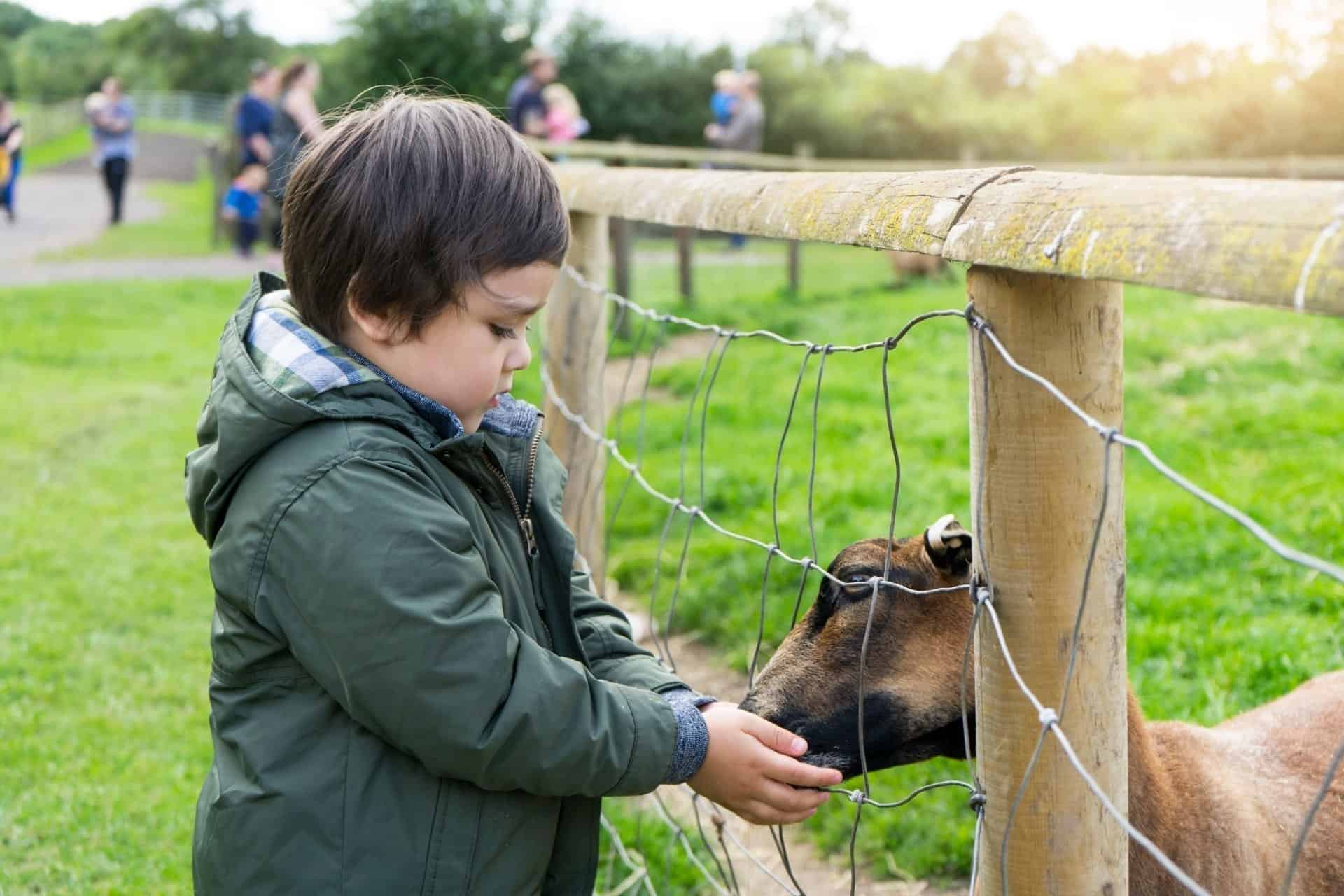
It is important to remember that working farms are bound by strict health and safety regulations. Children must always be supervised, hand-washing after touching animals is mandatory, and you must respect the farmer’s instructions regarding which areas are off-limits (such as machinery sheds or fields with nursing livestock).
Luxury and Romantic Farm Escapes (For Couples)
Farm stays are not solely about mud and livestock. In recent years, Welsh farmers have diversified by transforming historic, unused stone barns into some of the most spectacular holiday cottages in the UK.
These luxury conversions carefully preserve the agricultural heritage of the building—think exposed oak beams, original slit windows, and thick stone walls—while integrating modern luxuries. It is incredibly common to find farm stays equipped with private hot tubs overlooking sweeping valleys, freestanding copper bathtubs, and massive inglenook fireplaces with endless supplies of farm-chopped logs.
Because farms are inherently isolated, they offer a level of privacy that traditional hotels cannot match. If you book a barn conversion in the Elan Valley or the rural fringes of Carmarthenshire, your only neighbors might be a flock of Welsh Mountain sheep. This isolation also provides access to some of the most unpolluted night skies in Europe, making them the ultimate destination for romantic stargazing breaks.
🌐 Spotlight: The Welsh Countryside & Agriculture
To truly understand and respect the landscapes you are visiting, we highly recommend checking these official resources before your farm stay. They provide invaluable context on rural Welsh life, conservation, and safety:
- The Countryside Code: Essential reading for anyone visiting rural Wales, detailing how to protect nature, respect local communities, and interact safely with livestock. Read the Official Welsh Government Countryside Code.
- Visit Wales (Rural Escapes): The official national tourism board offers excellent inspiration for sustainable, rural travel across the country. Explore Visit Wales.
- NFU Cymru: The National Farmers’ Union in Wales champions the people who produce the nation’s food. Their site is a great resource for understanding the realities of modern Welsh farming. Visit NFU Cymru.
A Seasonal Guide to Welsh Farm Holidays
Unlike a standard beach holiday, the experience of a farm stay changes drastically depending on the month you visit. Agriculture is dictated entirely by the seasons.
Spring (March to May): The Lambing Season
Spring is arguably the most popular time to book a farm stay in Wales, largely due to lambing season. Wales is famous for its sheep farming, and from late February through April, the hills are alive with newborn lambs. Many farms offer “Lambing Experience” weekends where guests can help bottle-feed orphan lambs (known as ‘pet lambs’) in the barns. It is an exhausting time for farmers, but a magical, highly educational time for visitors. Note: Pregnant women are strongly advised by health authorities to avoid contact with sheep during lambing season due to specific infection risks.
Summer (June to August): Harvesting and Long Evenings
Summer brings long, warm days perfect for outdoor living. This is the season for haymaking and silage harvesting. You will see tractors working late into the golden hour to bring the crops in before the rain. It is the ideal time for cooking outdoors on the barbecue, taking long scenic walks right from your farmhouse door, and enjoying the peak abundance of local produce.
Autumn (September to November): Foraging and Fairs
As the bracken on the hills turns a deep, fiery orange, autumn farm stays are about coziness. This is the time for foraging blackberries in the hedgerows, collecting fallen apples, and attending local agricultural shows and harvest festivals. The weather cools down, making it the perfect season for intensive mountain biking or hiking before returning to a roaring log fire.
Winter (December to February): Dark Skies and Deep Peace
Winter on a Welsh farm is raw, dramatic, and deeply peaceful. While the animals are often brought indoors to the barns to shelter from the weather, the landscape takes on a stark beauty. This is the season to book a thick-walled cottage, sink into a hot tub while the frost settles, and enjoy the unparalleled clarity of the winter night sky in designated Dark Sky Reserves.

Regional Breakdown: Where to Book Your Farm Stay
The geography of Wales is diverse, and the type of farming—and therefore the type of farm holiday—changes depending on the region you choose.
← Swipe left and right to view the full table →
| Welsh Region | Landscape & Farming Style | Best Nearby Activities | Iconic Base Towns |
|---|---|---|---|
| Eryri (Snowdonia) & North Wales | Rugged, steep mountain terrain. Dominated by hardy Welsh Mountain sheep and cattle. Spectacular, dramatic views. | Mountaineering, slate mine exploring, and riding historic steam trains. | Beddgelert, Betws-y-Coed, Llanberis |
| Bannau Brycheiniog (Mid Wales) | Rolling green hills, deep river valleys, and sweeping moorland. A mix of sheep, beef, and arable farming. | Waterfall walks, stargazing, horse riding, and canal boating. | Talybont-on-Usk, Brecon, Crickhowell |
| Pembrokeshire Coast | Coastal plateau farming. Arable crops (famous for early potatoes) and coastal grazing sheep. | Walking the Coast Path, surfing, and visiting dog-friendly beaches. | Tenby, St Davids, Newport |
| Carmarthenshire | Lush, fertile river valleys. Heavily focused on dairy farming and local produce. Known as the ‘Garden of Wales’. | Touring the impressive local castles and botanical gardens. | Llandeilo, Carmarthen, Laugharne |
Field to Fork: The Culinary Aspect of a Farm Stay
You cannot truly experience rural Wales without tasting it. One of the greatest joys of a farmhouse holiday is the proximity to incredible, low-mileage food.
If you stay in a traditional B&B, your morning will likely begin with a cooked breakfast featuring thick-cut bacon from the local butcher, eggs laid by the hens outside your window, and locally baked bread. If you are self-catering in a barn conversion, take advantage of the local farm shops. Pick up famous Welsh ingredients like Salt Marsh Lamb (reared on the coastal estuaries of the Gower Peninsula or Anglesey), traditional Caerphilly cheese, and fresh cockles.
Many farm hosts will leave a welcome basket for guests, often including homemade Welsh Cakes cooked on a bakestone, or a loaf of Bara Brith (a traditional speckled tea bread). To learn more about the national cuisine, read our full guide to Welsh food.
🥾 Practical Tips for Farm Holidays (The Countryside Rules)
Staying on a farm requires a little more awareness than staying in a town hotel. Keep these rules in mind to ensure a safe, respectful holiday:
- The Gate Rule: The golden rule of the countryside—always leave a gate exactly as you found it. If it was closed, close it behind you. If it was tied open, leave it open.
- Dogs on Leads: While many farms are dog-friendly, it is a criminal offence to let your dog chase or worry livestock. Keep dogs on a short lead whenever walking through fields containing sheep, cows, or horses.
- Cow Awareness: If you are walking through a field of cows and they approach you (especially if you have a dog), do not panic. Walk calmly. If they become aggressive, let your dog off the lead—the cows will chase the dog (who can easily outrun them), allowing you to exit the field safely.
- Appropriate Footwear: Farms are muddy, even in summer. Pack sturdy wellington boots for walking around the farmyard, and proper hiking boots for the trails.
- Driving on Rural Lanes: Farm access roads are often single-track. Be prepared to reverse to a passing place, and always give way to large agricultural machinery like tractors and combine harvesters.
🏠 Explore Other Accommodation Types
If a farm stay isn’t quite right for your group, Wales has hundreds of other exceptional options. Compare them here:
- Glamping in Wales — Luxury yurts, pods, and safari tents.
- Holiday Cottages — Coastal apartments, village houses, and rural escapes.
- Traditional Camping — Pitch your tent under the stars.
- Campervan Sites — The best spots to park up in the mountains.
🗺️ Plan Your Days Out
Use your farmhouse as a base camp to explore everything the country has to offer. Find inspiration for your itinerary:
- Family Days Out in Wales — Heritage railways, zoos, and cultural sites.
- Walking and Hiking Trails — From mountain peaks to coastal strolls.
- Exploring Welsh Castles — Step back in time to the medieval era.
- Events in Wales — Check our calendar for local agricultural shows and food festivals.
- Interactive Map of Wales — Plot your driving route and find nearby attractions.
🗣️ Welsh Language Survival Guide: Farm Edition
The Welsh language (Cymraeg) is a living, breathing language, heavily spoken in rural areas and farming communities across the country. Your farm hosts will be thrilled if you try out a few agricultural words!
- Fferm (Pronounced: Ferm) — Farm
- Ffermwr (Pronounced: Ferm-oor) — Farmer
- Dafad / Defaid (Pronounced: Dav-ad / Dev-ide) — Sheep (Singular / Plural)
- Ci Defaid (Pronounced: Kee dev-ide) — Sheepdog
- Buwch (Pronounced: Bee-oock – with a hard ‘ch’ like loch) — Cow
- Mochyn (Pronounced: Mock-in) — Pig
- Bore da (Pronounced: Bore-eh dah) — Good morning
- Diolch (Pronounced: Dee-olch) — Thank you
Frequently Asked Questions: Farm Holidays in Wales
What do you actually do on a farm holiday?
It depends entirely on the type of farm and your preferences. On a working farm, you can often shadow the farmer, help feed animals, collect eggs, and learn about agriculture. Alternatively, if you book a luxury farm barn conversion, you might simply use the property as a peaceful, private base for walking, reading, cooking, and relaxing in a hot tub away from the crowds.
Is it safe to bring toddlers on a working farm stay?
Yes, working farm holidays are incredibly popular for families with toddlers, provided you supervise them closely. Farms are working environments with heavy machinery and large animals. However, hosts who accept guests usually have designated safe areas for children to interact with docile animals (like poultry or pet lambs). You must ensure toddlers wash their hands thoroughly with soap and water after touching any animals or farm gates to prevent illness.
Can I bring my dog to a farm stay?
Many farm stays in Wales are extremely dog-friendly and welcome well-behaved pets. However, because farms have livestock, the rules are strict. Your dog must be kept on a lead at all times when outside the immediate enclosed garden of your cottage, as sheep worrying is a serious issue. Some working farms with highly sensitive livestock or working sheepdogs may operate a strict “no pets” policy, so always read the fine print before booking.
When is the best time to see baby animals on a Welsh farm?
If your primary goal is to see newborn animals, you should book your trip for the spring. The Welsh lambing season generally runs from late February through to the end of April. Many farms offer dedicated “lambing holidays” where guests can watch lambs being born and assist with bottle-feeding the orphans.
Do farm stays have Wi-Fi and mobile signal?
Most modern farm holiday cottages and B&Bs have installed broadband Wi-Fi for guests. However, due to the deeply rural locations—especially in the valleys of Eryri (Snowdonia) or the Cambrian Mountains—the speeds may not be fast enough for heavy streaming or video calls. Mobile phone signal on the farm and the surrounding country lanes is often very patchy or entirely non-existent. It is best to view a farm stay as a chance for a digital detox.

Pembrokeshire-born travel writer and founder of Wales.org. Born in Haverfordwest, now based in Hertfordshire — covering Welsh castles, national parks, festivals and family staycations across all 22 Welsh counties.