


Best Beaches in Wales 2026: North, West and South Wales Guide
Wales has over 500 beaches along 1,200 miles of coastline — from the sheltered sandy bays of Anglesey to the Atlantic-facing surf beaches of Pembrokeshire and the limestone coves of the Gower Peninsula.
This guide covers the best beaches in Wales by region for 2026, with practical detail on access, parking, facilities and what each beach does best — whether that is swimming, surfing, walking or simply sitting with a flask and watching the sea.
Best Beaches in North Wales
North Wales beaches range from the grand Victorian promenades of Llandudno and Rhyl to the remote, near-empty coves of the Llŷn Peninsula and the clear turquoise bays of Anglesey. The north coast faces the Irish Sea — calmer and warmer in summer than the Atlantic-facing west.
Licence: Crown Copyright
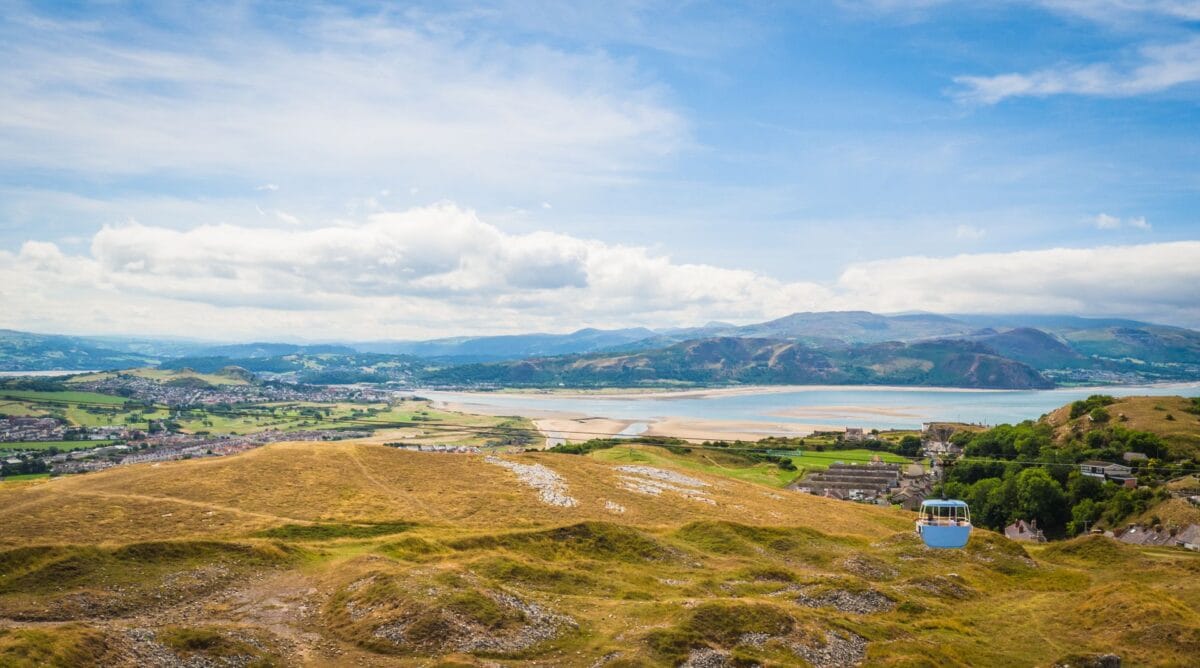
Llandudno North Shore (LL30 1BB)
Overview: The most complete beach resort in Wales — a 2-mile sweep of North Shore beach backed by a full Victorian promenade, a Grade II-listed pier and the Great Orme headland at the western end. The beach faces northeast, which means calmer water in most wind conditions. It is the best all-weather beach town in North Wales — the promenade, shops and cafés mean there is always something to do even if the sea is rough.
Parking and Access: Multiple car parks within 5 minutes walk of the beach, including the large Mostyn Street car park near the pier. Pay and display charges apply (expect to pay around £5–£7 for a full day). You can pay at the machines or via the local council’s parking app. The promenade is fully accessible by wheelchair and pushchair. The beach itself is flat and sandy at mid-tide — firm enough to walk on easily.
Visitor Info: The pier has a traditional amusement deck and café — worth a walk to the end even if the slot machines are not your thing. The Great Orme Tramway departs from near the pier and climbs to 207m for panoramic views. Adult return fares are typically around £11 to £12 depending on the season, with discounts available for children. Dogs are welcome on the beach year-round — the western end near the Orme is quieter than the central stretch. The West Shore (the other side of town) is entirely dog-friendly and much less busy, with views across the Conwy Estuary.
Lligwy Bay, Anglesey (LL71 8AH)
Overview: The best family beach on Anglesey — a wide, sheltered sandy bay on the northeast coast with shallow water, clear sea and a small car park that does not fill as quickly as the more famous spots. The beach faces northeast, sheltered from the prevailing westerlies. Rockpools to the south of the main bay are excellent at low tide. Nearby Moelfre village has a genuine working harbour and lifeboat station — worthwhile as a short detour after the beach.
Parking and Access: There are two private, ANPR-monitored pay-and-display car parks situated directly at the beach (north and south ends). Charges apply and typically range from £1–£2 for a quick visit up to £7–£8 for a full 12-hour day, depending on which side you park. The path down is manageable for most buggies but not suitable for wheelchairs. There is a popular licensed café right on the beach serving pizzas, snacks, and ice cream. Moelfre village (1 mile) also offers a pub and additional cafés.
Visitor Info: Lligwy is significantly less busy than Benllech (the nearest large beach resort) — the smaller car park naturally limits numbers. Arrive before 10am on summer weekends to guarantee a space. The sea here is as clear as anywhere on Anglesey — the northeast coast generally gets cleaner water than the Menai-facing beaches. Dogs are welcome year-round. For the full Anglesey beaches guide, see Anglesey Destination Guide.
Aberdaron Beach, Llŷn Peninsula (LL53 8BE)
Overview: A wide, curved sandy bay at the very tip of the Llŷn Peninsula — the last village before the sea crossing to Bardsey Island. The beach is backed by low dunes and a stream crossing — simple, undeveloped and genuinely remote-feeling despite the facilities in the village. It faces southwest into Bardsey Sound, which means it can get surf on westerly swells. The village itself has a bakery, two pubs and a National Trust café in a converted medieval building.
Parking and Access: The main parking is at the National Trust Porth y Swnt car park in the centre of the village, just a short walk from the beach. The pay and display machines accept coins or the JustPark app, and parking is free if you are a National Trust member. The beach is easy to access across a flat sandy track — suitable for most pushchairs.
Visitor Info: Aberdaron is 25 miles from Pwllheli — the drive takes 40 minutes on narrow lanes. Allow time for the journey rather than assuming it is a quick detour from the main road. Y Gegin Fawr (The Big Kitchen) on the village square is a National Trust café in a building dating from the 14th century — a pilgrim resting house on the route to Bardsey Island. Worth stopping in. For more on the Llŷn Peninsula, see Llŷn Peninsula Guide.
Best Beaches in West Wales and Pembrokeshire
Pembrokeshire has the best beaches in Wales by most measures — Atlantic-facing bays with clean water, white sand, sea caves and a National Park designation that has kept the coastline largely undeveloped. The water quality here is consistently among the highest in Britain, with the county currently boasting 10 Blue Flag awards—the highest count of any region in Wales.
Licence: Crown Copyright
Barafundle Bay, Pembrokeshire (SA71 5LS)
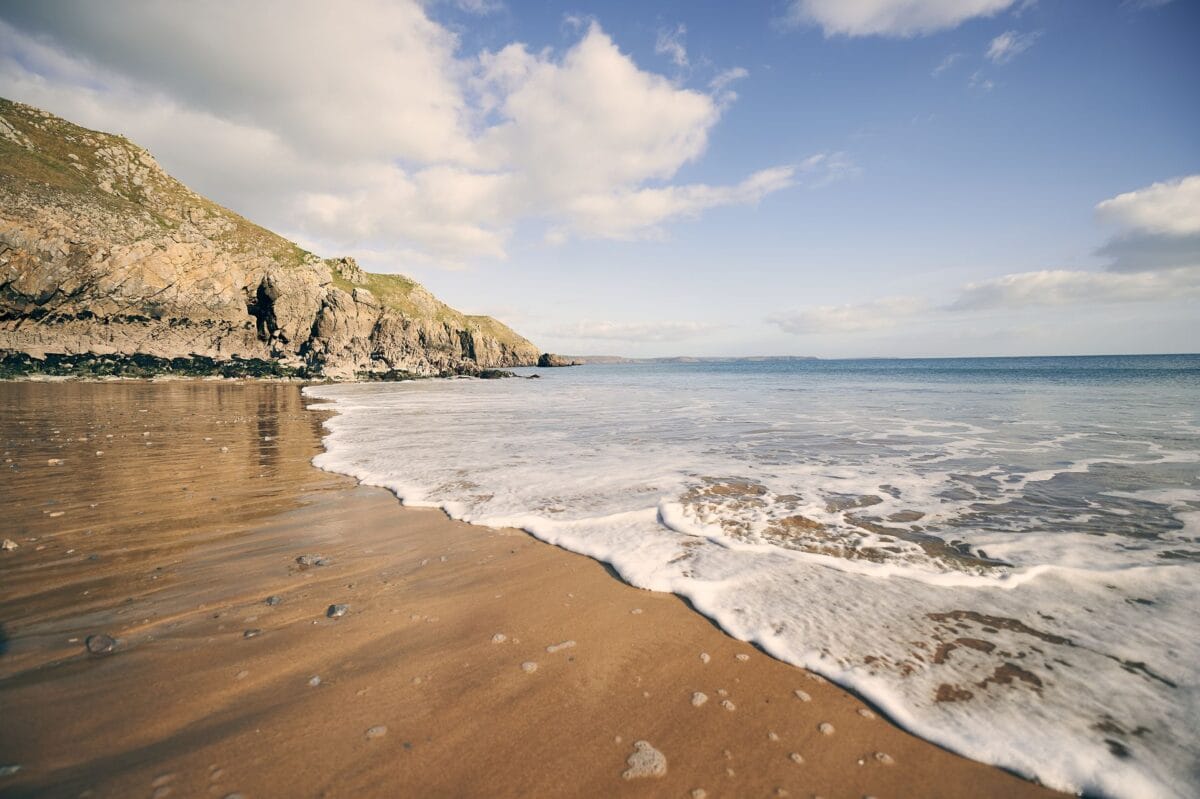
Overview: Frequently listed among the best beaches in Britain — a sheltered, south-facing bay with golden sand, clear water and no road access. The only way in is on foot along the Coast Path from Stackpole Quay car park — approximately 800 metres each way along a clifftop path with steps. No café, no car park, no ice cream van. What it has is outstanding natural scenery and water quality that makes it worth every step.
Parking and Access: Park at the Stackpole Quay National Trust car park (SA71 5LS). National Trust parking is generally around £6–£8 for a full day. Parking is free for National Trust members, so remember to bring your card to scan at the machines. The walk to the beach involves steep stone steps and a stretch of sandy path through the dunes—it is not suitable for wheelchairs or most pushchairs. There are absolutely no facilities at the beach itself. However, the car park has public toilets and The Boathouse Tea-room, a fantastic seasonal café right at Stackpole Quay.
Visitor Info: The car park fills by 10am on summer weekends — arrive before 9am or after 4pm. Bring everything you need including food, water and a bag for your litter. There are no bins at the beach. Dogs are permitted year-round. The bay is part of the Stackpole Estate — the surrounding area is excellent for coasteering and the lily ponds at Bosherston (1 mile) are worth combining into the visit.
Whitesands Bay, near Tyddewi (SA62 6PS)
Overview: The closest beach to Tyddewi (St Davids) and the best all-round beach in Pembrokeshire — a wide Blue Flag bay facing directly northwest into St Brides Bay with consistent surf, a lifeguarded swimming area and a car park right behind the dunes. The view from the beach across to Ramsey Island is one of the finest coastal views in Wales. At low tide the sand extends for nearly a mile — there is room for everyone even in high summer.
Parking and Access: There is a large pay-and-display car park directly behind the beach. Seasonal parking charges apply (typically £5–£7 for a full summer day). Public toilets and a fantastic café, Whitesands Beach House, are located right at the car park. The beach is flat and accessible at mid-tide — manageable for pushchairs across the sand. RNLI lifeguards operate daily throughout the peak summer season (late May to early September), with weekend patrols continuing until the October half-term. Always look for the red and yellow flags before swimming.
Visitor Info: The surf here is reliable in westerly winds — surf lessons are available from operators based in Tyddewi (St Davids), 2 miles away. The walk south along the Coast Path to Porthmelgan (20 minutes, no facilities) leads to one of the wildest stretches of Pembrokeshire cliff — excellent if you want to escape the crowds after your swim. Dogs are restricted to the north end of the beach between May and September.
Newport Sands, Pembrokeshire (SA42 0TH)
Overview: A wide, easily accessible Blue Flag beach at the mouth of the Afon Nyfer estuary — calm and shallow at low tide, with a tidal stream crossing (usually ankle-deep) to reach the full extent of the sands. Newport town is 1 mile away and has a good range of independent cafés, pubs and food shops — unusually well-served for a beach this size. The beach faces north into Newport Bay, sheltered from the strongest Atlantic swell.
Parking and Access: There is a pay-and-display car park located directly at the beach. Seasonal parking charges apply (typically £5–£7 for a full summer day). Machines usually accept cards, but bringing coins is always a safe backup. Accessible toilets and seasonal refreshments (often a cafe or food van) are on site. The beach is flat and sandy, offering easy pushchair access down the slipway at mid-tide. RNLI lifeguards operate daily throughout the peak summer season—typically from late May (Spring Bank Holiday) to early September. Always look for the red and yellow flags before swimming.
Visitor Info: Newport is a fantastic practical base for exploring North Pembrokeshire if you want an alternative to Tyddewi (St Davids) — it is noticeably less busy in peak summer but still boasts a superb, high-quality choice of independent cafés, pubs, and restaurants. The Pembrokeshire Coast Path passes directly behind the beach, giving easy access to the cliffs in both directions without needing a car. Best of all for pet owners, dogs are welcome on the beach all year round.
Best Beaches in South Wales and the Gower
The Gower Peninsula was the first Area of Outstanding Natural Beauty designated in Britain (1956). Its south-facing beaches are sheltered from the north, warmer in summer than the Atlantic coast, and backed by limestone cliffs that create a series of dramatic coves and bays unlike anywhere else in Wales.
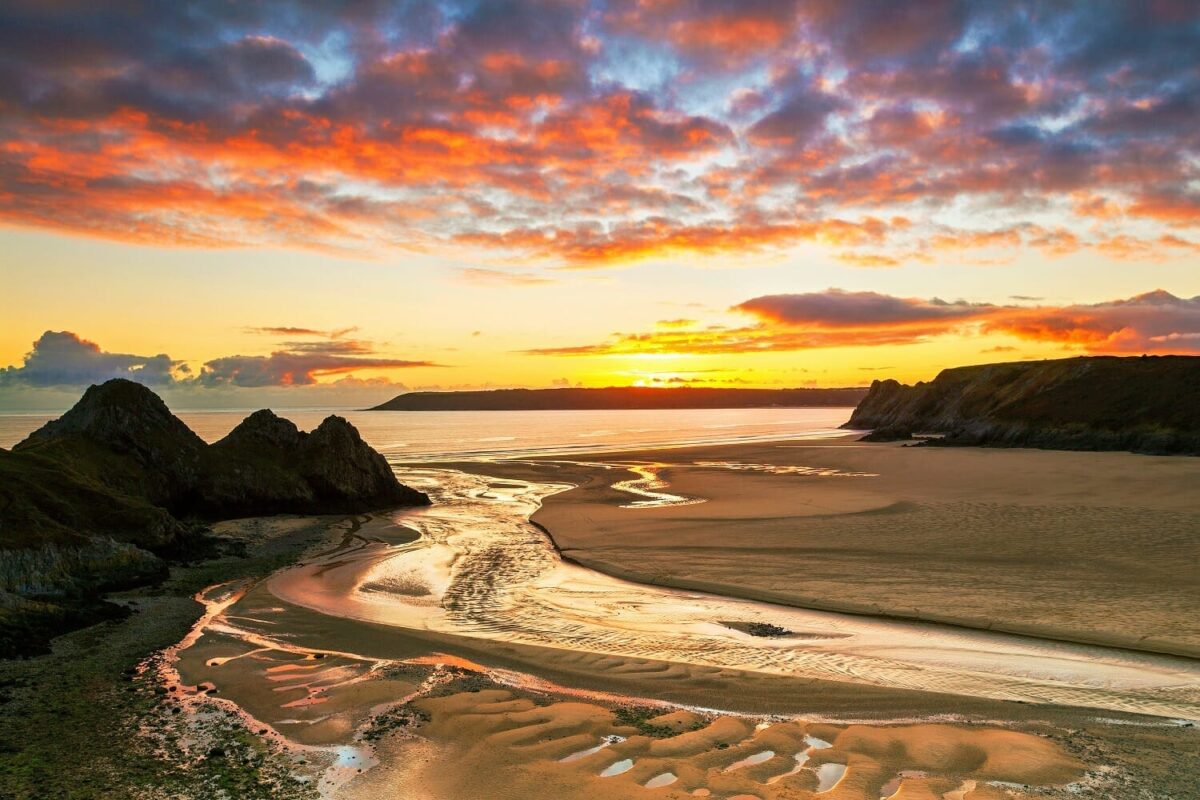
Three Cliffs Bay, Gower (SA3 2HB)
Overview: Three Cliffs Bay is Wales’s most photographed beach — three limestone arches at the eastern end, sand dunes rising behind the bay, a tidal river crossing in the middle and a ruined castle on the headland. No road access. No facilities at the beach. To reach it, park at Parkmill (SA3 2EH) and walk 1 mile through the Pennard Valley, crossing the Pennard Pill stream at low tide. It takes approximately 25 minutes each way. The effort is worth it entirely.
Parking and Access: Park at the Gower Heritage Centre or the private parking areas near Shepherds store in Parkmill (SA3 2EH). Please note this is not a National Trust car park; parking is privately run and typically costs around £3–£6 for a full day, depending on the season and which field you use. The walk to the beach crosses a tidal stream — check tide times before you go, as the crossing is knee-deep for an hour either side of high water. The path is uneven and not suitable for pushchairs or wheelchairs. There are no toilets or refreshments at the beach itself — however, the Gower Heritage Centre and Shepherds shop in Parkmill both have excellent facilities to use before you set off.
Visitor Info: Three Cliffs is best visited on a falling tide — arrive 2 hours after high water to get the stream at its shallowest and the most time on the beach before the tide rises again. The eastern end of the bay under the cliffs is completely sheltered from the wind. The walk back via Great Tor (the clifftop path) is steeper but gives outstanding views and takes the same time as the valley route. For the complete Gower beaches guide, see Gower Peninsula Guide.
Safety: The tidal stream crossing can become dangerous within 1 hour of high water — the water rises quickly and the sandy bottom is uneven. Always check a reliable tide table before visiting. Do not attempt the crossing if the water is above knee height.
Rhossili Bay, Gower (SA3 1PL)
Overview: A 3-mile straight beach facing directly southwest — the longest beach on the Gower and the best surf beach in South Wales. The beach is backed by the Rhossili Down ridge (193m) which catches the prevailing wind and creates a natural windbreak for the middle of the bay. At low tide the Helvetia shipwreck emerges from the sand at the northern end. Worm’s Head — a tidal island shaped like a sleeping dragon — closes off the southern end of the bay. The combination of scale, scenery and Atlantic exposure makes this the finest beach in South Wales.
Parking and Access: Park at the National Trust car park in Rhossili village (SA3 1PL). National Trust parking is generally around £6–£8 for a full day. Parking is free for National Trust members, so remember to bring your card to scan at the machines. The beach is accessed via a 10-minute walk down the cliff path from the village — steep in places, not suitable for pushchairs. A National Trust Visitor Centre, café, and toilets are located in the village at the car park. There are no facilities on the beach itself.
Visitor Info: The car park fills by 10am on summer weekends and bank holidays — arrive before 9am or use the overflow field. The walk along Rhossili Down above the bay takes approximately 1.5 hours return and gives the best views of the beach. Worm’s Head is accessible for 2.5 hours either side of low tide — the National Trust Visitor Centre has the crossing times posted daily. Good news for pet owners: dogs are welcome across the entire 3-mile stretch of the beach all year round. At low tide, be sure to look out for the iconic remains of the Helvetia, an 1887 shipwreck that emerges from the sand.
For the full Gower guide including all beaches and activities, see the Gower Peninsula page.
Merthyr Mawr Beach, Bridgend (CF32 0LN)
Overview: One of the largest sand dune systems in Europe sits behind this beach — Warren Dunes, reaching over 30 metres in height. The beach at the base of the dunes is wide, flat and sandy at low tide with the Ogmore River entering the sea at the southern end. The dunes themselves are a National Nature Reserve — the Great Desert of Wales, as they are sometimes called. Scrambling to the top of the highest dunes gives views across the Bristol Channel to Exmoor on clear days.
Parking and Access: Park at Candleston Car Park (CF32 0LS), located at the very end of the lane past Merthyr Mawr village. Please note this car park is not free; it is a privately operated, ANPR-monitored pay-and-display car park (typically around £1.50 for a short stay or £5 for a full day, with card payments accepted). Be aware that the access road is a very narrow single lane and can become heavily congested in summer. From the car park, it is a 15-minute walk through the dunes to the beach. There are no facilities at the beach itself. The village of Ogmore-by-Sea (1 mile south) has a café and toilets.
Visitor Info: Merthyr Mawr is largely unknown outside South Wales — even on summer weekends it is significantly quieter than the Gower beaches. The dunes are a working National Nature Reserve and some areas are fenced off seasonally — stay on the marked paths through the restricted sections. Dogs are welcome year-round. This beach is excellent for a winter walk when everywhere else on the coast is windswept and exposed — the dunes provide natural shelter.
Blue Flag Beaches in Wales 2026
Blue Flag is the internationally recognised award for beach water quality, safety, environmental management and facilities. Wales consistently holds more Blue Flag awards per mile of coastline than the UK national average — with Pembrokeshire and the Gower leading the count.

What Blue Flag Means
Overview: Blue Flag beaches must pass 32 strict criteria across four categories: water quality, environmental education and information, environmental management, and safety and services. Water quality is the most demanding test — all Blue Flag beaches in Wales must pass stringent standards for bacterial and chemical contamination, with testing carried out regularly throughout the swimming season. A Blue Flag beach is a safe swimming beach with clean, tested water.
Current Status: The official Blue Flag awards are announced annually in May by Keep Wales Tidy, so the 2026 list will be confirmed then. While Anglesey historically held many flags, local councils in the northwest recently withdrew from the scheme, meaning there are currently no Blue Flag beaches on the island. Today, Pembrokeshire dominates the Welsh list, boasting 10 of Wales’s 21 Blue Flag beaches in 2025. Outstanding spots on the current list include Whitesands, Newgale, Saundersfoot, and the Tenby beaches (North, South, and Castle).
Visitor Info: Blue Flag is not the only water quality award. Keep Wales Tidy also runs the Seaside Award (for well-managed beaches with good facilities) and the Green Coast Award. The Green Coast Award specifically recognises “hidden gems”—beautiful, rugged beaches that have excellent water quality but lack the infrastructure of traditional resorts. Some excellent beaches don’t hold Blue Flag status simply because they have no facilities, not because the water quality is lower. However, for family swimming, a Blue Flag beach gives the highest confidence in both water quality and safety amenities.
Tenby Beaches, Pembrokeshire (SA70 7EX)
Overview: Tenby has four beaches — North Beach, South Beach, Castle Beach and Harbour Beach — all within easy walking distance of the medieval town walls. South Beach is the longest at over a mile and consistently holds Blue Flag status. North Beach is better for swimming at low tide. Castle Beach is sheltered and calm — the best option in fresh onshore winds. The town itself is one of the best-preserved medieval walled towns in Wales.
Parking and Access: Multiple car parks in and around Tenby town — the Upper Park Road car park (SA70 7ET) is closest to South Beach. Seasonal pay-and-display rates apply (expect to pay around £6–£8 for a full day). Tenby is a popular tourist town, and parking becomes very limited in July and August. The train station is a 10-minute walk from South Beach — arriving by train avoids the parking problem entirely. Trains run regularly (typically every two hours) on the Transport for Wales line, making it a relaxed, traffic-free way to arrive.
Visitor Info: Tenby is busiest in July and August — North Beach fills first as it is closer to the town centre. South Beach is significantly more spacious. Boat trips to Caldey Island (a working monastery with a chocolate shop and perfumery) depart from Tenby Harbour throughout the summer. Boats typically run from Easter to October, Monday to Saturday (the island is closed to visitors on Sundays). Departures are frequent, starting from around 10:00 am, and tickets can be purchased on the day at the Caldey Island Kiosk in the harbour.
For full Pembrokeshire coverage including the wider range of beaches and activities, see Pembrokeshire Destination Guide.
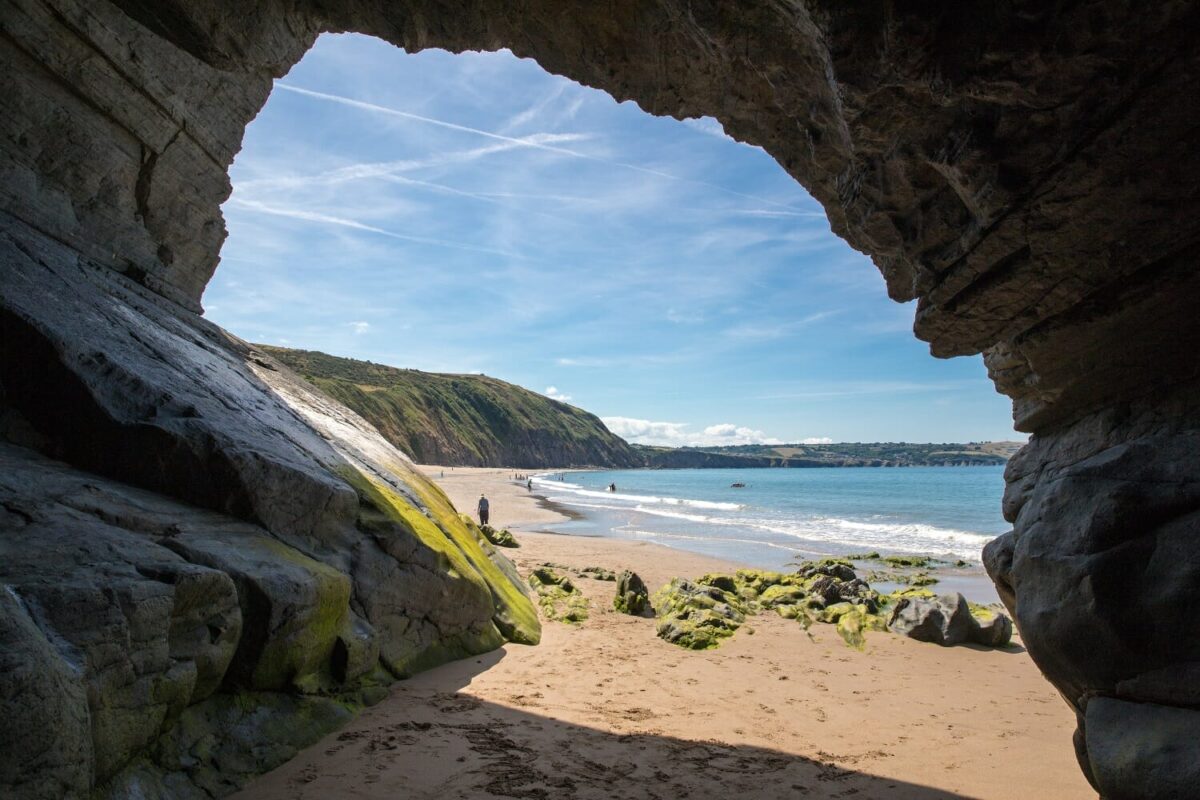
Wales Beach Season: When to Visit
Wales beaches are worth visiting year-round — but the experience changes considerably by season. Choosing the right time depends on what you are there for.
June to August: Peak Summer
Overview: The warmest sea temperatures (typically 16–18°C in Pembrokeshire, 14–16°C in North Wales by August), lifeguard patrols on all major beaches, cafés and facilities open, maximum daylight hours. Also the most crowded period — Tenby, Llangennith, Newgale and Rhossili all attract significant visitor numbers. Car parks fill early. July and August are school holiday months — add 2 hours to any journey time estimate to popular beaches.
Planning Tip: Arrive before 9am or after 4pm on summer weekends at any car park serving a popular beach. National Trust beaches (like Rhossili and Barafundle) have a fixed number of spaces — once full, the car park closes No overflow parking is typically available. Weekdays in June are noticeably less crowded than Saturdays and Sundays.
September to October: Best Value Season
Overview: September is the best month for most beaches in Wales. Sea temperatures are at their annual peak (often warmer than August due to accumulated heat in the water). The crowds drop significantly after the school year starts. Lifeguard patrols continue on major beaches into September. Atlantic swells begin to arrive in earnest — Pembrokeshire and the Gower surf beaches come into their best form. Most cafés, accommodation and ferry services remain open through October.
Visitor Info: Dog restrictions are lifted from most beaches on 1 October — if you are travelling with a dog, September and October open up significantly more of the coastline. October half-term (last week of October) brings a brief return of family visitors — if you want maximum quiet, avoid that week.
November to March: Off-Season
Overview: Winter beaches in Wales are dramatically different — empty, windswept and genuinely wild. Rhossili on a January morning with the Atlantic swell running and nobody else on the 3-mile beach is one of the finest coastal experiences in Britain. No lifeguards, minimal facilities, shorter days — but for walkers, photographers and surfers (the season’s best swell arrives October to March), this is the preferred time to visit.
Visitor Info: Many beach car parks remain free or unattended in winter — check locally before assuming you need change. The camping season largely ends in October. Holiday cottages remain available year-round and are significantly cheaper in winter — a cottage base for a coastal walking trip in January or February offers excellent value.
Frequently Asked Questions: Beaches in Wales
What is the best beach in Wales?
Barafundle Bay in Pembrokeshire and Rhossili Bay on the Gower are the most consistently rated beaches in Wales. Barafundle wins for sheltered swimming and scenery. Rhossili wins for scale, surf and dramatic clifftop walking. Three Cliffs Bay on the Gower is the most photographed. For a family Blue Flag beach with easy access and facilities, Whitesands Bay near Tyddewi (St Davids) or Tenby South Beach are the most practical choices.
Which Welsh beaches allow dogs?
Most Welsh beaches allow dogs outside the summer season (typically 1 October to 30 April). In summer, restrictions vary by beach — some ban dogs entirely, others restrict them to specific areas. While many quiet coves are welcoming, it is a myth that all beaches on the Llŷn Peninsula are dog-friendly year-round; popular spots like Abersoch, Nefyn, and parts of Aberdaron have strict summer exclusion zones. Always check local council signage. For a full guide with specific rules per beach, see Dog-Friendly Beaches in Wales.
Are Welsh beaches safe for swimming?
Most designated bathing beaches in Wales are safe for swimming during the lifeguard season (typically June to September). Always swim between the red and yellow flags where lifeguards operate. Pembrokeshire, Anglesey and the Gower have the highest water quality — consistently passing EU Bathing Water standards. Check current water quality at environment.data.gov.uk/bwq before visiting. Never swim at isolated beaches without checking for rip currents.
Which is the best beach in North Wales?
For facilities and a classic seaside experience, Llandudno North Shore is the best. For natural scenery and quieter water, Lligwy Bay on Anglesey is the top choice. For remoteness and spectacular views, any of the beaches on the Llŷn Peninsula — Aberdaron, Porth Oer (Whistling Sands) or Porth Iago — offer something exceptional. Porth Oer is named for the squeaking noise the sand makes underfoot — one of only a handful of such beaches in the world.
When is the sea warmest in Wales?
Sea temperatures around Wales typically peak in August and September — not July, despite July being the warmest air-temperature month. The sea takes longer to warm than the land and longer to cool. August and September average 16–18°C in Pembrokeshire and around the Gower. North Wales and Ceredigion are typically 2–3°C cooler. A 3mm wetsuit is comfortable for most people below 17°C — September in Pembrokeshire is warm enough for swimwear for most adults.
More Beach and Coastal Guides
Pembrokeshire Destination Guide
Gower Peninsula Guide
Planning a trip to Wales?
Find the perfect holiday cottage for your Welsh adventure.
 Share icon below and select Add to Home Screen to install the free app.