


Holiday Cottages in Wales: The Complete 2026 Guide to Self-Catering Stays
Written by the Wales.org Accommodation Team | Updated for 2026 | Self-Catering Specialists
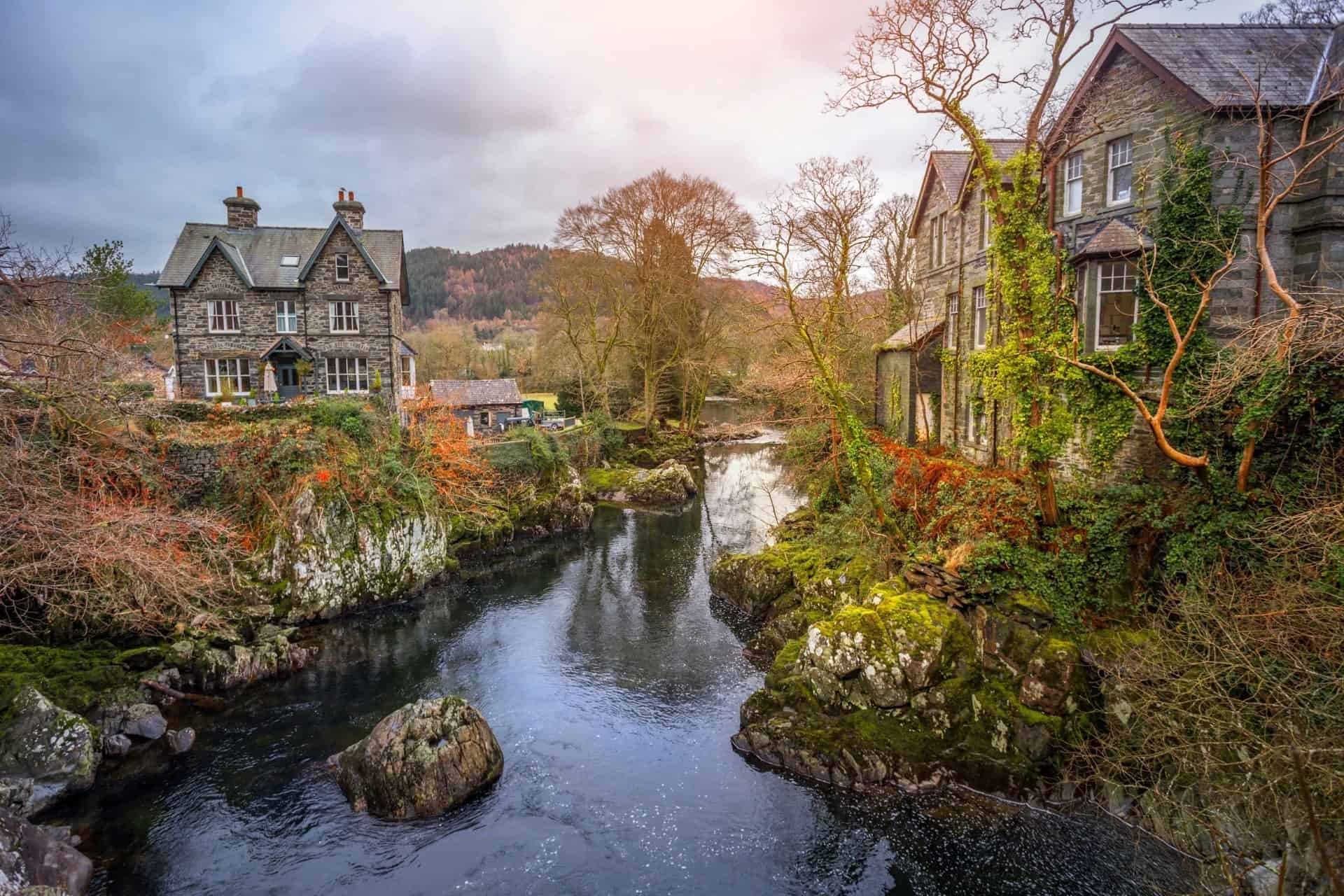
Wales has a higher density of self-catering holiday cottages per square mile than any other part of the United Kingdom. From a centuries-old stone farmhouse tucked into a Snowdonia valley with nothing but sheep and mountain views for company, to a brightly painted Georgian townhouse overlooking a bustling Pembrokeshire harbour, the sheer range of properties available is exceptional.
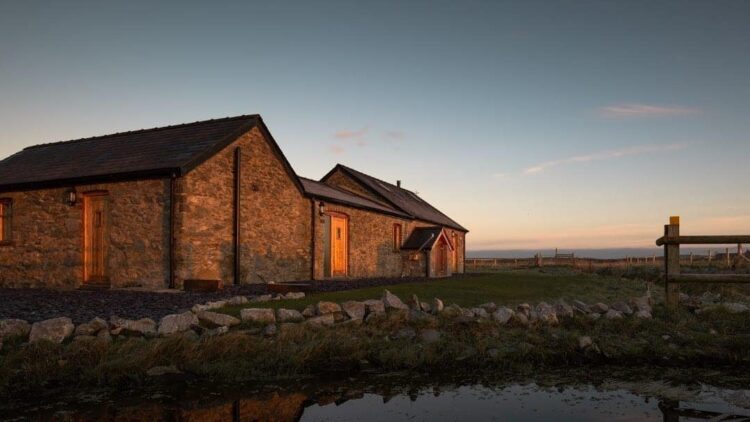
Unlike a hotel stay, a Welsh cottage holiday gives you total independence. You set your own schedule, cook your own meals using incredible locally sourced produce from Welsh farm shops and markets, and create a genuine home-away-from-home base from which to explore the surrounding countryside. For families with young children, groups of friends, multi-generational gatherings, and couples wanting privacy and space, a self-catering cottage is almost always the best value and most flexible option.
🏴 Welsh Cottage Holidays at a Glance
- Average Weekly Cost: £350–£600 off-peak | £800–£2,500+ peak summer (July/August).
- Cheapest Months: January, February, March, and November offer the lowest rates.
- Most Popular Regions: Snowdonia and Pembrokeshire account for the highest volume of bookings.
- Dog-Friendly: Wales has one of the highest rates of pet-friendly self-catering properties in Britain — roughly 40% of cottages accept dogs.
- Standard Check-in/Check-out: Typically Saturday to Saturday. Check-in is usually 4:00 PM; check-out 10:00 AM. Short breaks (3–4 nights) are widely available outside of school holidays.
- Quality Grading: Look for the Visit Wales star rating (1 to 5 stars) — properties are independently assessed by professional advisers every two years.
This guide covers everything you need to know before booking your 2026 Welsh cottage holiday — from understanding the different property types and what to realistically expect on arrival, to navigating seasonal pricing, dog-friendly policies, and essential booking strategies. If you are ready to start searching for your perfect property right now, head straight to our cottage booking page where you can compare properties by region.
Welsh Cottage Types Explained
Not all cottages are the same. Here is what to expect from each property type commonly found across Wales.
← Swipe left and right to view the full table →
| Property Type | Typical Sleeps | Price Range (Per Week) | Best For |
|---|---|---|---|
| Stone Farmhouse | 4–10 | £500–£1,800 | Families, groups, multi-gen gatherings |
| Coastal Cottage | 2–6 | £450–£2,500 | Couples, beach holidays, surfers |
| Barn Conversion | 4–12 | £600–£2,200 | Large groups, celebrations, events |
| Log Cabin / Lodge | 2–8 | £400–£1,500 | Hot tub breaks, romantic escapes |
| Town / Village Cottage | 2–6 | £350–£1,200 | Walking, pubs, convenience |
| Working Farm Stay | 4–8 | £400–£1,000 | Kids, animal lovers, rural immersion |
What to Realistically Expect from a Welsh Cottage
If you have never booked a self-catering cottage in Wales before, understanding the reality of what is and is not included will save you enormous frustration on arrival day.
Standard inclusions: Almost all Welsh holiday cottages provide bed linen, bath towels, a fully equipped kitchen (oven, hob, fridge, microwave, kettle, toaster), central heating, hot water, and Wi-Fi. Higher-end properties will include dishwashers, washing machines, and premium extras like log burners, hot tubs, and welcome hampers featuring local Welsh produce.
What is rarely included: Beach towels, firewood for log burners (usually available to buy on-site or at the nearest garage), and travel cot bedding. If the property advertises a log burner, always check whether the first basket of logs is provided or whether you need to purchase them yourself. If you are bringing a baby, always confirm whether a cot, highchair, and stair gates are available — many family cottages provide these, but not all.
The cleaning situation: Modern Welsh cottage rentals operate a strict professional cleaning regime between guests. You are expected to leave the property in a reasonable condition — washing up done, bins emptied, personal rubbish removed — but deep cleaning is handled by the management company. Some properties charge a mandatory cleaning fee on top of the rental price; others absorb it into the weekly rate. Always check the booking terms.
Mobile phone signal: This is the single most common complaint in Welsh cottage reviews. Large parts of rural Mid Wales, the Cambrian Mountains, and inland Snowdonia have extremely patchy or non-existent 4G and 5G mobile coverage. If you absolutely need to stay connected for work, check with the property owner about the reliability of the broadband before booking, and do not rely on your mobile network alone.
Best Regions for a Cottage Holiday: Quick Compare
Every region offers a different experience. Match your priorities to the right part of Wales.
For a detailed, region-by-region breakdown of the best cottage areas — including specific postcodes, nearby attractions, and our recommended villages to base yourself in — see our comprehensive cottage booking guide.

Seasonal Pricing: When to Book and When to Save
Welsh cottage pricing follows a strict seasonal pattern. Understanding this cycle is the difference between paying £400 for a week and paying £1,800 for the exact same property.
Peak season (mid-July to early September): This is when prices hit their maximum. Coastal properties in Pembrokeshire and the Llŷn Peninsula can charge £2,000 to £2,500 per week for a 3-bedroom cottage during August. Availability is extremely limited — the most popular properties are booked 9 to 12 months in advance for the school summer holidays. If you want a specific cottage in a specific week, you need to book in September or October the year before.
Shoulder season (April to mid-July, September to October): This is the sweet spot for value. Prices drop by 30% to 50% compared to peak, the weather is often excellent (May and June are statistically the driest months in Wales), and popular beaches and walking trails are significantly quieter. September and October offer the added bonus of autumn colour in the national parks and the start of the Atlantic storm season — spectacular for coastal photography.
Off-season (November to March): Rates are at their lowest, often 50% to 70% below peak prices. A 2-bedroom cottage in the Brecon Beacons that costs £1,200 in August might be available for £350 in January. Short breaks (Friday to Monday or Monday to Friday) are widely available. Winter is perfect for log-burner holidays, dark-sky stargazing, and quiet mountain walks — just be prepared for shorter daylight hours and some coastal amenities being closed.
🐾 Bringing Your Dog? Essential Rules
Wales is one of the most dog-friendly holiday destinations in Britain, but there are important rules to understand before booking.
- Most cottages accept dogs — but always confirm directly. Some properties limit the number (usually 1 or 2), restrict certain breeds, or charge an additional pet supplement (typically £20 to £40 per dog per stay).
- Beach restrictions apply. Many popular Welsh beaches enforce seasonal dog bans from May 1st to September 30th. However, almost every beach with a ban has a dog-friendly section or a nearby alternative. Check our beaches guide for specifics.
- Livestock awareness. Wales is a farming country. You will encounter sheep in virtually every rural location. Your dog must be kept on a lead at all times near livestock — this is a legal requirement, not a suggestion.
- Specialist guides: See our guides to pet-friendly cottages in Tenby and dog-friendly cottages in the Brecon Beacons for our top picks.
Specialist Cottage Types: Finding Your Perfect Match
Beyond the standard stone cottage, Wales offers several specialist self-catering property types that cater to very specific types of holiday.
Log Cabins and Lodges
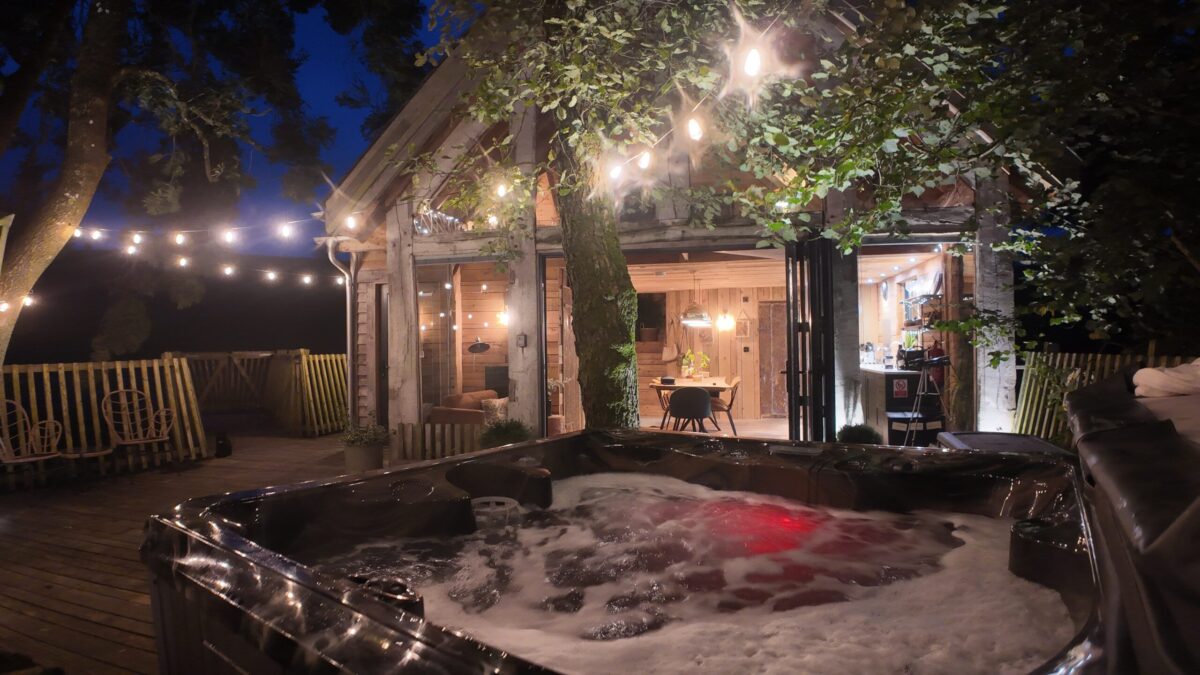
Snowdonia has seen a massive surge in purpose-built log cabin parks over the past decade. These modern timber lodges typically feature open-plan living, floor-to-ceiling windows showcasing mountain or lake views, private decking areas, and — in many cases — private outdoor hot tubs. They are enormously popular with couples seeking a romantic getaway and families wanting a comfortable base for adventure activities. Our guide to the best log cabins in Snowdonia covers the top parks and what to expect.
Working Farm Stays
For families with young children, a farm stay is one of the most rewarding types of Welsh cottage holiday. You stay in a self-catering cottage or converted barn on a working agricultural property, giving children the opportunity to help with daily farm chores — feeding lambs, collecting eggs, and learning about the rhythms of rural Welsh life. The best farm stays are concentrated in Snowdonia and Mid Wales. Our guide to working farm holidays in Snowdonia covers what to expect, while our top-rated farm cottages post reviews the best properties across the country.
Seaside and Coastal Cottages
If your entire holiday revolves around the beach, you want a cottage within walking distance of the sand. The Pembrokeshire coast, the Gower Peninsula, and the Llŷn Peninsula offer the strongest concentration of genuine seaside cottages. The premium you pay for a true sea-view property is significant — expect to add 30% to 50% to the standard inland price — but the experience of waking up to the sound of crashing waves is worth every penny for a special holiday.
Castle Stays
Wales has over 600 castles, and a small number of them now operate as holiday lets. Staying in a castle tower, a converted gatehouse, or a fortified manor house is one of the most unique self-catering experiences available in Britain. Expect thick stone walls, dramatic spiral staircases, and deeply atmospheric bedrooms. Our guide to castle stays in Wales covers the best bookable properties.
Essential Booking Advice for 2026
Book direct when possible. Many Welsh cottage owners offer a lower price when you book directly through their own website rather than through a major agency. You also gain the advantage of speaking directly to the owner to ask specific questions about the property, local recommendations, and any special requirements (accessibility, cots, pet arrangements).
Check the Visit Wales star rating. Properties graded by Visit Wales have been independently assessed by a professional adviser. The grading runs from 1 star (acceptable) to 5 stars (exceptional) and covers everything from cleanliness and comfort to the quality of kitchen equipment and bathroom fittings. A 4-star Visit Wales cottage will always meet a reliable, consistent standard.
Read the cancellation policy carefully. Most Welsh cottage bookings require a deposit of 25% to 50% at the time of booking, with the balance due 6 to 8 weeks before arrival. Cancellation terms vary enormously — some agencies offer full flexibility, while others operate strict no-refund policies for late cancellations. If you are booking months ahead, consider properties with flexible cancellation or take out holiday insurance.
Check the parking situation. In rural Wales, parking is almost never an issue — most farmhouse and village cottages come with dedicated off-road parking. However, coastal cottages in popular villages like Tenby, Betws-y-Coed, and Abersoch can have extremely limited parking. Always confirm the exact arrangements before booking, especially if you are bringing more than one car.
Supermarket access matters. If you are staying deep in rural Mid Wales or in a remote Snowdonia valley, the nearest supermarket might be a 30 to 45-minute drive away. Plan your food shopping strategically — stock up at a large supermarket on your way to the cottage, and use local village shops and farm shops for fresh top-ups during your stay. Supporting local producers is better for the rural economy and the food is almost always superior.
🏠 Explore All Accommodation Types
Holiday cottages are just one way to stay in Wales. Compare all your options and find the perfect match for your trip:
- Glamping in Wales — Bell tents, yurts, shepherd’s huts, and treehouses.
- Camping in Wales — Traditional tent and campervan pitches in stunning locations.
- Hotels in Wales — From budget seafront stays to luxury spa retreats.
- Caravan Holidays — Static caravans and touring parks across the country.
- Farm Stays — Working farms with self-catering cottages and animal experiences.
- Glamping with Hot Tubs in North Wales — The most popular upgrade for cottage holidays.
🗺️ Plan Your Cottage Holiday Activities
Once your cottage is booked, start planning what to do during your stay:
- Adventures and Activities — Zip lines, horse riding, surfing, and more.
- Walking in Wales — Coastal and countryside walks for all abilities.
- Castles in Wales — Over 600 castles within day-trip distance of any cottage.
- Welsh Beaches — Award-winning Blue Flag beaches across the country.
- Family Days Out — Theme parks, zoos, steam railways, and more.
Frequently Asked Questions: Holiday Cottages in Wales
How much does a holiday cottage in Wales cost per week?
Prices vary significantly depending on region, season, and property size. A 2-bedroom cottage in a quiet Mid Wales valley might cost £350 to £500 per week outside of school holidays. A 3-bedroom sea-view property in Pembrokeshire during August can cost £1,500 to £2,500. The average across all regions and seasons sits at approximately £600 to £800 per week. Short breaks (3 to 4 nights) are widely available outside of peak summer and typically cost 60% to 70% of the full weekly rate.
Are holiday cottages in Wales dog-friendly?
Wales has one of the highest rates of dog-friendly self-catering accommodation in Britain. Roughly 40% of cottages across the country accept pets. However, policies vary — some properties limit the number of dogs, restrict breeds, charge a pet supplement, or require dogs to be kept off furniture and out of bedrooms. Always confirm the specific pet policy with the owner or agency before booking.
When is the best time to book a cottage in Wales?
For summer holidays (July and August), you need to book 9 to 12 months in advance for the best properties — especially coastal cottages in Pembrokeshire and Snowdonia. For shoulder season stays (May, June, September), booking 3 to 6 months ahead gives you an excellent choice. Last-minute deals are genuinely available in the off-season (November to March), often at 50% or more below peak rates.
What is the best region in Wales for a cottage holiday?
It depends entirely on what you want from your holiday. Snowdonia is the best all-round destination for mountain adventures, walking, and commercial attractions like Zip World. Pembrokeshire is the top choice for families wanting beaches and coastal walks. The Brecon Beacons offer the best combination of walking, dark-sky stargazing, and proximity to England. Ceredigion is the most underrated region — offering a quiet, unspoilt coastline with dolphins, without the summer crowds of Pembrokeshire.
Do I need a car for a cottage holiday in Wales?
For rural and mountain cottages, a car is essentially mandatory. Public transport in rural Wales is limited, and many of the best cottage locations are down narrow single-track lanes with no bus service. The exceptions are town-based cottages in places like Tenby, Conwy, or Betws-y-Coed, where you can walk to shops, pubs, and attractions, and take trains to explore the wider area. If you are considering a car-free cottage holiday, always check public transport links with the property owner before booking.
Is a holiday cottage better value than a hotel in Wales?
For families and groups, a cottage is almost always significantly better value. A 3-bedroom cottage sleeping 6 people for £900 per week works out at just over £21 per person per night — far cheaper than booking three hotel rooms. You also save substantially on food by self-catering rather than eating out for every meal. For couples on a short break, the value comparison is closer, and a hotel with breakfast included might be competitive. The real advantage of a cottage is space, privacy, and the freedom to set your own schedule.
Planning a trip to Wales?
Find the perfect holiday cottage for your Welsh adventure.
 Share icon below and select Add to Home Screen to install the free app.