


Welsh Food and Drink: A Complete Guide for 2026
Updated 12 May 2026 · 8 minute read
Welsh food has a clear, distinctive identity built on a few outstanding ingredients — lamb raised on mountain pasture, leeks grown in coastal soil, Caerphilly cheese, cockles from the Gower, and oats and dairy from Welsh farms. This complete 2026 guide to food and drink in Wales covers the traditional dishes worth seeking out, where to eat them, the country’s seven Michelin-starred restaurants, the best food markets and festivals, and the growing scene of Welsh whisky, gin and craft beer.
Traditional Welsh dishes: what to eat in Wales
Welsh food tradition is rooted in a small number of excellent ingredients — lamb raised on mountain pasture, leeks grown in rich coastal soil, cockles from the Gower, and oats and dairy from Welsh farms. These are the dishes you should look for on menus across the country.
Cawl is the national dish — a slow-cooked lamb and leek broth first recorded in 1390. It is still served across Wales in pubs, at weddings, at eisteddfodau and in farmhouse kitchens. The traditional method serves the broth first with Caerphilly cheese, then the meat and vegetables as a second course. See our step-by-step cawl recipe for the full method.
Welsh Rarebit is a hot cheese sauce — made with Welsh ale, mustard and Caerphilly or mature Cheddar — grilled over thick toast. It is not cheese on toast. The sauce is cooked separately and the result tastes nothing like the shortcut version.
Welsh Cakes are small, flat, spiced scones cooked on a bakestone rather than in the oven — one of the few traditional British baked goods that needs no oven. They are sold fresh daily in Cardiff Market and at markets across Wales. See our step-by-step Welsh cakes recipe for the full method.
Laverbread is a Welsh seaweed product — laver seaweed boiled for hours and puréed into a smooth, intensely savoury paste. It is fried with oatmeal and served with cockles and bacon as part of a Welsh breakfast. Cockles for laverbread come principally from Penclawdd on the Gower Peninsula.
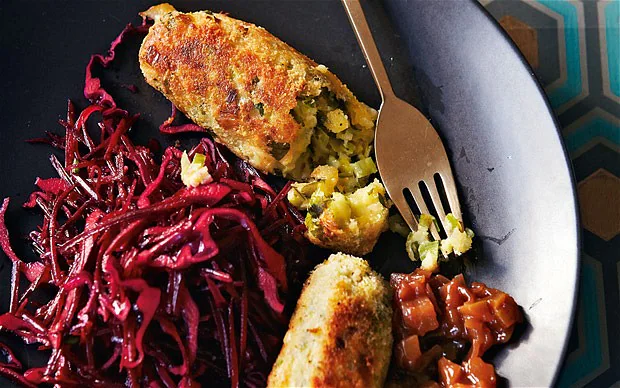
Glamorgan Sausages are vegetarian sausages made from Caerphilly cheese, leeks and breadcrumbs — one of the oldest vegetarian dishes in British cooking, recorded in the Vale of Glamorgan since the 1820s.
Bara Brith is a dense fruit loaf made with dried fruit soaked overnight in cold tea. It is sliced thick and eaten with salted Welsh butter. See our step-by-step bara brith recipe for the full method.
For step-by-step recipes for all of these dishes, see our 12 traditional Welsh dishes you can cook at home or our wider guide to Welsh cuisine.
Welsh produce: lamb, cheese, seafood and PGI ingredients
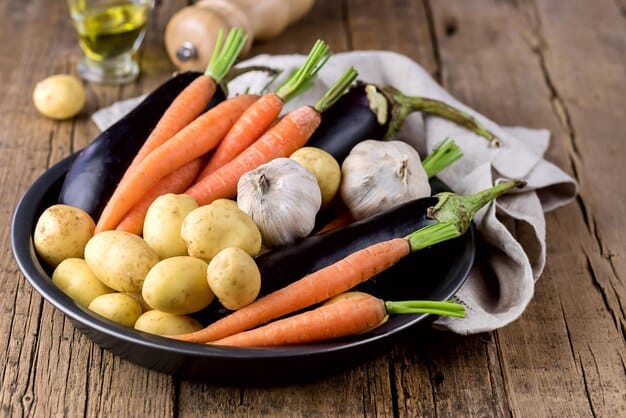
Wales produces a number of ingredients that carry formal protected status or are nationally recognised for quality. The table below sets out the main Protected Geographical Indication (PGI) and Protected Designation of Origin (PDO) products you’ll find on Welsh menus and in UK supermarkets.
| Product | Status | Where it comes from | What makes it distinctive |
|---|---|---|---|
| Welsh Lamb | PGI | Upland Wales | Flavour from wild thyme, heather and fescue on Eryri, Bannau Brycheiniog and the Cambrian Mountains |
| Welsh Beef | PGI | Wales (Welsh Black breed) | Slow-grown, well-marbled native breed |
| Traditional Welsh Caerphilly | PGI | South Wales | Crumbly, mild, slightly acidic — original artisan recipe protected since 2022 |
| Pembrokeshire Earlies | PGI | Pembrokeshire coastal fields | Sweet new potatoes, harvested April–July |
| Halen Môn Sea Salt | PDO | Anglesey (Ynys Môn) | Hand-harvested flake salt from the Menai Strait |
| Conwy Mussels | PDO | Conwy Estuary, north Wales | Wild-grown, hand-raked using traditional methods |
Beyond the protected names, Wales has several outstanding regional specialities:
Michelin restaurants in Wales 2026
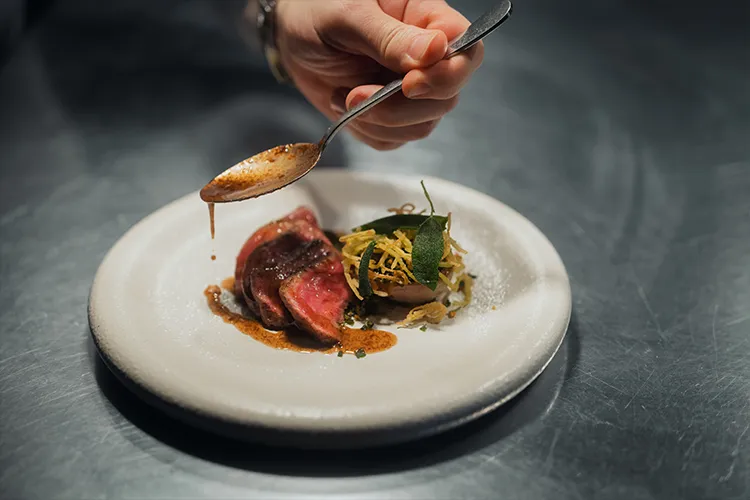
Wales has seven Michelin-starred restaurants in the 2026 Michelin Guide, alongside several Bib Gourmand listings — a significant rise from a decade ago and a sign of how quickly Welsh fine dining has evolved.
The seven starred restaurants in 2026 are:
- Ynyshir (Eglwysfach, Ceredigion) — two stars. Chef Gareth Ward. Probably the most discussed restaurant in the UK in recent years, known for an intense multi-hour tasting menu using foraged and fermented Welsh ingredients.
- Gorse (Pontcanna, Cardiff) — one star. Cardiff’s first ever Michelin-starred restaurant. Chef Tom Waters. Modern fine dining with strong focus on Welsh produce and Gower salt marsh lamb.
- The Walnut Tree (Llanddewi Skirrid, Monmouthshire) — one star. Chef Shaun Hill. A long-standing classic with a daily-changing menu of local fish, Welsh beef and Welsh cheese.
- The Whitebrook (Whitebrook, Monmouthshire) — one star. Chef Chris Harrod. Wye Valley restaurant with rooms, working with foraged herbs and wild ingredients.
- Beach House (Oxwich Bay, Gower) — one star. Chef Hywel Griffith. Coastal fine dining looking out over Oxwich Bay.
- Home (Penarth, Vale of Glamorgan) — one star. Chef James Sommerin. Intimate, family-run blind tasting menu served by the chefs.
- Sosban & the Old Butcher’s (Menai Bridge, Anglesey) — one star. Twelve-cover restaurant on Anglesey known for tightly-bookable tasting menus.
Wales also has a strong line-up of Bib Gourmand restaurants — recognised for excellent food at more accessible prices. Current Welsh Bib Gourmand holders include The Gaff (Abergavenny), Purple Poppadom (Cardiff), The Checkers (Montgomery), Wright’s Food Emporium (Carmarthenshire), Ultracomida (Aberystwyth), Bryn Williams at Porth Eirias (Colwyn Bay) and the Hare & Hounds (Aberthin).
For the complete 2026 list with locations, pricing and booking notes, see our dedicated Michelin restaurants in Wales guide.
Welsh food markets: where to buy local produce
Wales has a strong tradition of indoor and outdoor food markets — many have been running continuously for over a century. These are the markets worth planning a trip around.

Welsh ales, gin, whisky and soft drinks
Wales produces a growing range of ales, spirits and non-alcoholic drinks. The sector has expanded significantly since 2015 — particularly Welsh whisky and craft gin.
Welsh whisky
The Welsh whisky industry is small but growing. Penderyn Distillery is the country’s main producer and now operates three sites:
- Brecon Beacons (Penderyn village, CF44 0SX) — the original distillery, opened in 2000 in the foothills of Bannau Brycheiniog near Hirwaun. Open seven days a week.
- Llandudno Lloyd Street Distillery (LL30 2YG) — second site, opened May 2021 in a restored Victorian school building. Specialises in peated Welsh whisky — including the recently released Serpent’s Tears, the first peated Welsh whisky in 125 years.
- Swansea Copperworks (SA1 2JT) — third site, opened June 2023 in the historic Hafod-Morfa Copperworks opposite the Swansea.com Stadium.
All three distilleries offer guided tours and tastings. Verify current ticket prices and opening times on the Penderyn website before booking — tours start at around £13.50 per person.
Welsh ale and craft beer
Wales has over 100 independent breweries. The largest and best-known is Brains, based at the Dragon Brewery in Tremorfa, Cardiff. Their SA Gold is a nationally distributed pale ale. Independent breweries worth seeking out include Tiny Rebel (Newport, NP19 4PN), Purple Moose (Porthmadog, LL49 9HG), and Otley Brewing (Pontypridd, CF37 4PE). For a deeper dive see our guides to south Wales craft beer and the best brewery tours in Wales.
Welsh gin
Craft gin production has grown sharply since 2015. Dyfi Distillery (Machynlleth, SY20 8UD) makes its Pollination Gin using botanicals foraged from the Dyfi UNESCO Biosphere Reserve. Aber Falls (Abergwyngregyn, LL33 0LB) produces both gin and Welsh whisky. Other Welsh distilleries worth looking out for include Forager’s Gin and In the Welsh Wind.
Soft drinks and cordials
Wales produces a number of elderflower and hedgerow fruit cordials. Radnor Hills (Knighton, LD7 1LU) is the largest producer — their spring water and flavoured drinks are sold in supermarkets across the UK and on tap in many Welsh pubs and restaurants.
The growth in Welsh hedgerow-based produce links to wider conservation work — see our piece on the Urban Long Forest hedgerow restoration project.
Where to eat in Wales: food by region
Welsh food culture varies by region. The coast, the valleys and the mountains each have their own traditions and dining options.
Caerdydd (Cardiff)
Wales’s capital has the widest range of restaurants — from Welsh fine dining at Gorse (Wales’s only Cardiff Michelin star) and Asador 44 (known for Welsh Black beef) to the fresh produce stalls in Cardiff Market. Strong independent restaurant and bar culture around Cardiff Bay, Pontcanna and Canton. See our Cardiff destination guide.
Abertawe (Swansea) and Gower
Swansea Market is the single best destination for Welsh produce in the country. The Gower Peninsula has a strong farmhouse food tradition — look for farm shops selling Gower salt marsh lamb, local honey and fresh cockles. See our Swansea Bay guide and Gower Peninsula guide.
Sir Benfro (Pembrokeshire)
Strong seafood tradition — fresh crab, lobster and mackerel from Pembrokeshire boats, plus Pembrokeshire Earlies (PGI) harvested April to July. Good restaurant scenes in Tenby and Tyddewi (St Davids). See our Pembrokeshire guide.
Ceredigion
Home to Caws Cenarth artisan cheese, the Aeron Valley apple orchards and a growing number of independent food producers. Aberystwyth has a good Saturday morning farmers market at the town hall. Ynyshir, Wales’s only two-star restaurant, is also here. See our Ceredigion & Cardigan Bay guide.
Eryri (Snowdonia)
Slate-industry heritage gives this region a deep tradition of substantial, filling food. Good pub food in Betws-y-Coed and Beddgelert. The Llŷn Peninsula produces Llŷn lamb — a local breed known for flavour. See our Eryri guide and best restaurants in Snowdonia.
Sir Fynwy (Monmouthshire)
The spiritual home of the Welsh gastropub and the gateway to Wales for many English visitors — home to The Walnut Tree and The Whitebrook Michelin stars, plus the Abergavenny Food Festival every September. See our Wye Valley & Vale of Usk guide.
Welsh food festivals and events 2026
Wales has a growing calendar of food and drink events — from large national festivals to small local markets.
Check individual event websites for confirmed 2026 dates and ticket prices before booking travel.
Frequently asked questions about Welsh food and drink
What food is Wales famous for?
Wales is most famous for cawl (the national dish), Welsh rarebit, Welsh cakes, bara brith, laverbread and cockles, Caerphilly cheese, Glamorgan sausages and Welsh lamb (PGI). The country also produces a growing range of award-winning ales, craft gins and whisky from Penderyn Distillery‘s three Welsh sites.
What is a traditional Welsh breakfast?
A traditional Welsh breakfast includes bacon, eggs, laverbread fried in oatmeal patties, cockles tossed in butter, Welsh pork sausages, black pudding, grilled tomato and toast. It differs from a full English mainly in the inclusion of laverbread and cockles, which are unique to Wales. Many pubs and B&Bs in Wales serve a Welsh breakfast on request.
How many Michelin-starred restaurants are there in Wales?
Wales has seven Michelin-starred restaurants in the 2026 guide. Ynyshir in Ceredigion holds two stars; Sosban & the Old Butcher’s (Anglesey), The Whitebrook (Monmouthshire), The Walnut Tree (Monmouthshire), Beach House (Gower), Home (Penarth) and Gorse (Cardiff) each hold one star. See our full Michelin restaurants in Wales guide for booking notes and prices.
What Welsh produce can I buy in UK supermarkets?
Welsh Lamb (PGI) and Welsh Beef (PGI) are available in most UK supermarkets year-round — look for the red dragon PGI label. Caerphilly cheese is stocked in Waitrose, M&S and specialist cheese shops. Welsh cakes are sold pre-packaged in many supermarkets and online. Penderyn Welsh whisky is widely available in Waitrose, specialist off-licences and online.
Where is the best food market in Wales?
Swansea Market (SA1 3PF) is the best single destination for Welsh produce — the largest indoor market in Wales, home to the most famous laverbread stall in the country and fresh cockles from Penclawdd. Cardiff Market (CF10 1AU) is the best for fresh Welsh cakes. For a dedicated festival, the Abergavenny Food Festival in September is the largest and most comprehensive in Wales.
Can you visit Penderyn Distillery?
Yes. Penderyn operates three Welsh distilleries — the original site in the Brecon Beacons foothills near Hirwaun (opened 2000), Llandudno in north Wales (opened May 2021, specialising in peated Welsh whisky), and Swansea Hafod-Morfa Copperworks (opened June 2023). All three offer guided tours and tastings, bookable on the Penderyn website. Tour prices start at around £13.50 per person.
What is the national dish of Wales?
Cawl is the national dish of Wales — a slow-cooked broth of Welsh lamb, leeks and root vegetables, first recorded in 1390. The traditional method serves the broth first with Caerphilly cheese, then the meat and vegetables as a second course. See our step-by-step cawl recipe for the full method.
Keep exploring Welsh food and drink
- How to make traditional Welsh cawl
- 12 traditional Welsh dishes you can cook at home
- Welsh cakes recipe: traditional bakestone bakes
- Bara brith recipe: traditional Welsh tea bread
- Michelin-starred restaurants in Wales: the complete 2026 list
- Best brewery tours in Wales
- Best distilleries in Wales
- Best craft beer in south Wales
- Best pubs in Wales
- What is Wales famous for?
Pembrokeshire-born travel writer and founder of Wales.org. Born in Haverfordwest, now based in Hertfordshire — covering Welsh castles, national parks, festivals and family staycations across all 22 Welsh counties.