

Wildlife to Look Out For in the Tywi Valley
Wildlife in the Tywi Valley 2026: What to See and Where to Look
By the Wales.org Travel Team | Updated April 2026

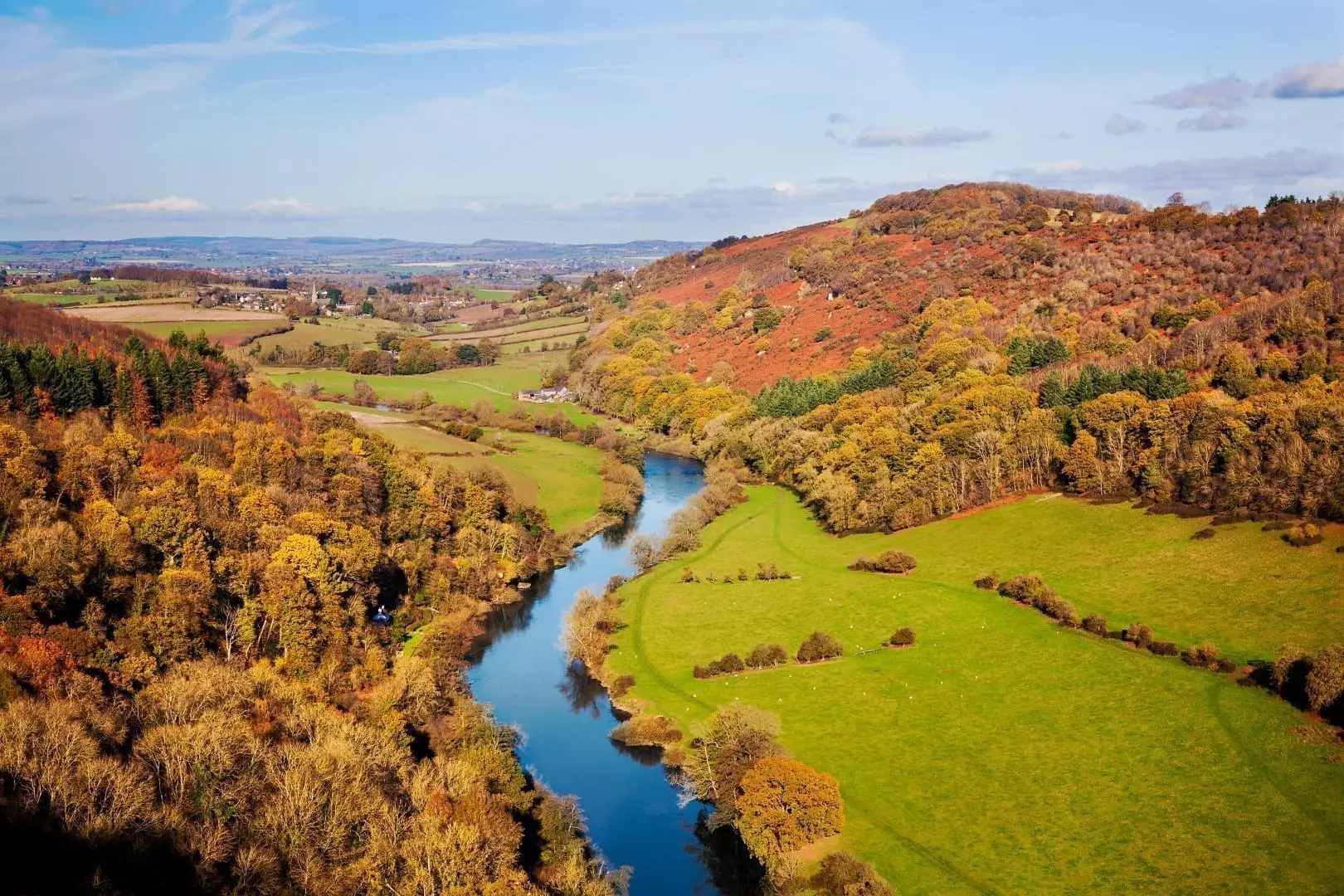
The Tywi Valley in Carmarthenshire is one of the most biodiverse valleys in Wales. The River Tywi flows south from Llyn Brianne reservoir through ancient oak woodland, bracken-covered hillsides, heath, and riverside meadows — each habitat supporting its own distinct community of wildlife. Several species found here are listed as critically important for Welsh biodiversity, while others are the focus of nationally significant conservation projects.
Whether you are a dedicated naturalist or simply keeping your eyes open on a valley walk, here is what to look out for in the Tywi Valley in 2026.
⚡ At a Glance: Tywi Valley Wildlife
- Star species: Pine martens — reintroduced 2015–2017, now breeding in mid-Wales woodland.
- Endangered resident: Red squirrels — one of the last Welsh colonies, Tywi Forest.
- River wildlife: Eurasian otters, dippers, grey wagtails, kingfishers.
- Raptors overhead: Red kites, buzzards, sparrowhawks, kestrels.
- Best season: April to June for the widest variety (migrants plus residents).
- Best walking site: RSPB Dinas Nature Reserve — ancient oak woodland with waymarked trails.
Tywi Valley Wildlife at a Glance
| Species | Habitat | When to See | Likelihood |
|---|---|---|---|
| Pine marten | Dense woodland | Year-round (dusk/dawn) | Rare (elusive, nocturnal) |
| Red squirrel | Coniferous forest | Year-round (morning) | Uncommon |
| Otter | River and tributaries | Year-round (dusk/dawn) | Moderate |
| Red kite | Open valley, farmland | Year-round | Common |
| Wood warbler | Upland oak woodland | April–August | Moderate (listen for song) |
| Swift | Above buildings, open sky | May–August | Common |
| Dipper | Rocky river stretches | Year-round | Common |
| Garden tiger moth | Meadows, hedgerows | July–August (night) | Moderate |
Mammals of the Tywi Valley
Pine Martens — Wales’s Greatest Conservation Success Story
The pine marten is arguably the most exciting wildlife story in the Tywi Valley. By the early 2000s, pine martens were on the verge of extinction in Wales — the species’ conservation status was listed as “critical,” with only scattered, unconfirmed sightings in the upper Tywi Valley (the last verified record was at Allt Rhyd y Groes in 2013).
Planning this trip? Ask Branwen, our free AI trip planner →
Between 2015 and 2017, the Vincent Wildlife Trust translocated 51 pine martens from Scotland to mid-Wales, choosing the area for its large, connected woodlands. The project has been a remarkable success: the translocated animals have bred, and a viable, expanding pine marten population is now established in the Tywi Valley and surrounding forests. In September 2025, a new “Welsh Pine Marten Haven” was launched in partnership with Coed Cadw (Woodland Trust) and Natural Resources Wales at Wentwood Forest in Monmouthshire, highlighting the species’ successful expansion across Wales.
Pine martens are nocturnal and extremely elusive — seeing one in the wild requires patience, luck, and ideally a camera trap. Your best chance is at dawn or dusk near dense woodland, particularly in the upper Tywi Valley and Tywi Forest. They are cat-sized, dark brown with a distinctive creamy-yellow throat patch, and move with a bounding gait through the trees.
Red Squirrels — Protecting One of Wales’s Last Colonies

The Tywi Forest is home to one of the last remaining red squirrel colonies in Wales — believed to be one of only three key populations left in the country. The Mid-Wales Red Squirrel Project, launched in 2002, works to protect and expand this population against three main threats: squirrelpox disease (carried by grey squirrels but fatal to reds), grey squirrel competition for food and habitat, and woodland destruction.
Red squirrels are smaller and more slender than their grey cousins, with distinctive russet fur and tufted ears. They are most active in early morning and favour coniferous woodland. If you spot one on a Tywi Forest walk, you are looking at one of Wales’s most endangered mammals — keep your distance and enjoy the moment quietly.
Otters — Returning to the River Tywi
Eurasian otters are present on the River Tywi, and their numbers have been increasing in recent years — a positive trend following decades of decline. Their conservation status in Wales is listed as “Vulnerable,” but the population recovery along the Tywi is encouraging. Otters are most active at dawn and dusk on quiet stretches of the river, particularly near bridges and confluences. Signs of otters — spraints (droppings) on prominent rocks and slides on muddy banks — are often easier to spot than the animals themselves.
📅 Month-by-Month Wildlife Calendar
Wildlife viewing changes dramatically with the seasons in Carmarthenshire. Use this month-by-month guide to find out exactly what is active during your visit to the Tywi Valley, so you know exactly where to look and what to listen for.
| Season / Months | Star Wildlife | Key Event & Behaviour | Best Viewing Spot |
|---|---|---|---|
| ❄️ Jan & Feb | Otters & Red Kites | Winter dies back the dense riverbank vegetation, making it the easiest time of year to spot elusive otters. Red kites gather in larger numbers at winter roosts. | Quiet river bends / Upper valley |
| 🌱 Mar & Apr | Migrant Songbirds | The ancient oak woodlands burst into life as bluebells bloom and summer migrants—like wood warblers, redstarts, and pied flycatchers—arrive from Africa. | RSPB Dinas Nature Reserve |
| ☀️ May & Jun | Swifts & Dippers | Peak breeding season. Fledgling dippers can be seen bobbing on river rocks, while swifts fill the long evening skies with their distinctive screaming calls. | Llandeilo & River Tywi shallows |
| 🌻 Jul & Aug | Moths & Dragonflies | Warm summer nights bring out the spectacular Garden Tiger Moth. By day, banded demoiselles and golden-ringed dragonflies patrol the water’s edge. | Riverbanks & valley meadows |
| 🍂 Sep & Oct | Atlantic Salmon & Deer | A dramatic autumn spectacle: after heavy rains, watch wild Atlantic salmon leaping upriver to spawn. Meanwhile, the fallow deer rut begins. | River weirs / Dinefwr Deer Park |
| 🌲 Nov & Dec | Red Squirrels & Thrushes | As the broadleaf trees drop their leaves, visibility improves immensely. Look for red squirrels foraging in the conifers, joined by flocks of wintering redwings. | Tywi Forest / Mixed woodlands |
Birds of the Tywi Valley

The Tywi Valley’s mix of habitats supports a rich variety of birdlife. Two species in particular stand out.
Wood warblers are summer migrants that arrive in April and stay until August. These yellow-bodied birds favour upland oak woodland and sing high in the canopy — their distinctive trilling song descending through the trees is one of the most beautiful sounds in a Welsh wood. The RSPB Dinas Nature Reserve in the upper Tywi Valley is an excellent site for wood warblers.
Swifts arrive in May and leave by August. They are remarkable birds that rarely land except to nest — they eat, sleep, and even mate on the wing. Listen for their high-pitched screaming calls above the valley’s towns and villages, where they nest in small holes under the eaves of older buildings.
Year-round residents include red kites (the Tywi Valley is within the mid-Wales heartland where the species was saved from extinction), buzzards, sparrowhawks, dippers (look for them bobbing on rocks in the river), grey wagtails, and kingfishers. For more on Welsh raptors, see our guide to birds of prey in Wales.
Moths and Insects
The Tywi Valley supports a remarkable diversity of moths — part of the more than 700 species recorded across Wales. The garden tiger moth is one of the most striking: a large moth with brown-and-white patterned forewings and vivid orange hindwings, flying at night from July to August in meadows, hedgerows, and gardens. Moth trapping events are occasionally run by local wildlife groups — check the Montgomeryshire Wildlife Trust and Wildlife Trust of South and West Wales for upcoming dates.
🕵️ Fieldcraft 101: How to Actually Spot Tywi Valley Wildlife
Knowing what lives in the valley is only half the battle. Elusive mammals like otters and pine martens do not just sit on the path waiting for a photo. Use these local tracking tips to dramatically increase your chances of a sighting:
- Walk Upwind & Tread Lightly: Mammals will smell you before they see you. Always try to walk with the wind in your face, avoid wearing loudly rustling waterproofs if possible, and leave strongly scented perfumes at home.
- Tracking Pine Martens: Look down before you look up. Pine martens mark their territory by leaving scat (droppings) on elevated, prominent objects like boulders, tree stumps, or fallen logs. If you find dark, twisted scat full of berry seeds or fur, find a hidden spot nearby at dusk and wait quietly.
- Spotting Otters: Scan the river surface for a distinct, moving V-shaped ripple—this is often the only sign an otter is swimming just below the surface. Look for muddy ‘slides’ on steep riverbanks and sniff for ‘spraints’ (droppings) on rocks under bridges, which famously smell a bit like jasmine tea and fish!
- The “Dawn & Dusk” Rule: The “golden hours” just after sunrise and just before sunset are when the Tywi Valley’s predators are most active. Midday is for walking; dawn and dusk are for watching.
Where to Walk for Wildlife in the Tywi Valley
- RSPB Dinas Nature Reserve — ancient oak woodland in the upper Tywi Valley with waymarked trails. One of the best sites in Wales for wood warblers, redstarts, and pied flycatchers. Red kites and buzzards overhead. Free entry.
- Llyn Brianne Reservoir — at the head of the valley, this remote reservoir is surrounded by coniferous and mixed woodland. Excellent for raptor viewing (red kites, buzzards, goshawks) and one of the areas where pine martens have been recorded. The road around the reservoir offers several stopping points with views over the water.
- Dinefwr Deer Park — managed by the National Trust near Llandeilo, this ancient parkland is home to a herd of rare White Park Cattle and fallow deer. The veteran oaks support a rich invertebrate community and the park is excellent for birdwatching. Dinefwr Castle within the park grounds offers elevated views across the valley.
- Tywi Valley Way — a walking route following the river through the lower valley past Llandeilo, linking several walking and wildlife sites. Flat and accessible in the lower stretches.
For accommodation in the valley, browse holiday cottages and glamping in Carmarthenshire. The market town of Llandeilo is the most convenient base.
Frequently Asked Questions About Tywi Valley Wildlife
What wildlife can you see in the Tywi Valley?
Pine martens (reintroduced 2015–2017, now breeding), red squirrels (Tywi Forest), Eurasian otters, red kites, buzzards, wood warblers, swifts, dippers, and over 700 moth species. The valley’s mix of ancient woodland, river, heath, and bracken creates one of the most biodiverse habitats in Wales.
Where is the best place to see pine martens in Wales?
The Tywi Valley and surrounding mid-Wales woodlands. Between 2015 and 2017, the Vincent Wildlife Trust translocated 51 pine martens from Scotland to mid-Wales. Pine martens are nocturnal and elusive — best chances at dawn or dusk near dense woodland.
Can you see red squirrels in the Tywi Valley?
Yes. The Tywi Forest is home to one of the last remaining red squirrel colonies in Wales. They are most active in early morning in coniferous woodland. The Mid-Wales Red Squirrel Project works to protect this population.
When is the best time to see wildlife in the Tywi Valley?
April to June for the widest variety (wood warblers and swifts arrive as summer migrants, otters active on the river, woodland wildflowers in bloom). Pine martens and red kites are present year-round. Moths best observed July–August.
Where can I walk in the Tywi Valley for wildlife?
RSPB Dinas Nature Reserve (ancient oak woodland, free entry), Llyn Brianne reservoir (remote, excellent raptors), Dinefwr Deer Park (National Trust, rare White Park Cattle), and the Tywi Valley Way along the river.
Are otters common in the Tywi Valley?
Otters are present and numbers are increasing. Their conservation status is “Vulnerable” but the trend is positive. Most active at dawn and dusk on quiet river stretches. Look for spraints on rocks and slides on muddy banks.
All information in this guide was verified in April 2026. Wildlife sightings can never be guaranteed — patience, quiet, and the right time of day all improve your chances. For more wildlife in Wales, explore our guides to 11 places to see wildlife, wildlife walks in Anglesey, and zoos and animal parks in Wales.

Pembrokeshire-born travel writer and founder of Wales.org. Born in Haverfordwest, now based in Hertfordshire — covering Welsh castles, national parks, festivals and family staycations across all 22 Welsh counties.