

coarse fishing in Wales
Coarse Fishing in Wales 2026: Best Rivers, Lakes and Fisheries
By the Wales.org Travel Team | Updated April 2026
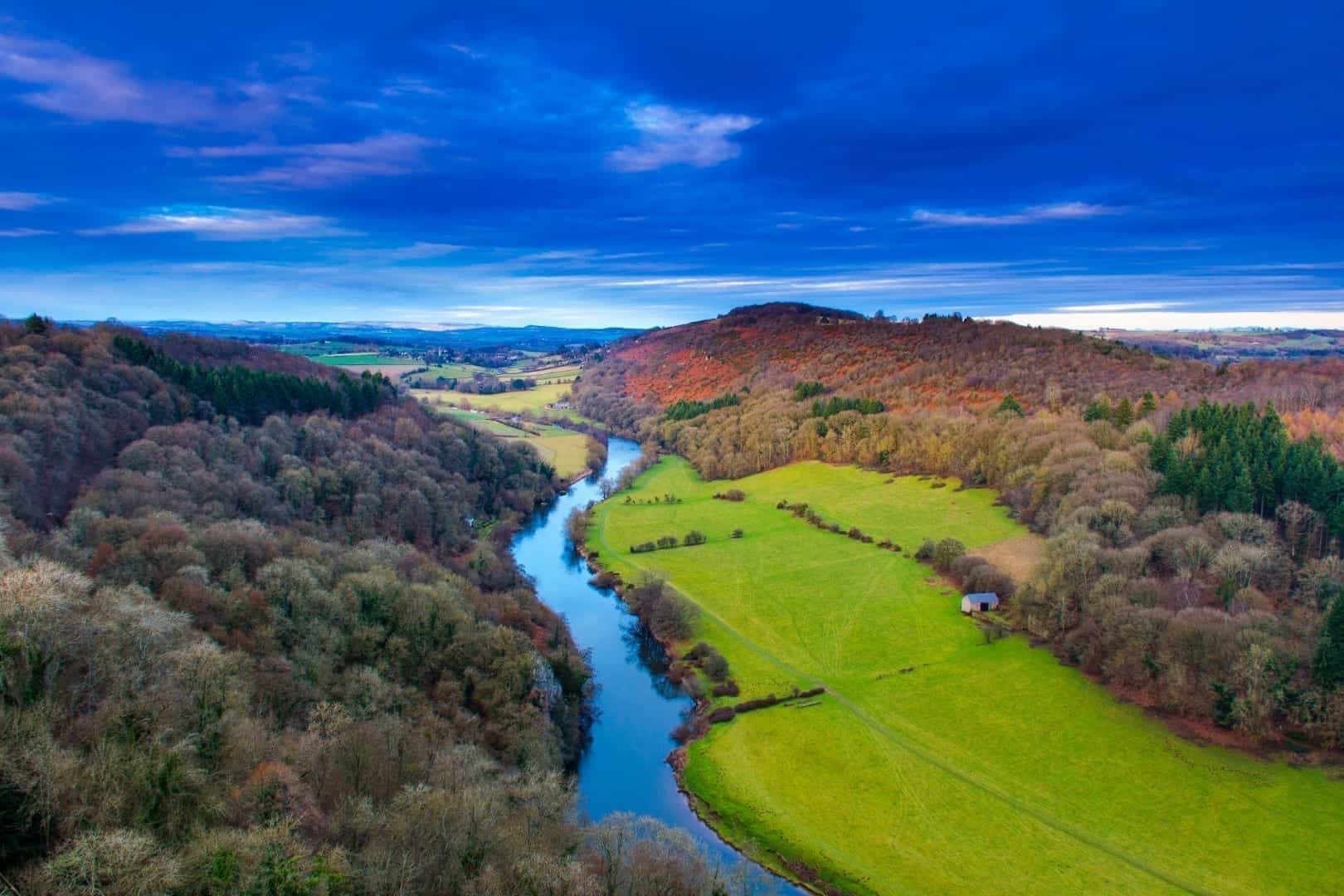
Coarse fishing is the most popular form of angling in Wales — and with good reason. The country has over 170 dedicated coarse fisheries, three of Britain’s finest coarse rivers (the Severn, Wye, and Taff), and stillwaters ranging from a 30-acre medieval castle moat filled with carp to a mountain lake at 1,400 feet where wild carp descend from fish introduced by monks in the Middle Ages. Add in the UK record pike (46lb 13oz, Llandegfedd Reservoir) and specimen barbel pushing 18lb on the River Taff, and it is clear why coarse anglers from across Britain make the journey to Wales.
At a Glance: Coarse Fishing in Wales
- Most iconic venue: Caerphilly Castle moat — 300+ carp to 33lb+ in a 13th-century castle moat. Membership only (£40/year).
- Best for specimen pike: Llandegfedd Reservoir — 174 hectares, UK record pike (46lb 13oz).
- Best for catfish: Celtic Lakes, West Wales — six lakes, 75 acres, large catfish.
- Best river for chub: River Wye — large shoals, plus pike and silvers.
- Best river for barbel: River Taff — specimen fish to 18lb+, record 18lb 1oz.
- Best bucket-list venue: Pant y Llyn — wild carp at 1,400ft, descended from medieval monks’ fish.
- Season: Rivers: 16 June – 14 March. Stillwaters: often year-round. Summer best for carp; winter best for pike.
- Licence: NRW rod licence required (13+). Buy at GOV.UK.
This guide covers the best coarse fishing venues in Wales for 2026 — with practical details on target species, access, permits, and what makes each water worth fishing. New to angling? Start with our beginner’s guide to fishing in Wales for licensing, equipment, and an introduction to the different types of fishing. Prefer saltwater? See our guide to sea fishing in Wales.
Best Coarse Fishing Venues in Wales at a Glance
| Venue | Region | Type | Target Species | Access |
|---|---|---|---|---|
| Caerphilly Castle Moat | South Wales | Stillwater (30 acres) | Carp to 33lb+, tench, bream, pike | Membership (£40/yr) |
| Llandegfedd Reservoir | South Wales | Reservoir (174 ha) | Pike (UK record), bream, hybrids | Day tickets |
| Celtic Lakes | West Wales | Stillwater (75 acres) | Catfish, carp | Day tickets |
| White Springs | South Wales | Fishery | Specimen perch (5lb+), carp (43lb) | Day tickets, accommodation |
| Pant y Llyn | Mid Wales | Mountain lake (8 acres) | Wild carp | Day tickets |
| River Wye | Mid/North Wales | River | Chub, barbel, pike, silvers | Club permits, day tickets |
| River Taff | South Wales | River | Specimen barbel to 18lb+ | Club permits |
| River Dee | North Wales | River | Grayling, chub, barbel | Club permits, day tickets |
What Is Coarse Fishing?
Coarse fishing takes its name from the coarse scales of freshwater species like carp, pike, perch, barbel, chub, bream, tench, and roach. Unlike game fishing (salmon, trout), the fish are not typically eaten. Instead, coarse fishing is a recreational sport — you catch the fish, carefully unhook it, and release it back into the water. The satisfaction comes from the skill of the catch, the size of the fish, and the experience of being on the water in some of Britain’s finest landscapes.
Planning this trip? Ask Branwen, our free AI trip planner →
It is the most popular form of angling in Wales. Barbel and chub inhabit the Severn, Wye, and Taff. Carp and bream thrive in commercial fisheries and lakes. Pike ambush from the depths of reservoirs and slow-moving rivers. Whether you want a gentle afternoon by a lake or an adrenaline-charged battle with a 30lb carp beneath a medieval castle, coarse fishing in Wales delivers.
Best Stillwater Coarse Fishing Venues
Caerphilly Castle Moat — Most Spectacular Coarse Fishing Venue in Britain
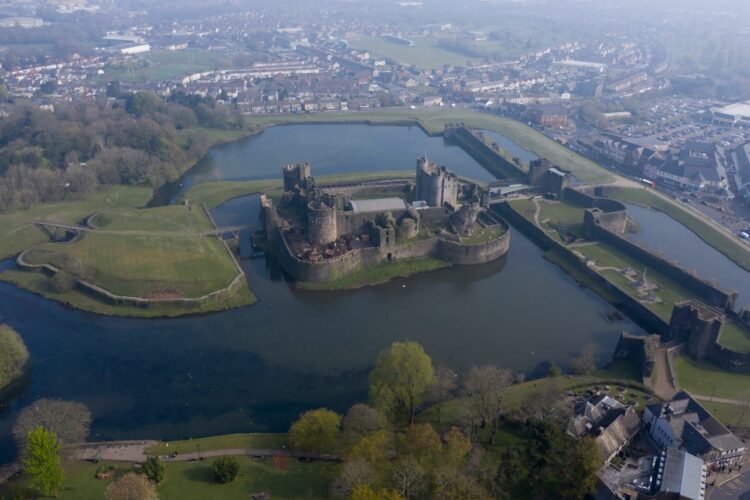
There is no coarse fishing venue in Britain quite like Caerphilly Castle moat. The 30-acre moat surrounding one of the largest medieval castles in Europe holds approximately 300 carp — a mix of commons and mirrors — with fish now exceeding 33lb and 16+ fish over 30lb. The moat also contains specimen tench (to 6lb), bream, roach, perch, eels, and pike. The castle backdrop makes every photograph look extraordinary.
The moat is divided into two main areas: the North Lake and the South Lake, connected by a waterway the fish use as a highway. The hotspots are the island margins on the South Lake and the overhanging tree line on the North Lake. The carp respond exceptionally well to boilies — large beds of bait outperform single hookbaits on this water. Summer surface fishing with dog biscuits can also be explosive. Night fishing is permitted for full members.
Important for 2026: Day tickets are no longer available. You need membership of Caerphilly & District Angling Association — approximately £40/year plus £10 admin fee for the first year. At that price, it is outstanding value for a venue of this quality. Purchase from the club website or from Tony’s Tackle shop opposite the castle. The club also controls water on the River Rhymney (grayling to 3lb, chub, barbel) and Semtex Lake at Brynmawr. A rod licence is also required.
Llandegfedd Reservoir — Best for Specimen Pike and Big Bream
This 174-hectare reservoir near Pontypool is one of the best breeder fishing sites in the UK and the location where the UK record pike (46lb 13oz) was caught. Beyond pike, Llandegfedd is renowned for large shoals of bream and roach/bream hybrids — big nets of fish are possible on most visits. The reservoir is managed by Natural Resources Wales and has on-site rangers who can advise which areas have been productive and which have already been fished. Day tickets available.
Celtic Lakes, West Wales — Best for Catfish
Celtic Lakes is a stillwater fishery comprising six lakes totalling 75 acres. The standout feature is a large population of catfish — a species notoriously difficult to find consistently in the UK. This makes Celtic Lakes a pilgrimage venue for catfish anglers. The fishery also holds carp and other coarse species. Located in the Pembrokeshire countryside. Day tickets available.
White Springs, South Wales — Best for Specimen Perch
This fishery near Swansea is renowned for unusually large perch — the site record stands at Perch 5lb 3oz and Common Carp 43lb. The setting is beautiful and the fishery offers on-site accommodation for fishing holidays — making it one of the few places in Wales where you can fish, eat, and sleep without leaving the venue. Day tickets available.
Pant y Llyn, Mynydd Epynt — Best Bucket-List Venue
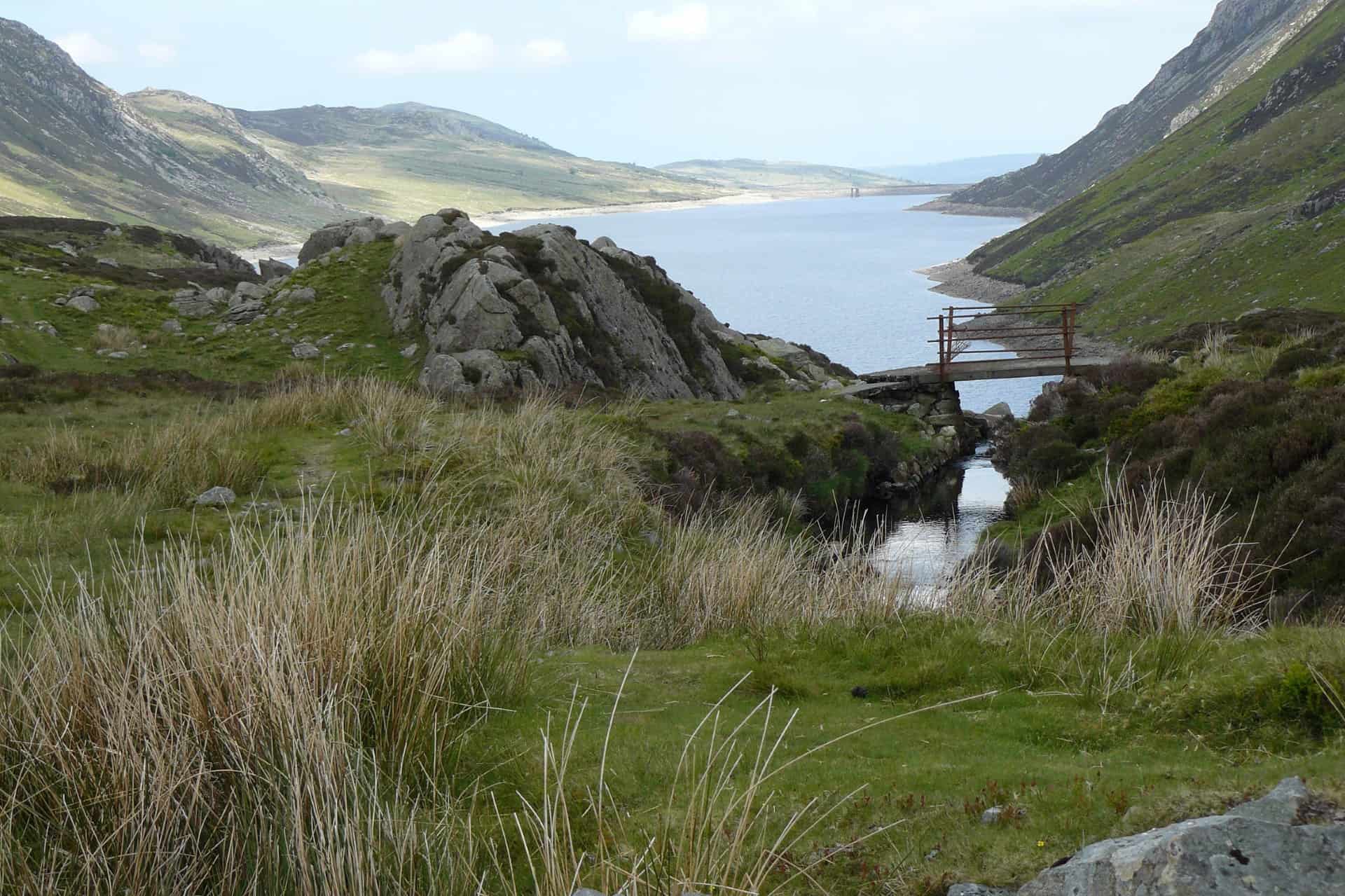
For solitude and history combined, Pant y Llyn is unmatched. This 8-acre lake sits at 1,400 feet above sea level atop a Mid Wales mountain. The wild carp here are said to descend from fish introduced by medieval Cistercian monks — they have been swimming in this lake for centuries. The remoteness, the views, and the knowledge that you are catching fish with a lineage stretching back to the Middle Ages make this a genuine bucket-list destination for any coarse angler visiting Wales. Day tickets available.
Best Rivers for Coarse Fishing in Wales
River Wye — Best for Chub and All-Round River Fishing
The River Wye is one of the finest coarse rivers in Britain. The river as a whole holds excellent chub — some of the largest shoals in Wales. The upper river also has large pike, while the middle stretches are well known for silvers (roach, dace). The lower Wye near Monmouth offers barbel to double figures. Access can be challenging on some stretches (much of the river is controlled by angling clubs), but the fishing rewards the effort. Day tickets and club permits available from local tackle shops. The Wye operates a strict catch-and-release policy for salmon throughout the season.
River Taff — Best for Specimen Barbel
The Taff may hold fewer fish than the Wye, but the fish are bigger. Barbel frequently weigh over 13lb, with the river record standing at a formidable 18lb 1oz. The Taff is also productive for chub, and its urban stretches through Cardiff are surprisingly good. Controlled by various angling clubs — permits required. The Taff operates a strict catch-and-release policy for salmon.
River Dee — Best for Grayling
The River Dee in North Wales is known as one of the purest water rivers in Europe and holds excellent grayling — a species many anglers consider the most beautiful freshwater fish in Britain. While many Welsh grayling venues restrict fishing to fly only, sections of the Dee permit coarse methods. The river also holds chub and barbel. Day tickets and club permits available. See our Llangollen guide for more on the Dee Valley.
When to Go Coarse Fishing in Wales
- River closed season: 15 March to 15 June. No coarse fishing on rivers during this period — the closure protects spawning fish. Stillwater fisheries (lakes, ponds, commercial venues) may be open year-round — check with each venue.
- Summer (June–August): The prime season for carp, tench, bream, and barbel. Warm water makes fish most active. Dawn and dusk sessions are often most productive in high summer.
- Autumn (September–October): Excellent for river fishing. Barbel and chub feed hard before winter. Pike begin to become active as water temperatures drop.
- Winter (November–February): The best season for pike fishing. Llandegfedd Reservoir and the Wye are top winter pike destinations. Grayling fishing on the Dee is also at its best in cold water. Fewer anglers on the bank — peace and solitude guaranteed.
- Spring (March–May): Rivers reopen on 16 June. Stillwaters can fish well from March as fish emerge from winter torpor. Tench are among the first to become active.
The Benefits of Coarse Fishing
Fishing is one of the most effective forms of stress relief — the NHS has prescribed it as a therapeutic activity for patients experiencing anxiety and depression. The physical benefits are genuine too: hiking to a fishing spot, casting, and landing fish all work your cardiovascular system, while battling a heavy carp or pike builds core strength. Wales holds the UK record pike at 46lb 13oz — hauling that from the depths is a serious workout.
Beyond the physical, coarse fishing offers something increasingly rare: hours of genuine stillness in a natural environment. No phone signal, no notifications, no deadlines — just water, weather, and the occasional electric moment when the line pulls tight.
Practical Information for Coarse Anglers
- Licence: An NRW/Environment Agency rod licence is required for all freshwater fishing for anyone aged 13+. Free for ages 13–16. Buy online at GOV.UK or by phone (0344 800 5386). Carry it at all times — fine up to £2,500.
- Day tickets and permits: Most venues require a separate day ticket or club membership in addition to your rod licence. Buy from the fishery, the controlling angling club, or a local tackle shop.
- Equipment basics: Rod and reel, line, hooks, bait, a landing net (mandatory — never lift fish by the line), an unhooking mat (protects the fish), and forceps. Most fisheries have tackle shops nearby that hire equipment for beginners.
- Fish care: Coarse fish must be returned alive and in good condition. Use an unhooking mat on the bank. Wet your hands before handling fish. Support the fish’s weight properly for photos. Use barbless or micro-barbed hooks where possible. The fish you release today may be caught by another angler next season — look after them.
For complete licensing, byelaw, and regulation information, visit Fishing in Wales (managed by the Angling Trust, funded by Visit Wales and NRW). For accommodation near fishing waters, browse holiday cottages and campsites across Wales.
Frequently Asked Questions About Coarse Fishing in Wales
What is coarse fishing?
Catching freshwater species (carp, pike, perch, barbel, chub, bream, tench, roach) and releasing them. A recreational sport — fish are not eaten. The most popular form of angling in Wales.
Where is the best coarse fishing in Wales?
Caerphilly Castle moat (300+ carp to 33lb+), Llandegfedd Reservoir (UK record pike), Celtic Lakes (catfish), River Wye (chub, barbel), River Taff (barbel to 18lb+), Pant y Llyn (wild medieval carp at 1,400ft).
Do I need a licence?
Yes — NRW rod licence for ages 13+ (GOV.UK). Free for 13–16. Most venues also need a day ticket or membership. See our beginner’s guide for full licensing details.
When is the coarse fishing season?
Rivers: 16 June – 14 March (closed 15 March – 15 June for spawning). Stillwaters: often year-round. Summer best for carp; winter best for pike; autumn best for barbel.
Can I fish at Caerphilly Castle?
Yes — membership of Caerphilly & District Angling Association (£40/year + £10 admin). Day tickets no longer available. 300+ carp to 33lb+, plus tench, bream, perch, pike. Night fishing permitted. Contact via club website or Tony’s Tackle opposite the castle.
What equipment do I need?
Rod, reel, line, hooks, bait, landing net (mandatory), unhooking mat, forceps. Rod licence + venue permit. Tackle shops near fisheries hire equipment for beginners. See our beginner’s guide for full details.
All information in this guide was verified in April 2026. Venue access, permits, and fish stocks can change — always check with the fishery or angling club before visiting. For the official Welsh angling resource, visit Fishing in Wales. For more angling in Wales, explore our beginner’s guide, sea fishing guide, and fishing hub. For independent venue reviews, visit the Angling Trust.

Pembrokeshire-born travel writer and founder of Wales.org. Born in Haverfordwest, now based in Hertfordshire — covering Welsh castles, national parks, festivals and family staycations across all 22 Welsh counties.