

The Welsh Islands: Bardsey, Caldey, Skomer and Ramsey Visitor Guide

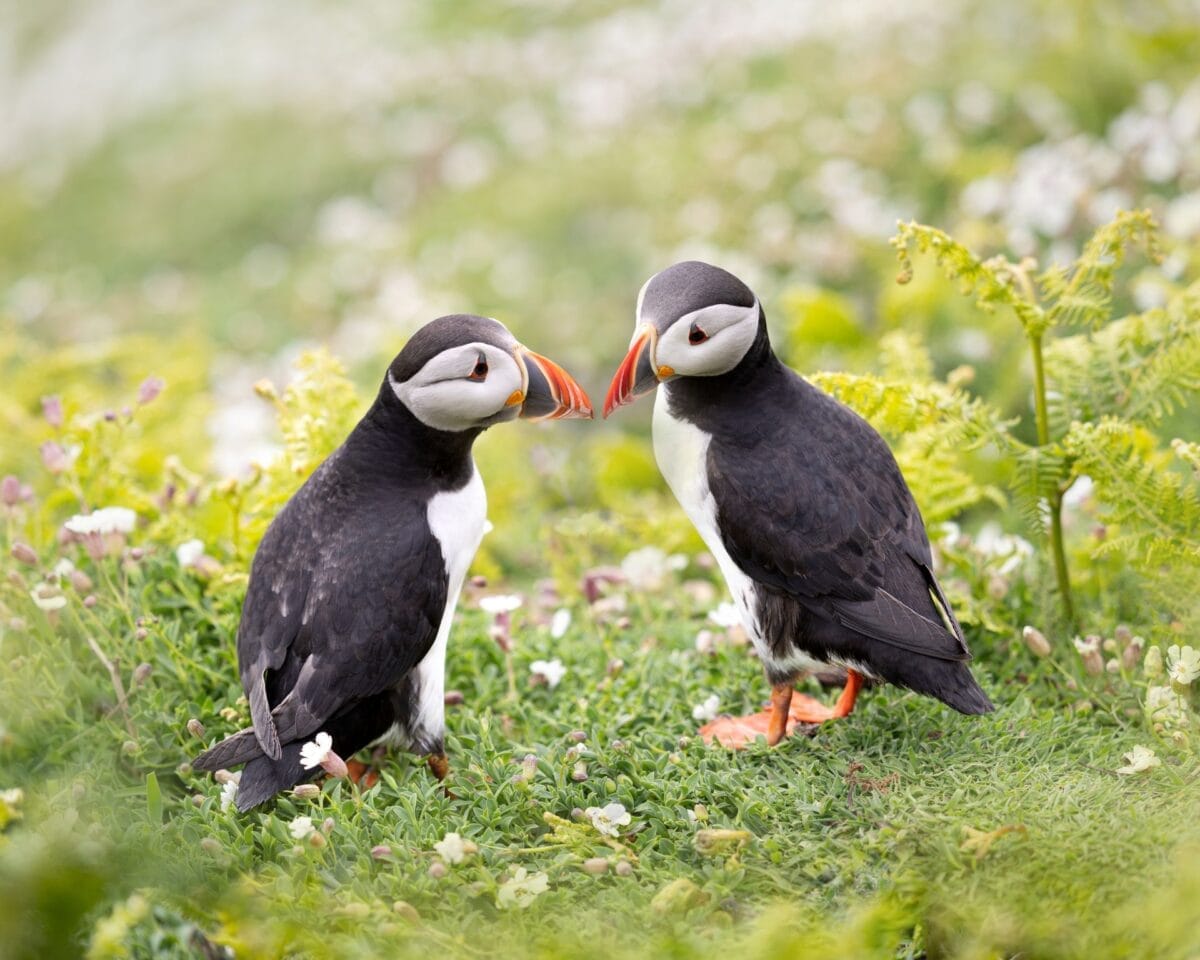
Atlantic puffins on Skomer Island — around 40,000 birds are present each year from mid-April to late July.
Wales has four major offshore islands open to visitors: Skomer, Ramsey, Caldey and Bardsey (Ynys Enlli). Skomer in Pembrokeshire is the puffin and Manx shearwater capital of southern Britain, with around 40,000 puffins present each summer and the largest single Manx shearwater colony in the world. Ramsey, an RSPB nature reserve off St Davids, has some of the highest sea cliffs in Wales and one of the largest grey seal colonies in Britain. Caldey, two miles off Tenby, is a working Cistercian monastery where monks have lived continuously since 1929 and where the island produces its world-famous perfume, chocolate and shortbread. Bardsey, off the tip of the Llŷn Peninsula, is Europe’s first International Dark Sky Sanctuary and one of the most remote inhabited islands in Britain. All four are reached by short ferry from the Welsh coast and all four can be visited as day trips between Easter and October.
This guide covers each island in turn — how to get there, when to go, what to see, what it costs, and where to stay. Information has been verified against the Wildlife Trust of South and West Wales, the Bardsey Island Trust, Caldey Island Cistercian Abbey, the RSPB and the official ferry operators as of June 2026.
Planning this trip? Ask Branwen, our free AI trip planner →
At a Glance: The Welsh Islands
- Skomer (Pembrokeshire): Puffins, Manx shearwaters, 250 daily visitor cap, Tuesday–Sunday 1 April to 30 September. Book 1 December.
- Ramsey (Pembrokeshire): RSPB reserve, grey seals, choughs, 1 April – 31 October daily except Fridays. Book through Thousand Islands Expeditions.
- Caldey (Pembrokeshire): Cistercian monastery, lighthouse, perfume and chocolate. 4 April – late October, Monday to Saturday. No pre-booking required.
- Bardsey/Ynys Enlli (Llŷn Peninsula): Europe’s first Dark Sky Sanctuary, working farm, off-grid. March–October day trips. Book via Bardsey Island Boat Trips.
- Booking pattern: Skomer (most competitive) opens 1 December for the year. Caldey is walk-up. Bardsey and Ramsey open earlier but recommended advance booking.
- Common: All four are weather-dependent, none are wheelchair accessible, dogs are not allowed on Skomer, Bardsey or Ramsey.
1. Skomer Island: Puffin Capital of Wales
Where Skomer is and what to expect
Skomer sits less than a mile off the Pembrokeshire coast, opposite Marloes Peninsula on the southwest tip of Pembrokeshire. The island is a National Nature Reserve managed by the Wildlife Trust of South and West Wales and is one of the most important seabird breeding sites in Europe. The numbers are extraordinary: around 40,000 puffins, nearly 350,000 breeding pairs of Manx shearwaters (the largest single colony in the world), thousands of guillemots, razorbills and kittiwakes, hundreds of fulmars, and one of Britain’s largest undisturbed Iron Age settlements with hut circles, cemeteries and field systems still visible across the centre of the island.
The visitor experience is in three parts: the 15-minute boat crossing from Martin’s Haven, the steep 87-step climb from the landing cove up to the clifftop, then 4.5 hours of unrestricted walking around the island. The most-visited spot is The Wick, a sheer cliff where puffins nest in burrows immediately above the path. You can sit on the opposite cliff and watch the puffins coming and going within a few feet of you. Photographic conditions are exceptional from mid-May to mid-July.
How to book Skomer day trips
Tickets are sold by Pembrokeshire Islands Boat Trips, the only operator licensed to land on the island. Bookings for the entire following year open on 1 December and the most popular dates sell out within days. 2026 ticket prices are £42 adult and £30 child for the first half of April, £46 adult and £30 child from 16 April to 31 July (the main puffin season), and £32 adult and £24 child for August and September. Infants travel free on the lap of a paying adult, but a ticket must still be booked for them. All prices include both the boat fare and the landing fee. A 6 percent booking fee applies to all online purchases. Tickets are non-refundable except where the operator cancels for unsafe sea conditions.
Visitor numbers are capped at 250 per day to protect the wildlife. The 2026 season runs from 1 April to 30 September. The island is closed on Mondays (a designated rest day for the reserve) except for Whitsun Week Holiday.
Sailings depart from Martin’s Haven every 30 minutes between 10am and noon. Your return boat is allocated at check-in according to your departure time — return sailings run between 3pm and 5pm, giving approximately 5 hours on the island for the earliest boat and 4.5 hours for the latest. You cannot change your return time once allocated.
When to visit Skomer for puffins
Puffins are on Skomer from mid-April to the end of July. They arrive to breed in mid-April, the eggs hatch in May, adults bring fish back to their burrows throughout June and early July, then the first birds begin leaving in mid-July. All puffins are gone by 31 July. The optimum viewing period is the first three weeks of June.
Outside the puffin window, Skomer remains exceptional for wildlife. May brings bluebells and pink campion in spectacular sheets across the island. August offers the Manx shearwater season, when adults return to feed their chicks at dusk. September has a reduced ferry schedule and the quietest visitor numbers.
Practical tips for Skomer
- Postcode for departure: SA62 3BH (Martin’s Haven, National Trust car park). Free for National Trust members, otherwise £7 per car.
- Check-in: Lockley Lodge, 1 hour before your boat departure time.
- Biosecurity: All bags must be zipped before boarding to protect ground-nesting birds from non-native predators.
- Bring: All your food, water (you can buy water on the island), sun protection, waterproofs and warm layers. There is no café on the island.
- Time on island: 4.5 to 5 hours depending on departure slot. Return boats run from 3pm to 5pm, allocated at check-in.
- Dogs: Not permitted.
- Closed days: Mondays (except Whitsun Week Holiday).
For more on the wider Pembrokeshire wildlife experience, see our guide to the best wildlife watching in Wales.
2. Ramsey Island: RSPB Wildlife Reserve off St Davids
Where Ramsey is and what to expect
Ramsey Island sits just over a mile offshore from St Davids, separated from the mainland by the narrow, turbulent Ramsey Sound. The island is an RSPB Nature Reserve with some of the highest sea cliffs in Wales (the Carn Llundain cliffs reach over 100 metres), an important breeding population of choughs and peregrine falcons, and one of the largest grey seal pup colonies in Britain — around 700 pups are born on the island’s remote beaches in late autumn each year.
Ramsey is visited primarily for the wildlife and the scenery. There are no buildings other than the RSPB warden’s cottages, the paths are maintained but unimproved, and the experience is one of being on a working nature reserve rather than a visitor attraction. The 15 to 20-minute boat crossing from St Justinian harbour is itself a wildlife experience — porpoises, dolphins and the occasional minke whale are seen in Ramsey Sound throughout the summer.
How to book Ramsey landings
Thousand Islands Expeditions holds the sole landing rights granted by the RSPB. Boats run from 1 April to 31 October, with morning sailings at 10am and noon and a 4pm return. Ramsey is closed on Fridays for warden work. A full landing day ticket is around £32 for adults with reduced rates for RSPB members. Booking ahead is strongly recommended, particularly in July and August.
The operator also runs a one-hour high-speed boat trip around the island (without landing), a four-hour wildlife-watching expedition further out to sea, and seasonal evening Manx shearwater trips in late summer.
Practical tips for Ramsey
- Departure: St Justinian (SA62), 2 miles west of St Davids by car or via the Celtic Coaster summer shuttle bus.
- Crossing time: 15 to 20 minutes.
- Time on island: Approximately 5.5 hours (10am drop, 4pm return) or 3.5 hours (noon drop, 4pm return).
- Closed days: Fridays throughout the season.
- Best for: Wildlife photographers, walkers, those who have already seen Skomer.
- Bring: Picnic and water (no facilities), binoculars, walking shoes.
- Dogs: Not permitted on the RSPB reserve.
3. Caldey Island: A Working Cistercian Monastery
Where Caldey is and what to expect
Caldey (Welsh: Ynys Bŷr) lies two miles off the Tenby coast and is one of the most-visited Welsh islands because no advance booking is required and the boat crossing is short. The island has been inhabited since the Old Stone Age — limestone caves have yielded bones of giant oxen, cave bear and Roman coins. A Celtic monastic community was established by St Pyro in the 6th century, was followed by Benedictine monks after the Norman Conquest, and after centuries of mixed ownership the island is now home to a permanent community of Cistercian monks who have lived there since 1929.
The Cistercian monks built the present Mediterranean-style abbey in 1910 and the community now produces the island’s famous perfume, dark chocolate and shortbread. The abbey itself is closed to the public, but visitors can attend the daily services in the abbey chapel, see the gift shop and chocolate factory, walk to the working lighthouse at the southern end of the island, picnic on the sandy Priory Beach, and visit the medieval Old Priory ruins.
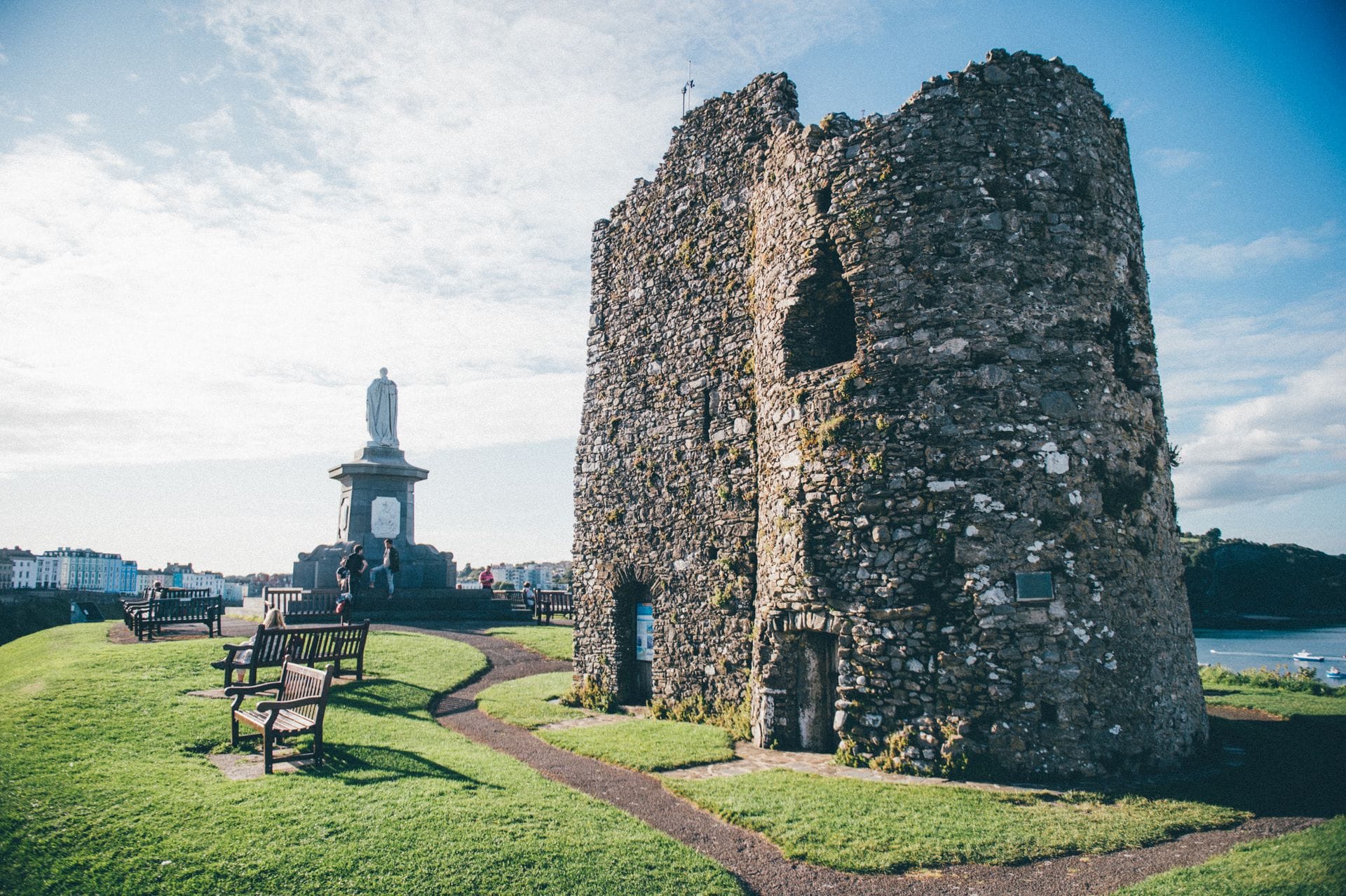
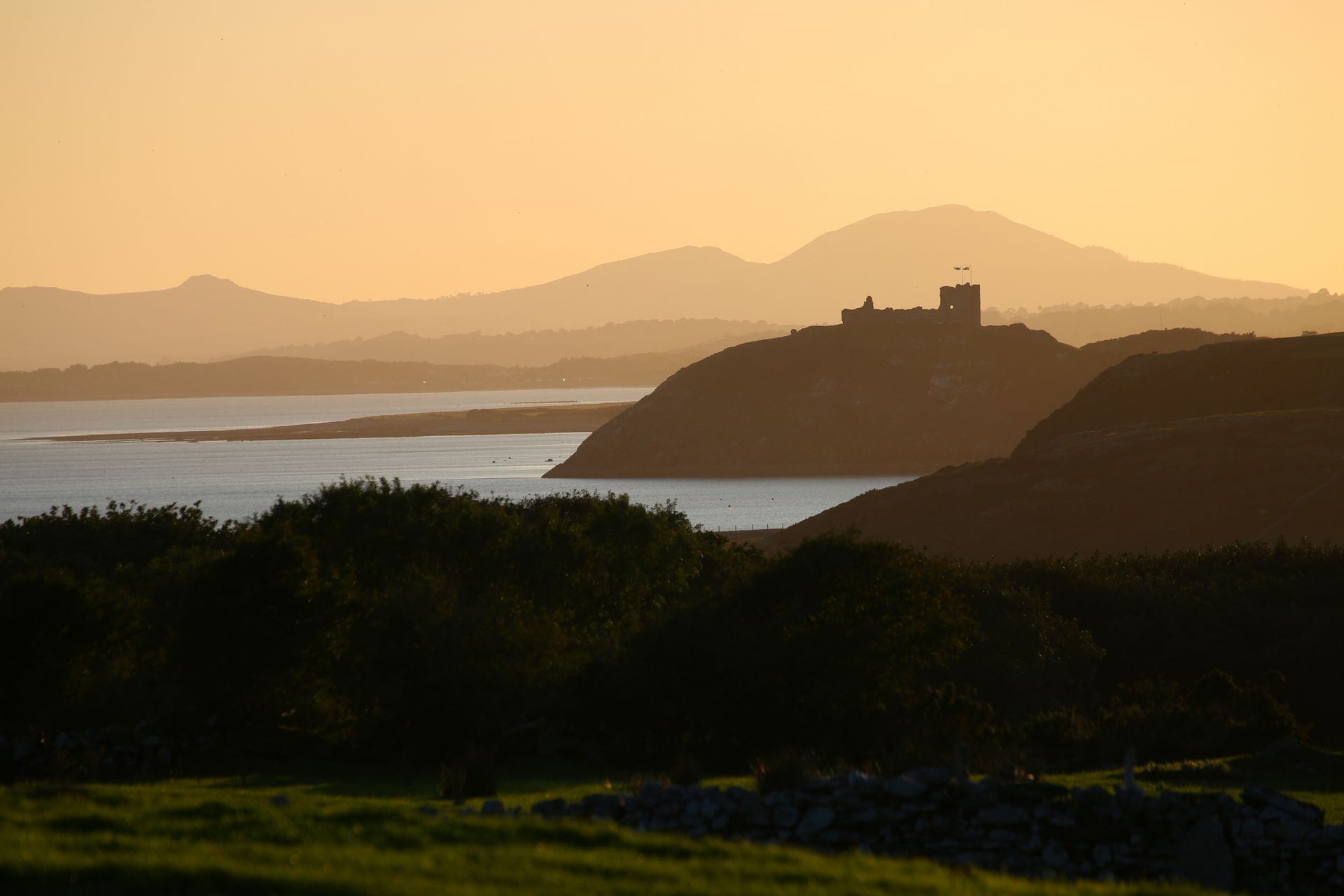
Caldey Abbey — built in 1910 in a Mediterranean style and home to a permanent Cistercian community since 1929.
How to book Caldey day trips
Unlike Skomer, Ramsey and Bardsey, no advance booking is required for Caldey. Boats run every 15 to 30 minutes from the Caldey Island ticket kiosk at the entrance to Tenby Harbour. Return tickets cost approximately £20 adult and £64.95 family in 2026. The crossing takes about 20 minutes and the island is open Monday to Saturday from 4 April to late October 2026, with Sundays open during school holidays. The island has historically been closed on Sundays as a day of rest for the monastic community.
Tickets are sold only on the day of travel. Sailings can be cancelled at short notice for unsafe sea conditions, so check the day’s status with the operator before travelling.
Practical tips for Caldey
- Departure: Caldey Island ticket office in Castle Square, Tenby (SA70 7EX). Boats leave from Tenby Harbour or, at low tide, from Castle Beach.
- Crossing time: 20 minutes.
- Time on island: Self-directed; usually 3 to 5 hours.
- Facilities: Café, toilets, gift shop, perfume shop, chocolate factory, post office museum.
- Dogs: Permitted (the only Welsh island that allows them).
- Combines with: A day in Tenby — easily a 4 to 5-hour island visit plus a half-day exploring the medieval walled town.
4. Bardsey Island (Ynys Enlli): Europe’s First Dark Sky Sanctuary
Where Bardsey is and what to expect
Bardsey, in Welsh Ynys Enlli (“the island in the currents”), lies two miles off the tip of the Llŷn Peninsula, across the often turbulent Bardsey Sound. The island is about a mile and a half long and half a mile wide, with its own mountain (Mynydd Enlli) rising to 167 metres at the eastern end. There is no electricity, no wifi and no mobile signal. Water is sourced from a single well. The island has a permanent year-round population of around ten, a working farm with cattle and sheep, and a small community of summer residents in the Bardsey Island Trust’s self-catering houses.
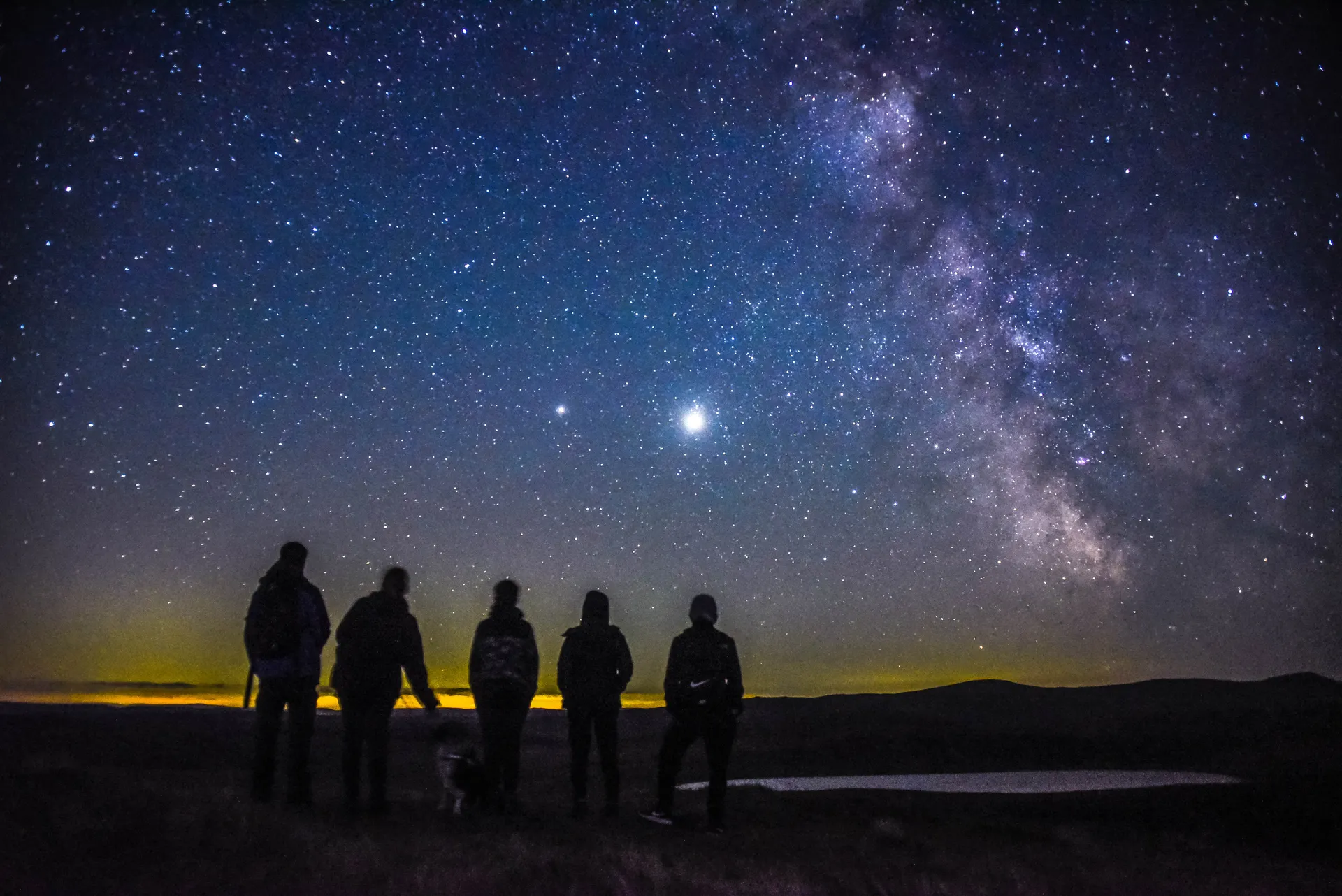
Bardsey was a major medieval pilgrimage destination — the saying went that three pilgrimages to Bardsey were equal to one to Rome. The ruined 13th-century abbey tower still stands near the centre of the island, and the entire eastern slope contains the unmarked graves of an estimated 20,000 medieval pilgrim-monks. In June 2023 the island was designated an International Dark Sky Sanctuary by DarkSky International — the first such designation anywhere in Europe and the strictest dark-sky category available.
For wildlife, Bardsey supports a colony of around 200 Atlantic grey seals, a breeding population of 20,000 Manx shearwaters, and is one of the best places in Britain to see harbour porpoises from the boat crossing.
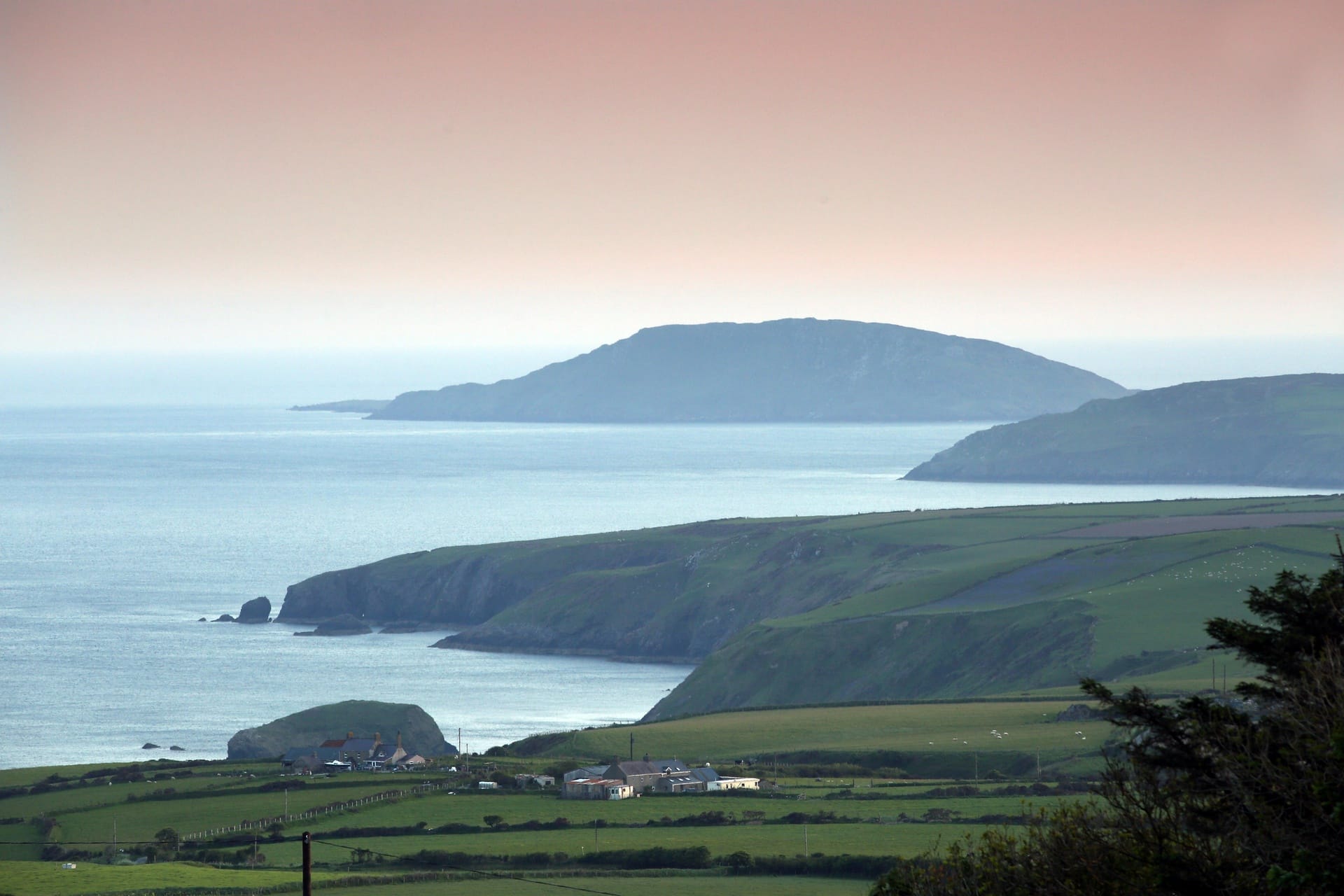
Bardsey Island (Ynys Enlli) — Europe’s first International Dark Sky Sanctuary, designated 2023.
How to book Bardsey day trips
Day trips run from March to October with Mordaith Llŷn (Bardsey Island Boat Trips), departing from Porth Meudwy, a small fishing cove near Aberdaron. The boat fare for 2025 was approximately £30 per person each way; 2026 prices may be slightly higher. From 2026, all landing fees are payable directly to the Bardsey Island Trust on arrival — £7.50 per adult, with all under-18s free. Trust members receive unlimited free landing.
There are usually three morning departures (around 09.30, 10.30 and 11.30) and three afternoon returns (around 13.30, 14.30 and 15.30), giving approximately four hours on the island. The crossing takes 20 to 30 minutes depending on the tide and sea state.
Staying overnight on Bardsey
The Bardsey Island Trust manages around ten Grade II-listed self-catering houses, lofts and a traditional Welsh crog-loft cottage, available for week-long stays April to September. The houses are off-grid (gas cooker, solar lamps, wood-burning stoves, compost toilets) but each has its own character — these are working historic farmhouses, not modern self-catering. Weekly boat fare is additional and crossings happen on Saturdays (weather permitting). Cars are parked at Cwrt Farm at the visitor’s own risk for around £20 per week. Bookings are managed through enlli.org.
Practical tips for Bardsey
- Departure: Porth Meudwy, near Aberdaron (LL53 8DA for the car park). 10 to 15-minute walk from car park to embarkation cove.
- Crossing time: 20 to 30 minutes.
- Time on island (day trip): Around 4 hours.
- Facilities: Compost toilet at Plas yard (10 to 15 minutes from landing), café at Ty Pellaf for hot drinks and pre-ordered hot meals.
- Dogs: Not permitted (working farm, ground-nesting birds, seal colony).
- Mobile signal: Almost none on the island, patchy on the mainland approach.
- Best for: Birdwatchers, dark-sky photographers, walkers, people who want genuine off-grid remoteness.
Comparing the Four Islands
If you have time for only one Welsh island, which should it be? The honest answer depends entirely on what you want:
- For seabirds and puffins: Skomer, no contest. The density and proximity of wildlife is unmatched anywhere in southern Britain.
- For ease of access: Caldey. No pre-booking, short crossing, well-developed facilities, dogs permitted.
- For dramatic coastal scenery and serious wildlife: Ramsey. The cliffs are higher and the wildlife corridor through Ramsey Sound is exceptional.
- For remoteness, history and dark skies: Bardsey. Nothing else in Wales delivers off-grid, pilgrimage-route remoteness in the same way.
- For a weekend with multiple islands: Base yourself in Pembrokeshire and visit Caldey on Day 1 (no booking) and Skomer on Day 2 (booked months ahead). Skomer is the harder ticket — plan around its availability.
Where to Stay for a Welsh Islands Trip
For Skomer, Ramsey and Caldey, base yourself in Pembrokeshire — Tenby for Caldey, Marloes or Haverfordwest for Skomer, St Davids for Ramsey. For Bardsey, base yourself on the Llŷn Peninsula, ideally in Aberdaron or Abersoch. Pembrokeshire and the Llŷn are at opposite ends of Wales and combining all four islands into a single trip realistically requires at least a week with a car.
Find Hotels and Cottages Near the Welsh Islands
Browse the interactive map below to see real-time hotel and cottage prices in Tenby, St Davids, Marloes, Aberdaron and the wider Pembrokeshire and Llŷn Peninsula areas — perfect for planning a Welsh islands trip.
Booking sequence for a full Welsh islands trip: Book Skomer first the moment tickets open on 1 December — Skomer is the constraint everything else flexes around. Then book Bardsey for the same or adjacent week (April–October, weekly cottages from the Trust). Caldey and Ramsey can be added flexibly closer to the date.
The Lesser-Known Welsh Islands
Wales has many smaller islands beyond the four main visitor destinations. Most are not open to the public, but several are worth knowing about:
- Grassholm: Wildlife Trust and RSPB-managed, 12 miles offshore from Pembrokeshire. Home to 39,000 pairs of breeding gannets — the third largest gannetry in the UK. Landing is not permitted; viewable only by boat circumnavigation.
- Middleholm and Skokholm: smaller siblings of Skomer, off the Pembrokeshire coast. Skokholm has overnight accommodation managed by the Wildlife Trust and a similar but quieter wildlife experience to Skomer.
- Flat Holm: in the Bristol Channel off Cardiff. Site of Marconi’s first wireless transmission across open water in 1897. Open seasonally to day visitors via Bay Island Voyages from Cardiff Bay.
- St Margaret’s Island: adjacent to Caldey, a Wildlife Trust nature reserve. No public access — viewable from Caldey or from Tenby.
- Cardigan Island: a Wildlife Trust reserve off the Ceredigion coast at the mouth of the Teifi. No public access; managed for grey seals and seabirds.
- Puffin Island (Ynys Seiriol): at the eastern tip of Anglesey. Open viewing by boat from Beaumaris with Seacoast Safaris. Despite its name, the puffin population has been reduced by rat predation — though restoration efforts are underway.
When to Visit the Welsh Islands
April to mid-May: Quiet shoulder season
Skomer opens, bluebells appear, puffins begin arriving but populations are still building. Caldey is open from 4 April. Bardsey day trips and weekly stays begin. Cooler temperatures, fewer crowds, lower accommodation prices.
Mid-May to mid-July: Peak season
The full puffin window on Skomer. Manx shearwater season just beginning. All islands fully operational. Highest visitor demand, especially Skomer. Book accommodation by February for July visits.
Late July to August: Late summer
Puffins gone from Skomer by 31 July; Manx shearwaters at peak feeding. Caldey at its busiest. Best month for Bardsey weather. Grey seal pup season approaches.
September to October: Wildlife at its richest
Grey seal pups born on Ramsey, Bardsey and Skomer beaches. Quieter visitor numbers. Bardsey dark-sky season begins as evenings draw in. Skomer reduces to a reduced ferry schedule. Most operators end the season by 31 October.
November to March: Closed season
No day trips operate. All four islands close to public visitors. The wildlife continues without us — and the sense of these being genuine living islands, not visitor attractions, is reinforced by knowing they spend half the year off-limits.
Frequently Asked Questions: The Welsh Islands
Which Welsh island has the most puffins?
Skomer Island in Pembrokeshire has the largest puffin colony in southern Britain, with around 40,000 puffins present from mid-April to late July. The peak viewing period is mid-May to mid-July, when birds are actively breeding and bringing fish back to their burrows. Skomer is also home to almost 350,000 breeding pairs of Manx shearwaters, the largest single colony in the world. Day-trip tickets are sold by Pembrokeshire Islands Boat Trips and the entire season usually sells out within days of booking opening on 1 December for the following year.
How do I visit the Welsh islands?
The four main Welsh islands open to visitors are reached by short ferry: Skomer (15 minutes from Martin’s Haven), Ramsey (20 minutes from St Justinian), Caldey (20 minutes from Tenby Harbour) and Bardsey or Ynys Enlli (20 to 30 minutes from Porth Meudwy near Aberdaron). All four require pre-booking for landing, all four operate seasonally between Easter and October, and all four are weather-dependent. Skomer is the most heavily-booked and tickets typically sell out within the first week of December for the entire following year.
When can I see puffins on Skomer Island?
Puffins are on Skomer Island from mid-April to the end of July. They arrive to breed in mid-April, the eggs hatch in May, and adults bring fish back to their burrows throughout June and early July. The first puffins begin leaving in mid-July and all are gone by 31 July. The peak photographic period is the first three weeks of June, when puffins are most numerous and visible. Visitor numbers are capped at 250 per day and tickets sell out almost immediately when booking opens on 1 December each year for the following season.
Can you stay overnight on the Welsh islands?
Yes, on three of the four. Bardsey Island has approximately ten self-catering Grade II-listed cottages and lofts managed by the Bardsey Island Trust, bookable for weekly stays April to September. Skomer has limited accommodation managed by the Wildlife Trust of South and West Wales for up to 16 overnight guests, though commercial overnight trips ended in 2026. Caldey Island has no overnight visitor accommodation (the monastery is closed to overnight guests). Ramsey Island is a day-visit only RSPB reserve with no public accommodation.
How much does it cost to visit a Welsh island?
Skomer 2026 prices: £42 adult, £30 child for 1 to 15 April; £46 adult, £30 child for 16 April to 31 July (peak puffin season); £32 adult, £24 child for August to September. Infants travel free on the lap of a paying adult but must still have a ticket. Caldey: around £20 adult return boat ticket, £64.95 family ticket. Ramsey: around £32 adult landing ticket via Thousand Islands Expeditions. Bardsey: around £30 boat fare per person each way (Mordaith Llŷn) plus £7.50 adult landing fee payable to Bardsey Island Trust on arrival (under-18s free). A 6 percent booking fee applies to Skomer online purchases. All boats are weather-dependent and non-refundable except where the operator cancels for unsafe sea conditions.
Which Welsh island is the most remote?
Bardsey Island (Ynys Enlli), off the tip of the Llŷn Peninsula, is the most remote Welsh island open to visitors. The island is two miles offshore across the often turbulent Bardsey Sound, has no electricity, no wifi, and water sourced from a well. It is also home to the highest dark-sky designation of any place in Wales, having been awarded International Dark Sky Sanctuary status by DarkSky International in 2023 — Europe’s first. Ramsey Island off St Davids is also notably remote and difficult to reach in poor weather.
Is Skomer Island wheelchair accessible?
No. None of the four main Welsh visitor islands are wheelchair accessible. Skomer requires climbing the 87 steps from the landing cove to the clifftop and the paths are uneven and rocky. Caldey has limited level access in the village but the lighthouse walk and most coastal paths are unsuitable. Ramsey involves a steep landing and clifftop paths. Bardsey requires a 10 to 15-minute walk on uneven ground from the landing cove. Visitors with mobility concerns should contact the operators directly to discuss what is possible.
Wildlife Boat Tours in Wales – Skomer, Ramsey, Puffin Island
Ferry landings are one option – dedicated wildlife boat tours are the other. For every verified 2026 operator running Skomer puffin landings, Ramsey Sound wildlife cruises, Pembrokeshire offshore whale trips, Cardigan Bay dolphin tours and Puffin Island (Anglesey) cruises – with pricing, seasonal timings and booking advice – see our complete guide to Wildlife Boat Tours in Wales.
More Welsh Travel Guides
Pembrokeshire-born travel writer and founder of Wales.org. Born in Haverfordwest, now based in Hertfordshire — covering Welsh castles, national parks, festivals and family staycations across all 22 Welsh counties.