

How to Pronounce Welsh Place Names: A Visitor’s Guide
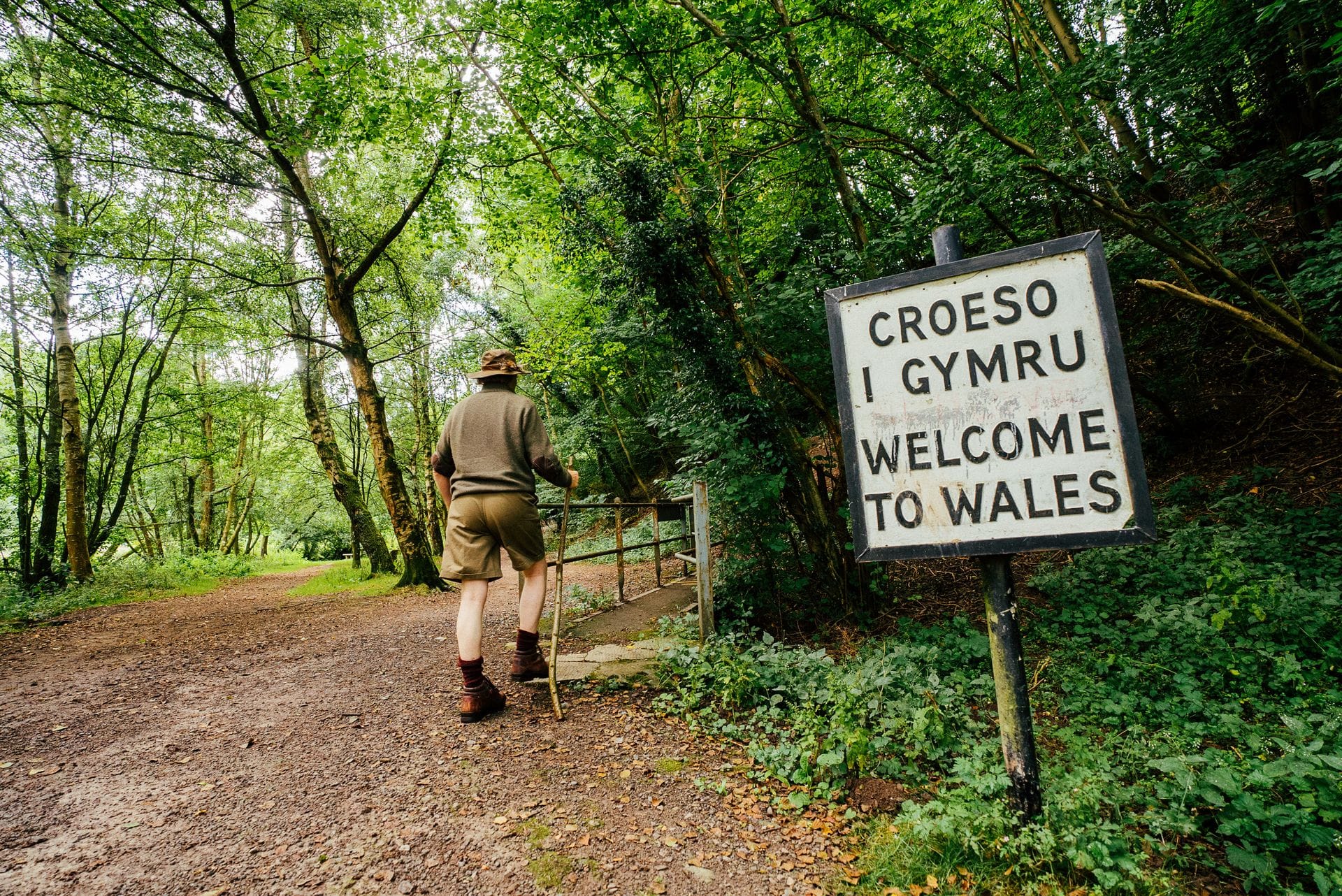
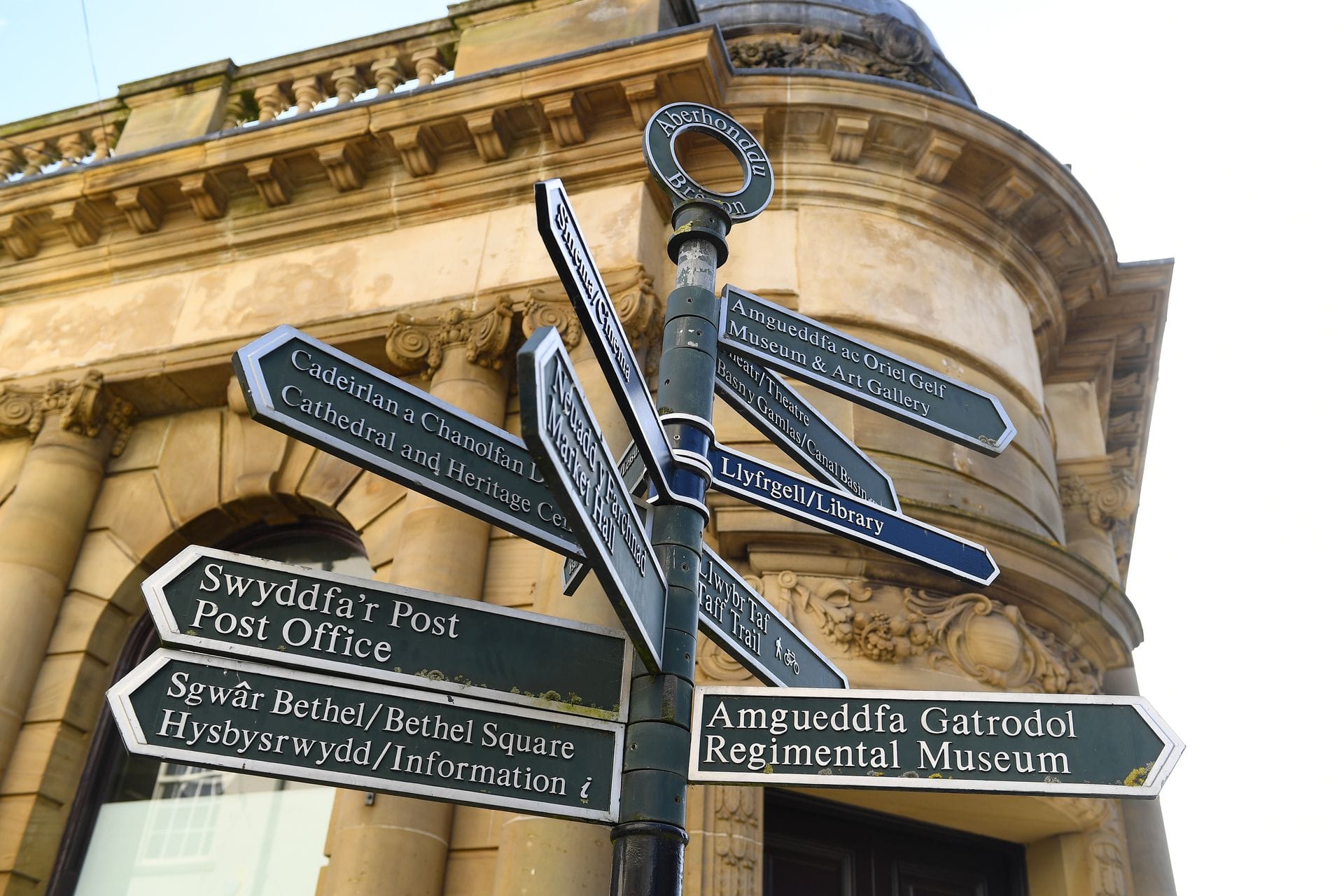
Welsh place names appear bilingually across the country — every Welsh sound is pronounced consistently once you know the rules.
Welsh place names look intimidating to English speakers but they are surprisingly logical once you learn seven distinctive sounds. The Welsh language is one of the most phonetically consistent writing systems in Europe — every letter (and digraph like LL, DD, CH) always makes the same sound, with no silent letters and no exceptions. The seven sounds visitors most need to learn are LL, DD, TH, CH, F, FF and W. Get these and you can read any Welsh place name aloud, from the everyday (Llandudno, Eryri, Cardiff) to the famously long Llanfairpwllgwyngyllgogerychwyrndrobwllllantysiliogogogoch.
This guide gives the seven essential sounds, the stress rules (it is almost always the second-to-last syllable), and pronunciation tables for the most-visited place names in each region of Wales. Use it as a cheat sheet before your trip or during it. All pronunciations have been verified against the Welsh Government’s official Welsh-language guidance and the BBC Cymru Wales pronunciation standard.
Planning this trip? Ask Branwen, our free AI trip planner →
At a Glance: Welsh Pronunciation
- LL — voiceless lateral fricative, a breathy “thl” (Llandudno = thlan-DID-no)
- DD — soft “th” as in “this” (Eryri’s neighbour Yr Wyddfa = uhr WITH-va)
- TH — hard “th” as in “think”
- CH — guttural “kh” as in Scottish “loch”
- F — “v” as in “veil” (Caerphilly’s Welsh form, Caerffili = kair-FILL-ee)
- FF — “f” as in “fail”
- W — vowel “oo” as in “boot” (Cymru = KUM-ree)
- Stress: almost always on the second-to-last syllable
- Rule of thumb: every letter is pronounced, every letter always sounds the same
The Seven Sounds That Unlock Welsh
Learn these seven and you can read any Welsh place name on a road sign. They are the only sounds that consistently catch English speakers out.
LL
How to make it: Put your tongue in the position you would use for an L (touching the roof of your mouth) and blow air out the sides. The closest English approximation is a breathy “thl” sound — some hear it as a cat hissing.
Examples: Llandudno (thlan-DID-no), Llanelli (thla-NETH-lee), Llanfair (thlan-VYRE).
DD
How to make it: The soft “th” sound, as in the English words “this”, “that” and “breathe”. DD is voiced (your vocal cords vibrate).
Examples: Yr Wyddfa (uhr WITH-va), Eryri’s Llanfairfechan area, Rhondda (RON-tha).
TH
How to make it: The hard “th” sound, as in the English words “think”, “thin” and “thrill”. TH is unvoiced.
Examples: Cathays (Cardiff’s central district, ka-THAYS), Aberthaw.
CH
How to make it: A guttural sound made at the back of the throat, identical to the CH in Scottish “loch” or German “Bach”. Not the English CH in “church”.
Examples: Bannau Brycheiniog (BAN-eye bruh-KHAIN-yog), Bach (BAKH), Llanfairfechan (thlan-vyre-VEKH-an).
F
How to make it: A “v” sound, as in the English word “veil”. Welsh F is always pronounced as English V.
Examples: Caerffili (the Welsh form of Caerphilly, kair-FILL-ee — here the FF, not the F), Yr Wyddfa (uhr WITH-va), Trefor (TREV-or).
FF
How to make it: An “f” sound, as in the English word “fail”. Where English uses one F, Welsh uses two.
Examples: Ffestiniog (fes-TIN-yog), Caerffili (kair-FILL-ee), Crymych (KRUM-ich).
W and Y (the Welsh vowels)
W is a vowel in Welsh, not a consonant. It makes an “oo” sound, as in “boot” or “book”. Examples: Cymru (KUM-ree), Cwm (KOOM), Mawddach (MOWTH-akh).
Y changes by position. In the last syllable of a word it sounds like “ih” (as in “bin”). Anywhere else, it sounds like “uh” (as in “but”). So Mynydd (mountain) is MUN-ith, with the first Y as “uh” and the second as “ih”.
The Stress Rule
Welsh stress almost always falls on the second-to-last syllable (the penultimate syllable). This is the single biggest difference from English place-name stress, where stress patterns vary wildly. Once you know the Welsh rule, you can pronounce any place name with confidence even if you have never heard it spoken before.
- Llandudno: thlan-DID-no — stress on DID, the middle syllable (penultimate)
- Aberystwyth: ab-er-UST-with — stress on UST
- Caernarfon: kair-NAR-von — stress on NAR
- Pontypridd: pon-tuh-PREETH — stress on PREETH
Exceptions exist (mostly loan words from English and a small handful of native words ending in two syllables that take final-syllable stress), but for visitor purposes the penultimate-syllable rule is reliable enough to get you understood across Wales.
High-Performing Place Name Breakdowns by Region
North Wales has the highest concentration of Welsh-language daily use in the country and the densest cluster of difficult pronunciations. These are the place names most visitors will need.
| Place name | Pronunciation | Meaning |
|---|---|---|
| Eryri | eh-RUH-ree | “Land of the eagles” — the Welsh name for Snowdonia National Park |
| Yr Wyddfa | uhr WITH-va | “The tumulus” — the Welsh name for Mount Snowdon, highest peak in Wales |
| Llandudno | thlan-DID-no | “Tudno’s parish” — the largest seaside resort in Wales |
| Caernarfon | kair-NAR-von | Fort facing Anglesey” — home of Caernarfon Castle |
| Conwy | CON-wee | The walled town and its castle, on the Conwy River |
| Betws-y-Coed | BET-oos uh COYD | “Prayer house in the woods” — gateway village to Eryri |
| Beddgelert | beth-GEL-ert | “Gelert’s grave” — village in Eryri |
| Penmaenmawr | pen-mine-MOWR | “The great stone headland” |
| Llanberis | thlan-BER-iss | Village at the base of Yr Wyddfa, start of the Llanberis Path |
| Bangor | BANG-or | University city near the Menai Strait |
| Anglesey | ANG-gull-see | English name for the island; Welsh: Ynys Môn (UH-niss MOAN) |
| Llanfairpwll | thlan-vyre-POOTH | Short form of Anglesey’s famous 58-letter name |
| Ffestiniog | fes-TIN-yog | The slate-quarrying town and the heritage railway terminus |
| Blaenau Ffestiniog | BLY-nye fes-TIN-yog | “Upper Ffestiniog” — the slate capital of Wales |
| Porthmadog | porth-MAD-og | “Madog’s harbour” — railway and harbour town |
| Portmeirion | port-MAY-ree-on | Italian-style coastal village, location of The Prisoner |
| Llanrwst | thlan-ROOST | Market town in the Conwy Valley |
| Bethesda | beth-EZ-da | Quarry town below the Carneddau mountains |
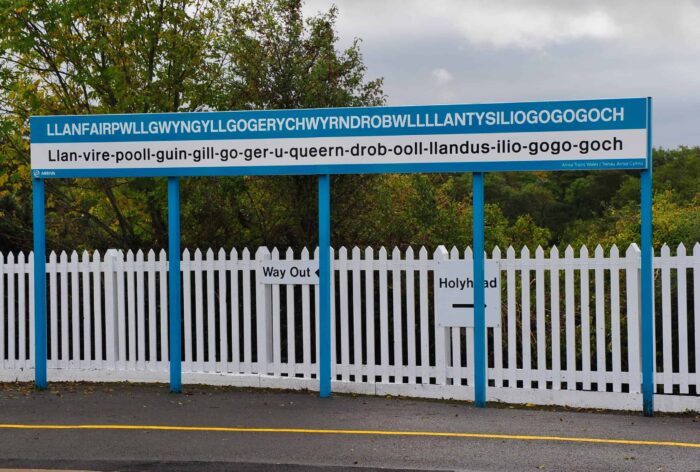
Llanfairpwll station — home of Europe’s longest place name and the most-photographed sign in Wales.
How to Pronounce: Mid Wales
Mid Wales place names are slightly more accessible to English speakers than the North, but a few classic traps appear here.
| Place name | Pronunciation | Meaning |
|---|---|---|
| Aberystwyth | ab-er-UST-with | “Mouth of the Ystwyth” — university town on Cardigan Bay |
| Powys | POW-iss | The largest Welsh county by area |
| Bannau Brycheiniog | BAN-eye bruh-KHAIN-yog | “The peaks of Brychan’s kingdom” — Welsh name for Brecon Beacons |
| Machynlleth | ma-KHUN-thleth | “Field of the dripping” — ancient capital of Wales |
| Hay-on-Wye | HAY on WHY | English name; Welsh: Y Gelli Gandryll (uh GETH-lee gan-DRITH) |
| Llandrindod Wells | thlan-DRIN-dod | “Church of the Trinity” — Victorian spa town |
| Llanwrtyd Wells | thlan-OOR-tid | Britain’s smallest town, home of bog snorkelling |
| Builth Wells | BILTH | Welsh: Llanfair-ym-Muallt (thlan-vyre uhm MEE-ahlt) |
| Rhayader | RAY-ah-dur | “Waterfall” — gateway to the Elan Valley reservoirs |
| Newtown | NEW-town | English name; Welsh: Y Drenewydd (uh dre-NEW-ith) |
| Tywyn | TUH-win | Seaside town and home of the Talyllyn Railway |
| Dolgellau | dol-GETH-lye | “Meadow of the cells” — gateway to Cadair Idris |
| Cadair Idris | CAD-eye-r ID-riss | “The chair of Idris” — the great southern mountain of Eryri |
How to Pronounce: South Wales
South Wales contains the most populous cities and the most-visited tourist destinations. Many names are familiar in English form but have important Welsh originals worth knowing.
| Place name | Pronunciation | Meaning |
|---|---|---|
| Cardiff | CAR-diff | English name; Welsh: Caerdydd (kair-DEETH) |
| Swansea | SWON-zee | English name; Welsh: Abertawe (ab-er-TOW-eh) |
| Newport | NEW-port | English name; Welsh: Casnewydd (kass-NEW-ith) |
| Caerphilly | kair-FILL-ee | Welsh: Caerffili — home of the cheese and the largest Welsh castle |
| Merthyr Tydfil | MUR-thur TID-vil | “Tydfil’s martyrdom” — former iron-and-coal capital |
| Pontypridd | pon-tuh-PREETH | “Bridge by the earthen house” — Rhondda Valley gateway |
| Rhondda | RON-tha | The famous mining valley (and its two branches, Rhondda Fawr and Rhondda Fach) |
| Abergavenny | ab-er-ga-VEN-ee | Welsh: Y Fenni (uh VEN-ee) |
| Mumbles | MUM-buls | Welsh: Mwmbwls (MOOM-bools) — Swansea’s seaside village |
| Penarth | pen-ARTH | “Headland” — Victorian seaside town near Cardiff |
| Barry Island | BARRY EYE-land | Welsh: Ynys y Barri (UH-niss uh BAR-ee) |
| Aberdulais | ab-er-DIL-iss | Waterfall village in the Vale of Neath |
| Cwmbran | koom-BRAN | “Valley of the crow” — new town near Newport |
| Llantwit Major | thlan-TWIT | Vale of Glamorgan medieval village |
How to Pronounce: West Wales
West Wales — Pembrokeshire, Carmarthenshire and Ceredigion — has a strong Welsh-speaking heartland and many archetypal Welsh place names.
| Place name | Pronunciation | Meaning |
|---|---|---|
| Pembrokeshire | PEM-broke-sheer | Welsh: Sir Benfro (seer BEN-vro) |
| Tenby | TEN-bee | Welsh: Dinbych-y-Pysgod (DIN-bikh uh PUS-god) — “fortlet of the fish” |
| St Davids | SAINT DAY-vids | Welsh: Tyddewi (tuh-THE-wee) — Britain’s smallest city |
| Carmarthen | car-MARTH-en | Welsh: Caerfyrddin (kair-VUR-thin) — county town of Carmarthenshire |
| Llanelli | thla-NETH-lee | Carmarthenshire town, home of the Scarlets rugby club |
| Llandeilo | thlan-DAY-lo | “Teilo’s parish” — pretty market town on the Tywi |
| Llandovery | thlan-DUV-er-ee | Welsh: Llanymddyfri (thlan-uhm-THUV-ree) — gateway to Bannau Brycheiniog |
| Ceredigion | ker-eh-DIG-yon | The Cardigan Bay county |
| Aberaeron | ab-er-EYE-ron | Colourful Georgian harbour town |
| Fishguard | FISH-gard | Welsh: Abergwaun (ab-er-GWY-n) |
| Newcastle Emlyn | NEW-castle EM-lin | Welsh: Castell Newydd Emlyn |
| Cardigan | CAR-di-gan | Welsh: Aberteifi (ab-er-TAY-vee) |
| Mwnt | MOONT | Tiny chapel and beach on the Ceredigion coast |
| Cwmtydu | koom-TUD-ee | Hidden cove south of New Quay |
How to Pronounce: Common Welsh Words You’ll See on Signs
Welsh place names are built from a small number of recurring root words. Learn these and the meaning of any new place name becomes guessable.
| Welsh word | Pronunciation | Meaning and example |
|---|---|---|
| Llan | thlan | Parish, church enclosure (Llandudno, Llanelli, Llanberis) |
| Aber | AB-er | River mouth, estuary (Aberystwyth, Aberaeron) |
| Caer / Caerfa | kire | Fort, fortified place (Caernarfon, Caerphilly) |
| Porth | porth | Harbour, port, gateway (Porthmadog, Portmeirion) |
| Pen | pen | Head, headland, top (Penarth, Penmaenmawr) |
| Cwm | koom | Valley, glacial bowl (Cwmbran, Cwm Idwal) |
| Bryn | brin | Hill (Brynmawr, Bryncrug) |
| Mynydd | MUN-ith | Mountain (Mynydd Epynt, Mynydd Mawr) |
| Afon | AV-on | River (Afon Tywi, Afon Conwy) |
| Ynys | UH-niss | Island (Ynys Môn, Ynys Enlli) |
| Bach / Fach | BAKH / VAKH | Small (Rhondda Fach = “Little Rhondda”) |
| Mawr / Fawr | MOWR / VOWR | Big (Rhondda Fawr = “Great Rhondda”) |
| Newydd | NEW-ith | New (Casnewydd = “New fort”, the Welsh for Newport) |
| Dinas | DIN-ass | City, fort (Dinbych = Tenby) |
| Castell | KAS-teth | Castle (Castell Coch, Castell Caerffili) |
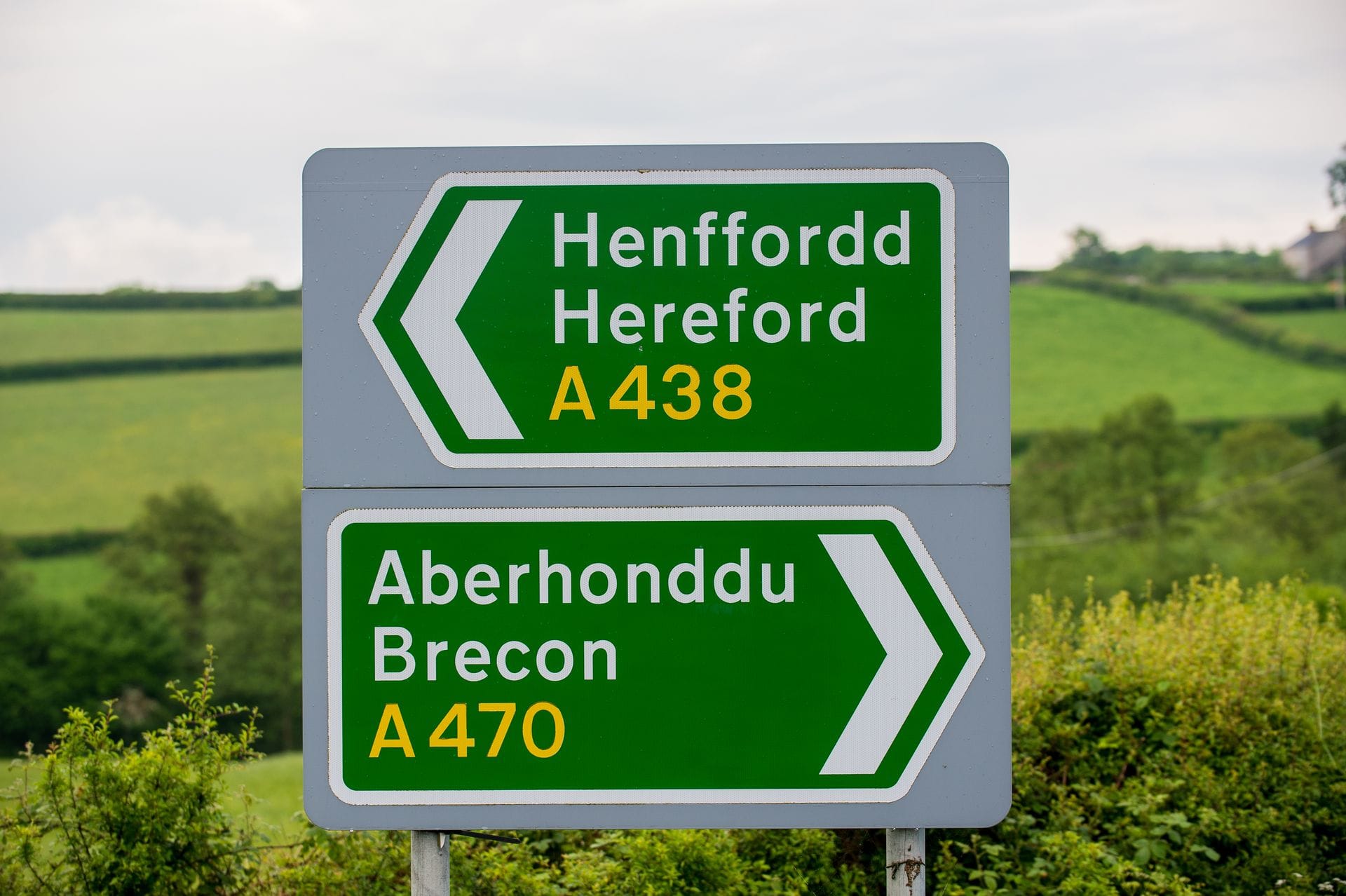
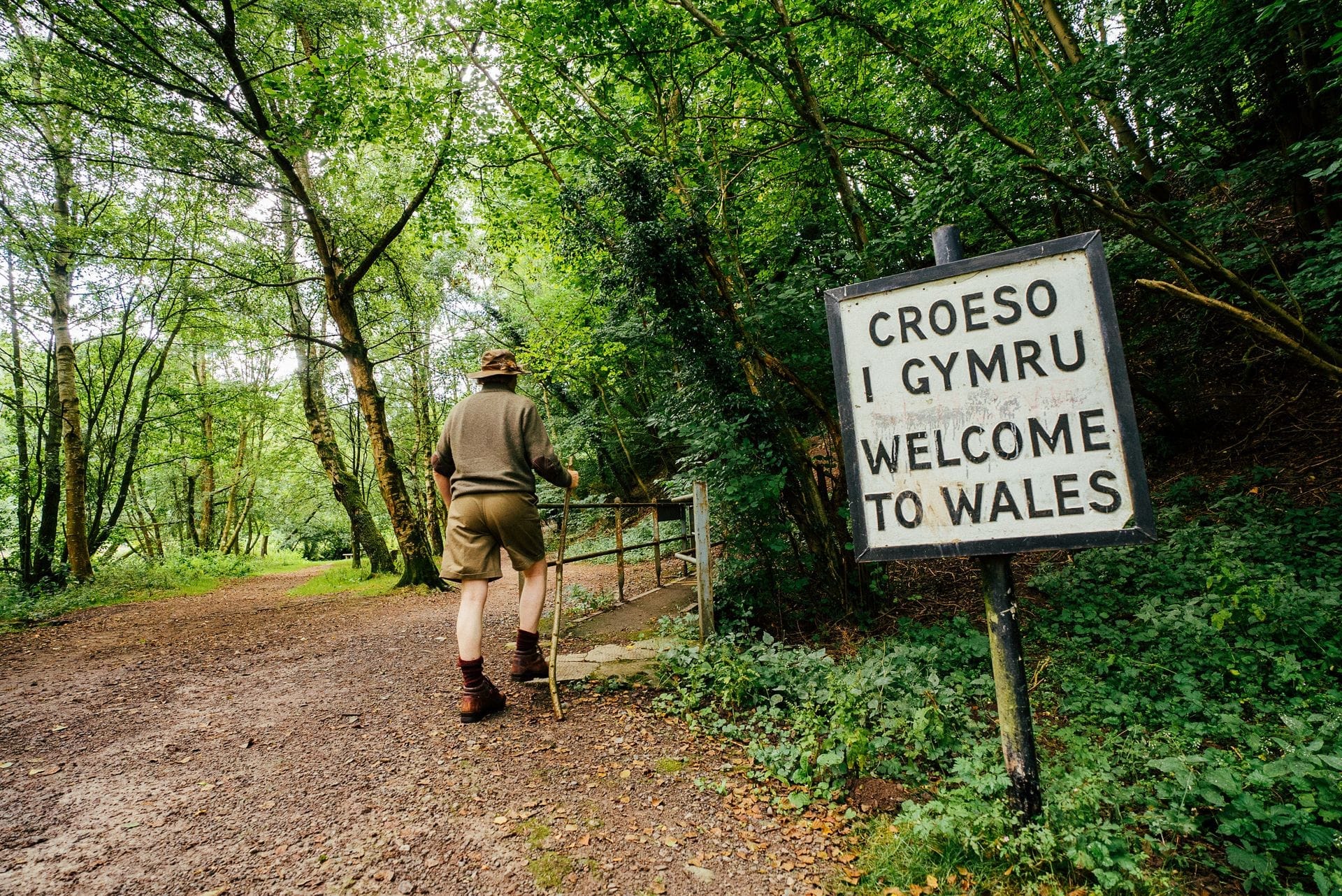
All Welsh road signs are bilingual, with the Welsh name first across most of the country.
The Longest Welsh Place Name
The 58-letter Anglesey village name Llanfairpwllgwyngyllgogerychwyrndrobwllllantysiliogogogoch is the longest place name in Europe and the second-longest one-word place name in the world. It is pronounced approximately:
thlan-vire-POOTH-gwin-gith / go-ger-uh-khwirn-DROB-ooth / thlan-tuh-SIL-yo / go-go-GOKH
The name was deliberately invented in the 1860s for tourist publicity. It translates as: “St Mary’s church in the hollow of the white hazel near a rapid whirlpool and the church of St Tysilio of the red cave”. Locals call it Llanfairpwll, Llanfair PG, or simply “PG”. The full 58-letter name is, however, the official one, recognised by the Office for National Statistics and used on the railway station sign — the most-photographed station sign in Wales.
Counting trivia: the name has 58 letters in English orthography but the Welsh alphabet treats ll, ch and ng as single letters, which means it contains 51 letters in Welsh. The 2011 census recorded the village as having a population of 3,107, of whom 71 percent spoke Welsh as a first language.
Why Welsh Pronunciation Matters for Visitors
Making the effort to pronounce Welsh place names correctly is the single most valued courtesy a visitor can offer in Wales. Welsh is one of the oldest living languages in Europe, spoken daily by around 900,000 people across the country, and protected in law by the Welsh Language (Wales) Measure 2011, which gives it equal official status with English. The 2032 Welsh Government target is one million Welsh speakers.
The practical reasons matter too. Bilingual road signs put the Welsh name first in most of the country, and asking for “Saint Davids” rather than “Tyddewi” in St Davids itself usually works, but moving away from main tourist areas (particularly in the North and West) you may find that station announcements, local pub conversations and farm-gate directions are entirely in Welsh.
The locals’ rule: Welsh-speakers do not expect visitors to be fluent. They notice and appreciate effort. Trying to pronounce a place name and being gently corrected is a successful first interaction. Refusing to attempt the name (or worse, mocking it) is not.
Five Welsh Place Names That Sound Different Than They Look
These five are the most commonly mispronounced by visitors and worth practising before you arrive:
- Betws-y-Coed is BET-oos uh COYD, not “bet-wuhs-why-coed”. Coed is one syllable, not two.
- Llanelli is thla-NETH-lee. Both sets of double-Ls require the breathy Welsh sound. Never pronounce it “lan-elly”.
- Caerphilly is kair-FILL-ee, not “care-philly”. The C is hard.
- Rhondda is RON-tha, not “ron-da”. The DD is a soft “th”.
- Yr Wyddfa is uhr WITH-va, not “wid-fa”. The W is a vowel, the DD is “th”, the F is “v”.
Useful Welsh Phrases for Visitors
| Welsh phrase | Pronunciation | English |
|---|---|---|
| Bore da | BOR-eh DAH | Good morning |
| Prynhawn da | prun-HOWN DAH | Good afternoon |
| Nos da | NOSE DAH | Good night |
| Diolch | DEE-olkh | Thank you |
| Diolch yn fawr | DEE-olkh un VOWR | Thank you very much |
| Croeso | CROY-so | Welcome |
| Hwyl | HOO-il | Bye / cheers |
| Iechyd da | YAKH-id DAH | Cheers (when toasting) |
| Cymru am byth | KUM-ree am BITH | Wales forever |
| Os gwelwch yn dda | oss GWEL-ookh un THAH | Please |
Frequently Asked Questions: Welsh Pronunciation
How do you pronounce LL in Welsh?
The Welsh LL is a voiceless lateral fricative. To make it, put your tongue in the position you would use to say L (touching the roof of your mouth) and blow air out the sides. The closest English approximation is a breathy “thl” or “hl” sound, similar to a cat hissing. It is the most distinctive sound in Welsh and appears at the start of countless place names (Llandudno, Llanelli, Llandeilo). LL is treated as a single letter in the Welsh alphabet, not two letters.
How do you pronounce Llanfairpwllgwyngyll?
The full Anglesey village name Llanfairpwllgwyngyllgogerychwyrndrobwllllantysiliogogogoch is pronounced approximately thlan-vire-pooth-gwin-gith / go-ger-uh-khwirn-drob-ooth / thlan-ti-silio / go-go-gokh. It is the longest place name in Europe and the second longest one-word place name in the world, deliberately created in the 1860s for publicity purposes. Locals shorten it to Llanfairpwll or Llanfair PG. The shortened form Llanfair is pronounced thlan-vire.
How do you pronounce Eryri?
Eryri (the Welsh name for Snowdonia National Park) is pronounced eh-RUH-ree. The stress falls on the middle syllable. The word means “land of the eagles” or “eyrie”. Since 2022, Eryri has been the official primary name for the national park, replacing Snowdonia in formal use.
How do you pronounce Yr Wyddfa?
Yr Wyddfa (the Welsh name for Mount Snowdon, the highest peak in Wales) is pronounced uhr WITH-va. The Yr is a definite article meaning “the”, pronounced like the English “ur”. The W in Wyddfa is a vowel sound (similar to “i” in “with”). The DD makes the “th” sound as in “this”. The name means “the tumulus” or “burial mound”.
How do you pronounce Bannau Brycheiniog?
Bannau Brycheiniog (the Welsh name for the Brecon Beacons National Park) is pronounced BAN-eye bruh-KHAIN-yog. Bannau means “peaks” or “crests”. Brycheiniog is the historic Welsh kingdom name. The kh in Brycheiniog is the guttural Welsh ch sound, like the ch in Scottish loch. Since 2023, Bannau Brycheiniog is the official primary name of the national park.
How do you pronounce Betws-y-Coed?
Betws-y-Coed is pronounced BET-oos uh COYD. The first word rhymes with “set us” but with an oo sound at the end. Y is a short “uh”. Coed (meaning “wood” or “forest”) rhymes with the English “void” or “oyster” — a single syllable, not two. The whole place name means “prayer house in the woods”. It is one of the most-mispronounced names in Wales by visitors.
How do you pronounce Cymru?
Cymru (the Welsh name for Wales) is pronounced KUM-ree. The C is a hard K sound. The Y makes an “uh” or “u” sound. The W is a vowel making a short “oo” sound. The U at the end makes a short “ee” sound. The whole word has the stress on the first syllable. Cymru means “the land of fellow countrymen”. Welsh-speakers refer to themselves as Cymry (KUM-ree) and to the Welsh language as Cymraeg (kum-RYE-g).
Now You Can Pronounce Them — Go and Explore
Put these place names into practice. Our interactive map plots over 1,960 locations across Wales, from Llanfairpwll to Ynys Enlli — or search for a holiday cottage near the places you can now say with confidence.
This page contains affiliate links. If you book through them, Wales.org earns a small commission at no extra cost to you.
More Welsh Travel Guides

Pembrokeshire-born travel writer and founder of Wales.org. Born in Haverfordwest, now based in Hertfordshire — covering Welsh castles, national parks, festivals and family staycations across all 22 Welsh counties.