
Welsh Vineyards & Wine Tastings 2026: The Complete Visitor Guide
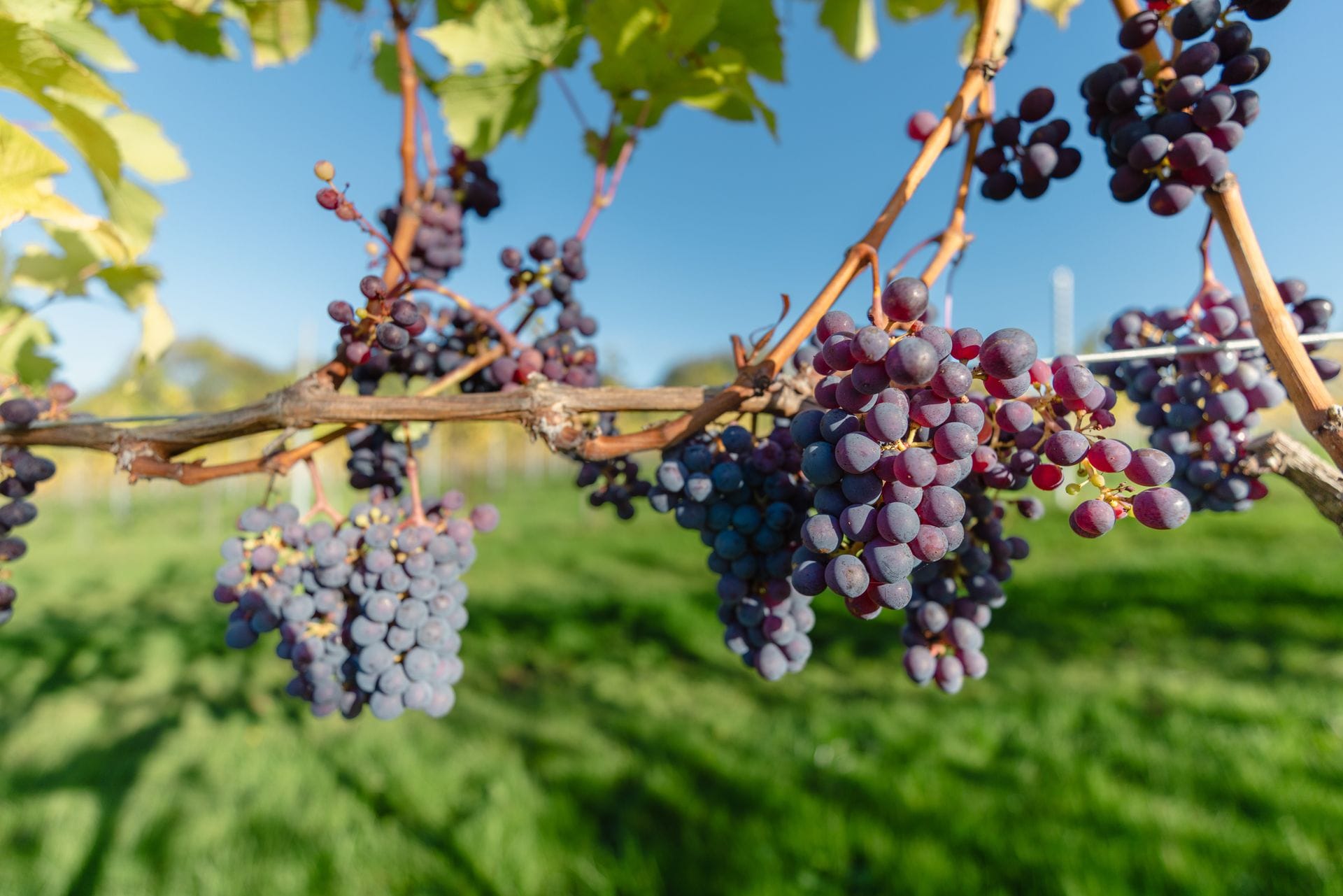
Ripening Pinot Noir Précoce grape clusters at White Castle Vineyard, Llanvetherine — the Decanter Gold-winning variety that put this small Monmouthshire family vineyard on the international wine map. © Crown copyright Cymru Wales 2026
Wales now has more than 30 working vineyards producing award-winning white, rosé, red and sparkling wines, with the industry growing quickly as climate change extends the country’s viable grape-growing season. Welsh wine has won Gold at the Decanter World Wine Awards, been served at the House of Lords, the Ryder Cup and a NATO summit, and now regularly features on top London restaurant wine lists. For visitors, the interesting bit is that most Welsh vineyards are small enough to be personal – owner-led tours, hand-harvested grapes, no more than 30-50 visitors on site at any one time – and clustered enough (particularly in Monmouthshire) to make a proper vineyard-hopping weekend viable. This guide covers every serious Welsh vineyard offering visitor tours in 2026, with verified pricing, opening times, booking guidance and where to base a trip around them.
The strongest concentration is in Monmouthshire in South East Wales, where Visit Monmouthshire’s official Vineyard Trail links five producers within roughly an hour’s driving distance. Other clusters include the Vale of Glamorgan (home to the oldest Welsh vineyard), West Wales (2 award-winning producers – Velfrey in Pembrokeshire, Jabajak in Carmarthenshire), and Anglesey and North Wales (small but growing). For the wider Welsh food and drink scene see our Best Distilleries in Wales guide, Traditional Welsh Food guide, and Michelin Star Restaurants in Wales.
Planning this trip? Ask Branwen, our free AI trip planner →
At a Glance: Welsh Vineyards & Wine Tastings 2026
- Total Welsh vineyards: Over 30, with most concentrated in Monmouthshire and the Vale of Glamorgan
- Oldest: Glyndwr Vineyard, planted 1979 by the Norris family in Cowbridge
- Trail vineyards: Sugar Loaf, White Castle, The Dell and Parva Farm form the Monmouthshire Vineyard Trail
- Tour price range: £2.50 self-guided (Parva Farm) up to £65 premium experience (Red Wharf Bay)
- Peak visitor season: April-October, with July-early October the vine-heavy peak
- Best cluster for a weekend: The Monmouthshire Vineyard Trail (5 producers within 1 hour’s driving)
- Vineyard stays available: Sugar Loaf, Glyndwr, Jabajak all offer on-site accommodation
- Common grape varieties: Reichensteiner, Seyval Blanc, Pinot Noir Précoce, Bacchus, Solaris, Rondo, Regent
Monmouthshire: Wales’s Wine Country
Monmouthshire is where Welsh wine happens. Five of the country’s most-visited vineyards sit within an hour’s driving distance of each other in a small region either side of the A465 between Monmouth and Abergavenny. The county has been producing wine since the Romans arrived, and the modern Monmouthshire wine industry has quietly become the most-decorated in Wales – Decanter Gold, Welsh Wine Awards, Silver medals at the International Wine Challenge. Visit Monmouthshire promotes an official Monmouthshire Vineyard Trail linking five producers, three of which currently offer visitor tours (Sugar Loaf, White Castle, Parva Farm), plus The Dell for cellar sales by owner arrangement.
A note on Ancre Hill Estates: Ancre Hill, Wales’s only Demeter-certified biodynamic vineyard, is no longer open to the public – it closed its cellar door in September 2022 and now supplies wine only to the trade and export markets. It’s included here for context since it’s still referenced widely online as a visitor destination, but it is not bookable and should not be included in a Welsh vineyard visit itinerary.
White Castle Vineyard, Llanvetherine (Abergavenny)
White Castle Vineyard is the strongest Welsh vineyard for a proper owner-led tour experience. Robb or Nicola Merchant personally lead every tour, sharing the story of how they planted the vineyard from scratch and now win Decanter awards. The 5-7 acre vineyard grows Rondo, Regent, Reichensteiner, Siegerrebe, Phoenix, Pinot Noir and Pinot Noir Précoce vines. The Pinot Noir Précoce is the multi-award-winning flagship. The Cellar Door opens Friday-Sunday and Bank Holidays 10am-5pm for wine tastings, sales and cheese platters. Weekend guided tours run at 3pm followed by a wine tasting. Deluxe Tours (last Friday of the month April-September) include extended access with the owners. Groups from 5-50 people welcome; the venue is fully wheelchair accessible.
- Owner-led tour experience (Robb or Nicola personally lead every tour)
- Groups of 5-50 people (accessible venue)
- Coach parties (dedicated group visits programme)
- Bank Holiday visitors (open all Bank Holidays)
- Summer Supper Clubs (2026 season)
- Wheelchair users (low-incline ramp, accessible toilets)
Sugar Loaf Vineyards, Abergavenny
Sugar Loaf Vineyards sits at the foot of the Sugar Loaf mountain in Bannau Brycheiniog National Park, giving it the most spectacular setting of any Welsh vineyard. Seven grape varieties (Reichensteiner, Madeleine Angevine, Seyval Blanc, Regent and others) produce whites, rosé, red and sparkling wines. The estate has a licensed coffee shop serving Welsh cheese platters and cream teas, plus vines for sale in the shop. Self-guided tours available anytime during opening hours (£5+ tastings). Guided tours with wine tasting run for groups of 8-25 people, usually as evening tours, lasting 90 minutes. Two self-catering holiday cottages let guests stay overnight in the vineyard with a complimentary bottle of Sugar Loaf wine on arrival.
- Combining wine with Brecon Beacons walking (Sugar Loaf mountain on doorstep)
- Vineyard stays (holiday cottages with complimentary wine)
- Cream teas, cheese platters, licensed coffee shop
- Small groups 8-25 people (max party size 8 in the coffee shop)
- Evening guided tours through summer
Note: Sugar Loaf Vineyards has a strict no hen party / no stag party policy in the coffee shop. Their group tours suit organised wine-focused groups only.
Parva Farm Vineyard, Tintern (Wye Valley)
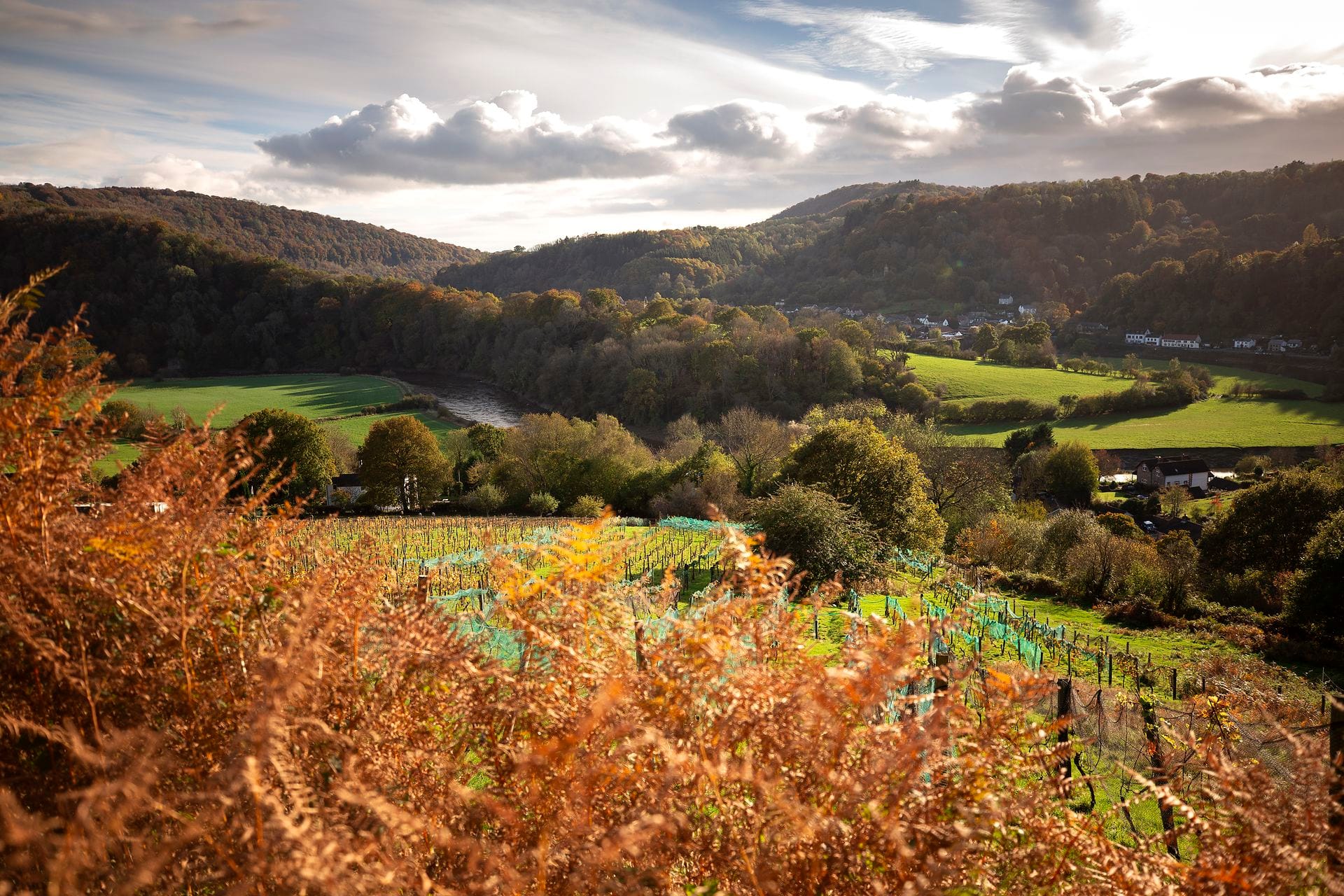
Parva Farm is the friendliest and best-value Welsh vineyard for a casual drop-in visit. The Dudley family have been growing vines on the south-facing Wye Valley slopes above Tintern since the 1990s. The self-guided tour (£2.50 per person, picnics welcome in the vineyard) takes you up through the vines to the top of the farm for a spectacular view over the Wye Valley and Tintern Abbey. Guided evening tours with tutored tasting run every Thursday in July and August at 5:30pm (£9 per person, 2 hours, no booking needed). The award-winning Bacchus won Gold at the 2015 Welsh National Wine Awards and Commended at the International Wine Challenge. The vineyard shop sells own-produced wines, mead, cider (from Parva apples), Kingstone ales, honey and preserves. Free wine tastings in the shop.
- Cheapest tour in Wales (£2.50 self-guided)
- Casual drop-in visits with picnics welcome in the vineyard
- Wye Valley scenery combining with Tintern Abbey visit
- Hen party groups (specifically welcomed by owners)
- Wedding venues (field available for hire)
- Dog-friendly (per Great British Vineyards Guide)
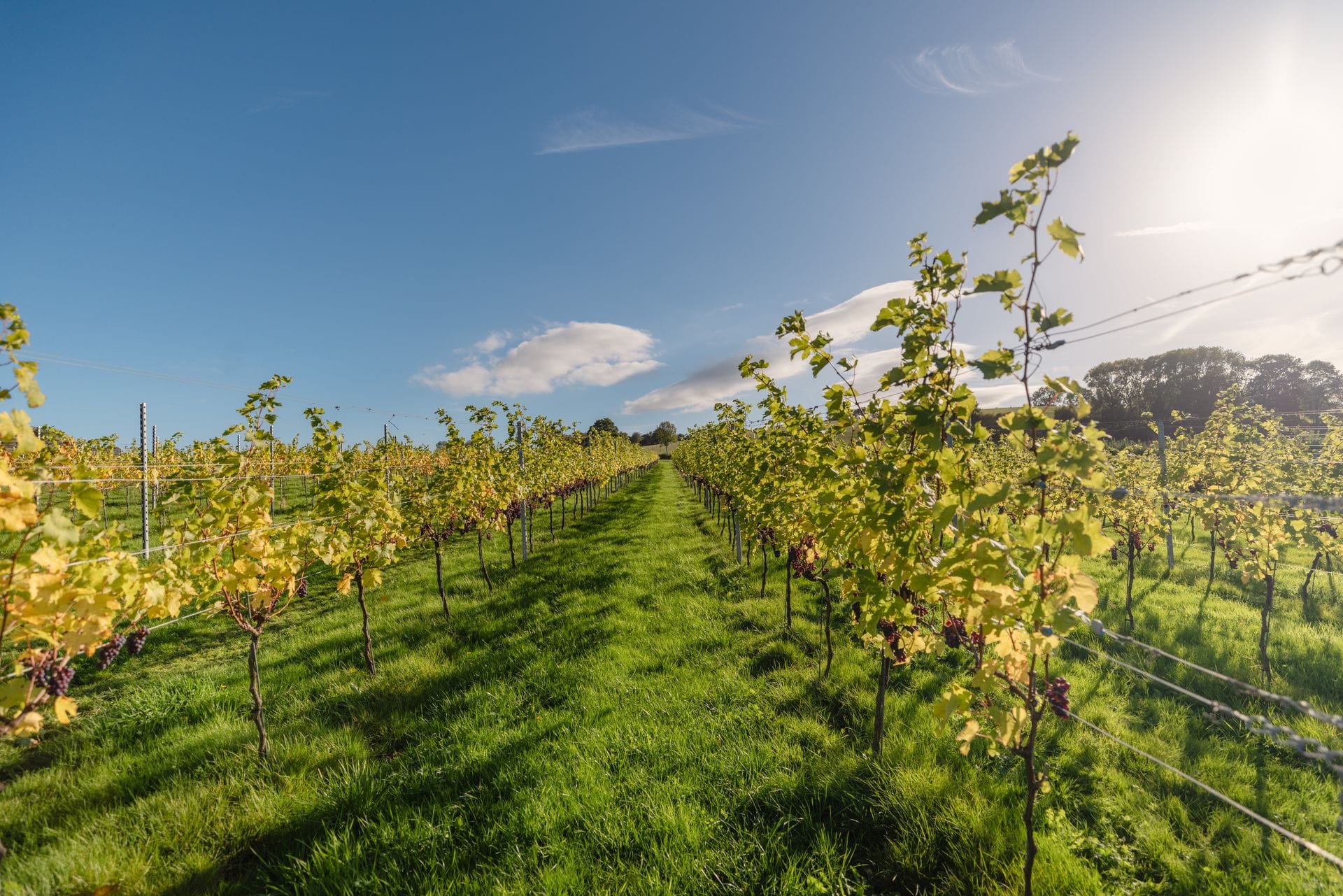
The main vineyard rows at White Castle Vineyard in Llanvetherine, Abergavenny — 5-7 acres of vines producing Rondo, Regent, Reichensteiner, Siegerrebe, Phoenix, Pinot Noir and Pinot Noir Précoce for the Merchants’ award-winning Welsh wines. © Crown copyright Cymru Wales 2026
The Monmouthshire Vineyard Trail: A Weekend Itinerary
Visit Monmouthshire promotes an official Monmouthshire Vineyard Trail linking five county vineyards in a driving route. Total driving time is approximately one hour if all sites are visited in sequence, but the trail works far better spread across 2-3 days with proper tour bookings, lunches and overnight stays. Here’s the recommended route.
Day 1: Sugar Loaf and White Castle
Start at Sugar Loaf Vineyards on the slopes of the Brecon Beacons – morning tour and coffee shop lunch. Then travel through Abergavenny onto the B4521 Old Ross Road toward Skenfrith. After approximately 20 minutes you’ll reach White Castle Vineyard just outside Llanvetherine – book the 3pm owner-led tour with Robb or Nicola Merchant. Overnight at a Sugar Loaf holiday cottage (complimentary wine included) or in Abergavenny (The Angel Hotel is the town’s flagship).
Day 2: The Dell and Parva Farm
Continue on the B4521 to Norton, then turn right down the B4347 toward Monmouth. Visit The Dell Vineyard (tours by owner arrangement) for a cellar-door tasting of four award-winning wines. Then drive south down the Wye Valley to Tintern for Parva Farm Vineyard – self-guided tour with picnic in the vineyard, then wine tasting in the shop. Overnight in Tintern (Wye Valley Hotel is at the bottom of the Parva Farm drive).
Day 3: Optional add-ons
Extend the trip with visits to Chepstow Castle, Tintern Abbey (immediately below Parva Farm), a Wye Valley walk, or continue south to Monmouth market town for a return leg. A designated driver is essential – all wine tasting stops are alcohol-serving.
Designated driver tip: Non-drinking members of your group typically get a discount on tour fees at most Welsh vineyards. Ask when booking. Alternatively, several local taxi and mini-coach operators run dedicated Monmouthshire Vineyard Trail day tours from Abergavenny or Monmouth base points – contact Visit Monmouthshire (visitmonmouthshire.com) for current operators.
Best Distilleries in Wales – the wider Welsh drinks scene
Welsh vineyards sit alongside a strong Welsh distillery scene – Penderyn, In the Welsh Wind, Aber Falls, Hensol Castle and more. For the full guide to Welsh gin, whisky and rum distilleries offering visitor tours, see our Best Distilleries in Wales guide.
Welsh Food Tours – 8 verified operators across Cardiff, Anglesey, Pembrokeshire and beyond
Pair a vineyard visit with a guided food experience elsewhere in Wales – Loving Welsh Food’s Cardiff tastings, the Halen Môn Saltcote tour on Anglesey, or Really Wild Emporium’s Pembrokeshire foraging walks. For all 8 verified operators with 2026 pricing, see our complete guide to Welsh Food Tours.
Cookery Schools in Wales – pair a vineyard day with a cooking class
The Culinary Cottage, near Abergavenny, sits close to several Monmouthshire vineyards and makes an easy same-day pairing – a morning cookery class followed by an afternoon vineyard visit. See our complete guide to Cookery Schools in Wales for 7 verified schools with 2026 pricing.
Vale of Glamorgan: Wales’s Oldest Vineyard
Glyndwr Vineyard, Cowbridge
Glyndwr Vineyard is Wales’s oldest and largest family vineyard, planted by Richard and Sue Norris in 1979 and now representing over 40 years of Welsh viticultural expertise. The estate’s wines have graced the tables at the House of Lords, the Ryder Cup and a NATO summit – Welsh wines with a genuine track record on the world’s most prestigious stages. Grape varieties include Reichensteiner, Seyval Blanc, Regent, Rondo, Triomphe and Pinot Noir producing whites, rosé, red and sparkling wines. Tours combine a walk through the vineyard (star attractions: the resident llamas), a talk with the founders, a two-course lunch, and wine tastings – hosted on specific dates through the year. Three self-catering accommodation units (rated 8.9 on Booking.com) overlook ponds, lawns and vineyard, 3 minutes’ drive from Cowbridge market town and 20 minutes from Cardiff.
- Wine heritage enthusiasts (oldest Welsh vineyard, 46+ years of family wine-making)
- Combining wine with Cowbridge market town day out
- Vineyard stays (3 self-catering units, dog-friendly options)
- Small weddings and celebrations (function room available)
- Cardiff visitors wanting an easy vineyard day trip (20 min drive)
- Families with children (llamas, chickens, ducks on site)
West Wales Vineyards: Pembrokeshire & Carmarthenshire
West Wales has emerged as the second most significant Welsh wine region after Monmouthshire, with two award-winning producers offering visitor tours – Velfrey in Pembrokeshire and Jabajak just across the border in Carmarthenshire. Both sit within easy driving distance of Pembrokeshire Coast National Park, making them natural additions to a coast-focused West Wales trip.
Velfrey Vineyard, Pembrokeshire
Velfrey Vineyard represents the new generation of Welsh wine – planted in 2016 on a south-facing slope with the same clay-loam soil found in the world’s most prestigious wine regions. The 3 acres of vines produce Pinot Noir, Seyval Blanc and Solaris varieties, hand-harvested for traditional method quality sparkling wines. Winner of Best Sparkling Rosé at the Welsh Wine Awards 2025. The owner is Chair of the Welsh Vineyards Association, making Velfrey a strong choice for visitors wanting to understand the wider Welsh wine industry. Tours run on Thursdays and Saturdays throughout the season, including tastings of two wines. Extended tour + food option adds a Welsh grazing board with Monmouthshire charcuterie, locally-baked focaccia and artisanal cheeses.
- Traditional-method sparkling wine (award-winning 2025)
- Understanding the wider Welsh wine industry (chair-of-association access)
- Pembrokeshire coast combined trips (Tenby, Saundersfoot, Pembroke)
- Thursday and Saturday visitors (main tour days)
- Wine + food experiences (Welsh grazing board add-on)
Jabajak Vineyard, Pembrokeshire
Jabajak is Wales’s most integrated vineyard experience – a 5-star Restaurant with Rooms combined with a working vineyard on 7 acres of grounds along the A40 corridor in western Carmarthenshire, just across the border from Pembrokeshire near Whitland. The on-site restaurant (four dining spaces including The Bistro, The Nook for 2, The Granary for up to 30, and the Welsh Banqueting Room) serves the whites and sparkling rosés produced from the estate’s own grapes – one of only two Welsh vineyards where you can eat a proper restaurant meal paired directly with wine made from grapes growing outside the window. Winner of Best Sparkling Rosé at the Welsh Wine Awards 2025. The restaurant-with-rooms format makes Jabajak the strongest choice for a wine-focused overnight stay in West Wales, with easy access to Pembrokeshire Coast attractions, Carmarthen and Ceredigion.
- Vineyard dining (own-grape wines paired with restaurant menu)
- Overnight vineyard stays (restaurant-with-rooms format)
- Wine + food occasion dining
- West Wales base for combined Pembrokeshire coast and Carmarthenshire trips
North Wales Vineyards: Anglesey, Conwy and Denbighshire
North Wales viticulture is smaller than the South but growing. Three producers currently offer regular visitor tours, each with a distinctive angle – Anglesey’s Spanish-influenced micro-vineyard, Conwy’s Snowdonia-view family estate, and Denbigh’s newest planting in the Vale of Clwyd.
Red Wharf Bay Vineyard, Anglesey
Red Wharf Bay Vineyard is the most unusual Welsh wine experience – a micro-vineyard on Anglesey’s Traeth Coch coast producing wines from a blend of UK-grown Solaris and Rondo grapes and grapes imported from the vineyard’s sister-site connections in Córdoba, Spain. Kevin Mawdesley personally leads every 2-hour tour, sharing the story of taking early retirement to grow grapes on both Welsh and Andalucian soil. Tours include three wine tastings (including a wine with the longest name in the world) and ‘Anglesey Tapas’ – a Welsh-Spanish fusion snack platter enjoyed in the garden overlooking Red Wharf Bay. Group size limited to 4-19 people. Combine with nearby Beaumaris Castle for a full Anglesey day out.
- Anglesey visitors wanting a distinctive food-and-drink experience
- Small groups (4-19 people) wanting personal owner-led experience
- Combining with Beaumaris Castle day out
- Hen parties (past groups reviewed positively)
- Cruise ship day trips from Holyhead (max 19)
Gwinllan Conwy Vineyard, Conwy
Gwinllan Conwy is North Wales’s most established visitor vineyard – a family estate on gentle slopes with panoramic views of Eryri (Snowdonia) National Park to the south and the North Wales coast to the north. Grape varieties suited to the North Wales climate produce a range of award-winning wines. Guided tours for up to 20 visitors run on set days lasting up to 2 hours, with wine tastings included. Parking suits small coaches or minibuses. The setting alone justifies a visit, particularly on clear days when the Eryri backdrop is in full view. Combines exceptionally well with Conwy Castle and Llandudno day trips.
- Snowdonia views (best-positioned Welsh vineyard for mountain photography)
- Conwy Castle combined day out (10 min drive)
- Llandudno visitors (10 min drive)
- Group tours up to 20 people
- Coach and minibus groups
Vale Vineyard, Denbigh
Vale Vineyard is one of Wales’s newest planted vineyards – established in the Vale of Clwyd in 2019 with over 7,500 vines including Seyval Blanc, Solaris, Rondo and Divico varieties. Small-scale, family-run and building its reputation year-by-year. Tours and wine tastings available by direct booking; gift experiences available online for later scheduling. A strong visit choice for visitors who want to see Welsh viticulture at its early-stage development phase rather than the more-established producers further south.
- Newest Welsh vineyards / early-stage viticulture interest
- Vale of Clwyd combined trips
- North Wales visitors outside the Anglesey/Conwy corridor
- Gift experience vouchers (bookable later)
Parva Farm Vineyard sits on the south-facing slopes above Tintern in the Wye Valley — the netted vines here produce the Gold-medal Bacchus alongside the vineyard’s signature Welsh mead and cider. © Crown copyright Cymru Wales 2026
Understanding Welsh Wine: Grape Varieties, Styles and Awards
Welsh grape varieties
The Welsh climate is cooler than most European wine-growing regions, meaning Welsh vineyards focus on cool-climate and hybrid grape varieties that ripen reliably in shorter, cooler summers. The most commonly planted varieties are:
- Reichensteiner – a German hybrid producing dry white wines with citrus and floral notes; grown at Sugar Loaf, Glyndwr, White Castle
- Seyval Blanc – French-American hybrid producing crisp, elegant whites; widespread across Wales
- Pinot Noir Précoce – early-ripening Pinot Noir variant; the star grape at White Castle for their award-winning red
- Bacchus – Germanic white variety producing distinctive elderflower and citrus wines; Gold-medal winner at Parva Farm
- Solaris – early-ripening white variety popular in newer Welsh vineyards including Red Wharf Bay and Vale
- Rondo – German hybrid producing deep-coloured reds; grown at Red Wharf Bay, Parva Farm, Vale
- Regent – red hybrid producing spicy, medium-bodied reds; grown at Sugar Loaf, White Castle, Glyndwr
Welsh wine styles
- Traditional-method sparkling wine – the fastest-growing Welsh wine category. Velfrey and Jabajak’s sparkling rosés (both Welsh Wine Awards 2025 winners) are the standout visitable examples
- Aromatic dry whites – Bacchus, Seyval Blanc and Reichensteiner produce Welsh whites reminiscent of a cool English or German style rather than New World fruity
- Cool-climate reds – Pinot Noir Précoce and Rondo produce lighter-bodied reds; not equivalent to Bordeaux but with genuine character
- Rosés – the most consistently successful Welsh wine category; rosés from Bacchus, Rondo and Pinot Noir Précoce grape blends win awards year after year
- Mead and fruit wines – Parva Farm and several Welsh vineyards produce traditional Welsh mead alongside grape wines
Welsh Wine Week and awards
Welsh Wine Week runs in late May/early June each year – a celebration organised by the Welsh Vineyards Association with free or discounted tours across multiple vineyards. Timing your visit around Welsh Wine Week is the single best way to see multiple vineyards in one trip. Welsh wines regularly feature in international awards: Decanter World Wine Awards (White Castle Pinot Noir Reserve), International Wine Challenge (Parva Farm Bacchus), Welsh Wine Awards (Velfrey and Jabajak sparkling rosés 2025), and English and Welsh Wine of the Year Competition.
Pricing, Booking & Practical Advice
Welsh vineyard pricing structure
| Tour type | Price range | What’s included |
|---|---|---|
| Self-guided tour | £2.50-£5 per person | Vineyard walking access, self-directed learning |
| Tasting only (in shop) | Free-£5 per wine | Wine samples, retail shop access |
| Guided tour + tasting | £9-£20 per person | Owner-led vineyard walk, 3-4 wine tastings |
| Tour + food | £20-£40 per person | Guided tour, tastings, cheese platter or lunch |
| Premium experience | £40-£65 per person | Extended owner-led tour, multiple wine tastings, cooked meal or tapas |
| Vineyard accommodation | £80-£200+ per night | On-site self-catering, often complimentary wine on arrival |
| Group tours (8-30 people) | 10-25% discount | Book direct with vineyard for group rates |
When to book
- Weekend guided tours at White Castle and Glyndwr – book 2-3 weeks ahead through summer
- Group tours (8+ people) at any vineyard – book 4-6 weeks ahead, more for weekends
- Vineyard accommodation – book 2-3 months ahead for summer weekends at Sugar Loaf, Glyndwr, Jabajak
- Welsh Wine Week (late May/early June) – book as soon as event dates are announced (typically February-March)
- Harvest season tours (Sept-Oct) – book 3-4 weeks ahead; some vineyards run modified schedules during picking
- Self-guided drop-ins at Parva Farm, Sugar Loaf coffee shop – no booking needed for shop-only visits
Direct booking vs aggregators
Book direct with each vineyard’s own website – most Welsh vineyards are small family businesses where direct booking is cheaper (aggregators take 15-25% commission) and more flexible for group requirements, dietary needs and timing changes. The vineyard’s own website is also where the most current tour schedules, harvest updates and seasonal event information are published.
Practical vineyard visit advice
- Wear sensible footwear – most Welsh vineyards are on sloping ground and grass can be slippery, especially after rain
- Bring layers – Welsh weather changes quickly; vineyards are exposed hillside sites
- Designate a driver – all tour venues serve alcohol; drivers usually get discounted or free non-alcoholic alternatives
- Ask about accessibility in advance if needed – vineyards vary from fully wheelchair-accessible (White Castle) to steep and unsuitable for mobility limitations (Parva Farm)
- Buy at the cellar door – Welsh vineyard wines are hard to find in supermarkets outside Wales; purchasing at the cellar door supports the producer directly and often gives access to wines not sold retail
- Combine with local restaurants – Michelin-starred Welsh restaurants including Ynyshir, The Whitebrook and The Walnut Tree all feature Welsh wines on their lists
Drink-driving reminder: Wales’s drink-driving limit is 80 milligrams of alcohol per 100 millilitres of blood – the same as England but stricter than Scotland. A tour tasting typically involves 4-6 wines of 25ml each, potentially putting you over the limit. Always arrange a designated driver, taxi or overnight accommodation. Vineyard tour + hotel stay is the safest and most enjoyable format.
Where to Stay for Welsh Vineyard Weekends
Vineyard-based accommodation
- Sugar Loaf Vineyards – self-catering holiday cottages within Bannau Brycheiniog National Park with complimentary vineyard wine
- Glyndwr Vineyard – 3 self-catering units overlooking vineyard and ponds; 3 minutes from Cowbridge
- Jabajak Vineyard – restaurant-with-rooms property combining vineyard, dining and overnight in one location
Vineyard-adjacent hotel bases
- Monmouthshire Vineyard Trail: The Angel Hotel (Abergavenny) or The Bell at Skenfrith for hotel bases; Wye Valley Hotel (Tintern) for Parva Farm-adjacent stays
- Vale of Glamorgan (Glyndwr): The Bear Hotel in Cowbridge market town
- West Wales (Velfrey Pembrokeshire / Jabajak Carmarthenshire): St Brides Spa Hotel (Saundersfoot), Grove of Narberth, or overnight at Jabajak itself
- Anglesey (Red Wharf Bay): The Ship Inn (Red Wharf Bay itself), Chateau Rhianfa (Menai Bridge)
- Conwy (Gwinllan Conwy): Bodysgallen Hall & Spa (Llandudno)
Larger group cottage stays
For groups of 6-12 wanting a self-catering base to explore multiple vineyards, see our Large Group Cottages in Wales guide and Best 5-Star Rated Cottages in Wales guide.
Regional Summary Table
| Region | Top vineyard | Standout feature |
|---|---|---|
| Abergavenny (Decanter Gold) | White Castle Vineyard | Owner-led £15 tours; Decanter Gold 2021 for Pinot Noir Reserve |
| Bannau Brycheiniog | Sugar Loaf Vineyards | Vineyard in national park with holiday cottage stays |
| Wye Valley | Parva Farm Vineyard | £2.50 self-guided tour; combines with Tintern Abbey |
| Vale of Glamorgan | Glyndwr Vineyard | Wales’s oldest family vineyard (1979); accommodation and llamas |
| Pembrokeshire (sparkling) | Velfrey Vineyard | Welsh Wine Awards 2025 Best Sparkling Rosé; Thursday-Saturday tours |
| Carmarthenshire (vineyard dining) | Jabajak Vineyard | Only Welsh vineyard with in-house restaurant serving own-grape wines; 5-star Restaurant with Rooms |
| Anglesey | Red Wharf Bay Vineyard | UK-Spain blend micro-vineyard; £65 premium tour with Anglesey Tapas |
| Conwy (Snowdonia views) | Gwinllan Conwy Vineyard | Family vineyard with Eryri backdrop |
| Denbighshire | Vale Vineyard | Newest Welsh vineyard (2019); early-stage viticulture |
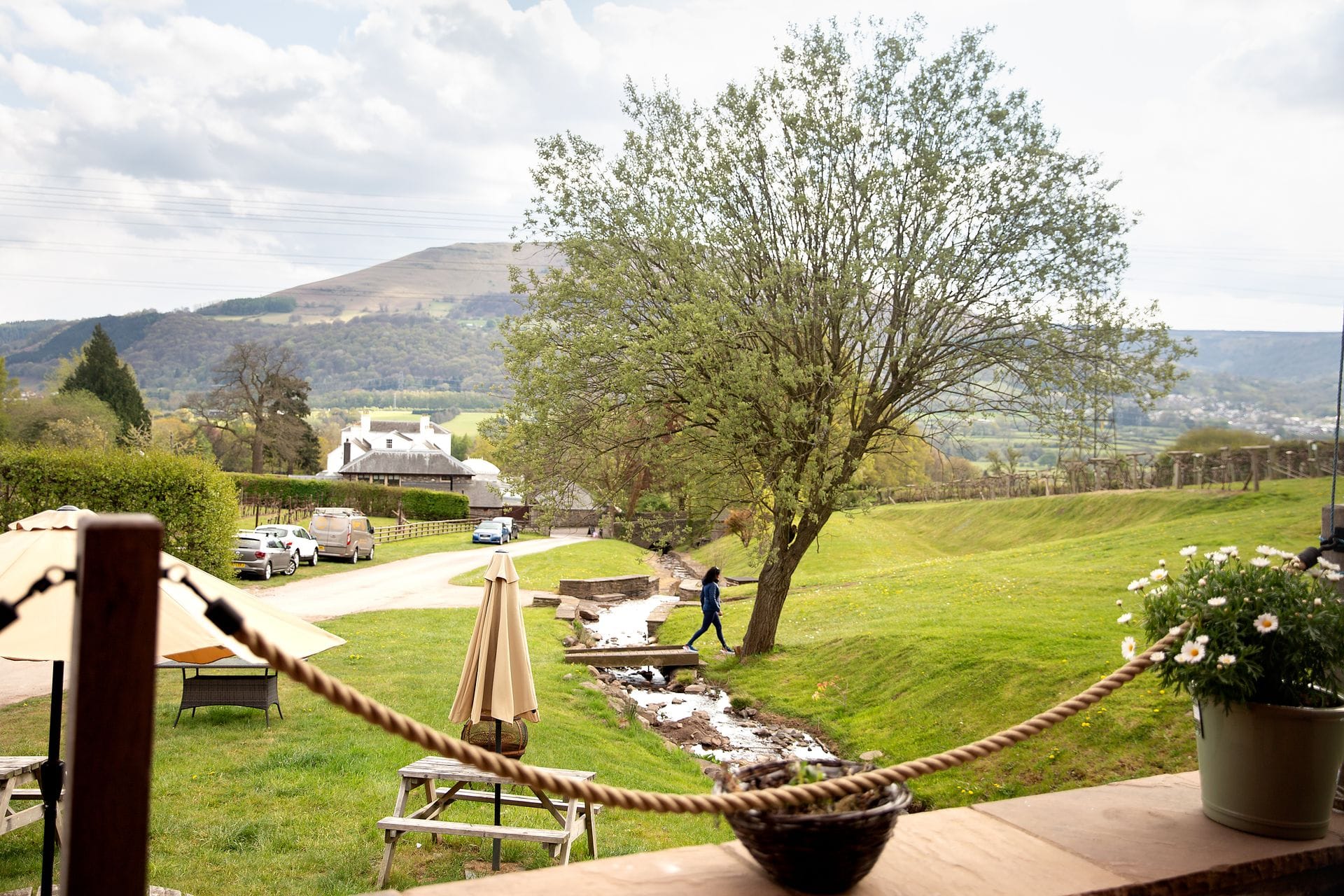
The Sugar Loaf mountain viewed from Sugar Loaf Vineyards near Abergavenny — the only Welsh vineyard set within Bannau Brycheiniog (Brecon Beacons) National Park, with holiday cottages, a coffee shop and 5 acres of vines at the foot of the mountain it takes its name from. © Crown copyright Cymru Wales 2026
Frequently Asked Questions: Welsh Vineyards & Wine Tastings
How many vineyards are there in Wales?
There are over 30 vineyards across Wales in 2026, producing award-winning red, white, rosé and sparkling wines. The Welsh wine industry has grown significantly over the past decade as climate change has extended the country’s viable grape-growing season. The strongest concentration is in Monmouthshire in South East Wales, where the Monmouthshire Vineyard Trail links five producers within an hour’s driving distance of each other. Other clusters include the Vale of Glamorgan (led by Glyndwr Vineyard, established 1979), West Wales (Velfrey in Pembrokeshire; Jabajak in Carmarthenshire), Anglesey and North Wales (Red Wharf Bay Vineyard, Gwinllan Conwy, Vale Vineyard Denbigh). Most Welsh vineyards operate as boutique family businesses growing 3-12 acres of vines using hybrid and cool-climate varieties suited to Welsh conditions – Reichensteiner, Seyval Blanc, Pinot Noir Précoce, Bacchus, Solaris, Rondo and Regent are the most-planted grapes.
Which is the oldest vineyard in Wales?
Glyndwr Vineyard in Llanblethian near Cowbridge in the Vale of Glamorgan is the oldest established family vineyard in Wales, planted by the Norris family in 1979. The estate now comprises 6,000-7,000 vines on gently south-east facing slopes and produces white, rosé, red and sparkling wines that have been served at the House of Lords, the Ryder Cup and a NATO summit. Owners Richard and Sue Norris pioneered the modern revival of Welsh viticulture. Glyndwr offers tours, tastings, lunches, self-catering accommodation and event hire including small weddings, and the estate is known for its resident llamas as well as its wines. The winery is 3 minutes drive from the market town of Cowbridge and 20 minutes drive from Cardiff.
What are the best Welsh vineyards to visit?
The best Welsh vineyards to visit for tours and tastings are: White Castle Vineyard near Abergavenny (Decanter Gold 2021, £15 owner-led tours Fri-Sun); Glyndwr Vineyard near Cowbridge (oldest Welsh vineyard, established 1979, with accommodation); Sugar Loaf Vineyards Abergavenny (in Bannau Brycheiniog / Brecon Beacons National Park with holiday cottages); Parva Farm Vineyard Tintern (£2.50 self-guided or £9 guided Wye Valley tour); Velfrey Vineyard Pembrokeshire (Best Sparkling Rosé Welsh Wine Awards 2025); Jabajak Vineyard Carmarthenshire (with restaurant); Red Wharf Bay Vineyard Anglesey (Spanish-influenced micro-vineyard, £65 tour + Anglesey tapas); Gwinllan Conwy Vineyard (Snowdonia backdrop, family-run tours); and Vale Vineyard Denbigh (Vale of Clwyd, planted 2019). All offer visitor tours with advance booking.
Can you stay at a Welsh vineyard?
Yes – three Welsh vineyards offer on-site self-catering accommodation. Glyndwr Vineyard in the Vale of Glamorgan has three separately bookable units overlooking ponds and vines, 3 minutes drive from Cowbridge market town, rated 8.9 on Booking.com. Sugar Loaf Vineyards in Abergavenny has holiday cottages within Bannau Brycheiniog (Brecon Beacons) National Park, with complimentary wine from the vineyard for guests. Jabajak Vineyard in Carmarthenshire is a 5-star restaurant-with-rooms property combining vineyard visits with dining and overnight stays. Booking direct via each vineyard’s website is typically the best route. Vineyard-adjacent country hotels including The Angel Hotel in Abergavenny and The Bear Hotel Cowbridge also work as bases for touring multiple vineyards in one trip.
How much does a Welsh vineyard tour cost?
Welsh vineyard tour pricing ranges from £2.50 to £65 per person depending on the format and inclusions. Cheapest: Parva Farm Vineyard in Tintern offers a £2.50 self-guided tour with free wine tasting in the shop. Mid-range: White Castle Vineyard runs owner-led tours at £15 per person (Fridays, Saturdays, Sundays and Bank Holidays 3-4:30pm); Parva Farm’s £9 guided tour on summer Thursday evenings runs 2 hours; Sugar Loaf offers tastings from £5 per wine. Premium: Red Wharf Bay Vineyard’s 2-hour experience with wine tasting and ‘Anglesey tapas’ is £65 per person. Group tours (typically 8-25 people) are widely available at 10-25% discount. Vineyard stays combining tours with accommodation are the best value for longer visits – Sugar Loaf and Glyndwr include complimentary wine for guests staying overnight.
When is the best time to visit a Welsh vineyard?
The best time to visit a Welsh vineyard is April through October, with July to early October the peak season when the vines are laden with ripening grapes. Harvest at most Welsh vineyards runs from mid-September through mid-October and is the most photogenic time to visit, though tours may run to modified schedules during picking. Winter (November-February) is a quieter time – some vineyards including Parva Farm close for January and February entirely, while others including Sugar Loaf run reduced weekend-only hours. Wales’s own Welsh Wine Week runs in late May/early June each year and is a good time to catch free or discounted tours across multiple vineyards. Always pre-book weekend tours in July, August and September as small vineyards fill up quickly.
What is the Monmouthshire Vineyard Trail?
The Monmouthshire Vineyard Trail is Visit Monmouthshire’s official recommended route linking five Monmouthshire vineyards in a driving day. Total driving time is approximately one hour if all sites are visited in sequence. The recommended order starts at Sugar Loaf Vineyard on the slopes of the Brecon Beacons, travels through Abergavenny onto the B4521 Old Ross Road toward Skenfrith, reaches White Castle Vineyard after approximately 20 minutes, then continues to The Dell Vineyard near Monmouth and Parva Farm Vineyard in Tintern. The trail is designed to be spread across 2-3 days for a proper wine-focused Monmouthshire trip, with overnight stays at vineyard accommodation (Sugar Loaf) or vineyard-adjacent hotels in Abergavenny, Monmouth and Tintern. A designated driver is essential.
Related Wales.org Guides

Pembrokeshire-born travel writer and founder of Wales.org. Born in Haverfordwest, now based in Hertfordshire — covering Welsh castles, national parks, festivals and family staycations across all 22 Welsh counties.