

Slate Landscape of Northwest Wales: The Complete UNESCO Visitor Guide
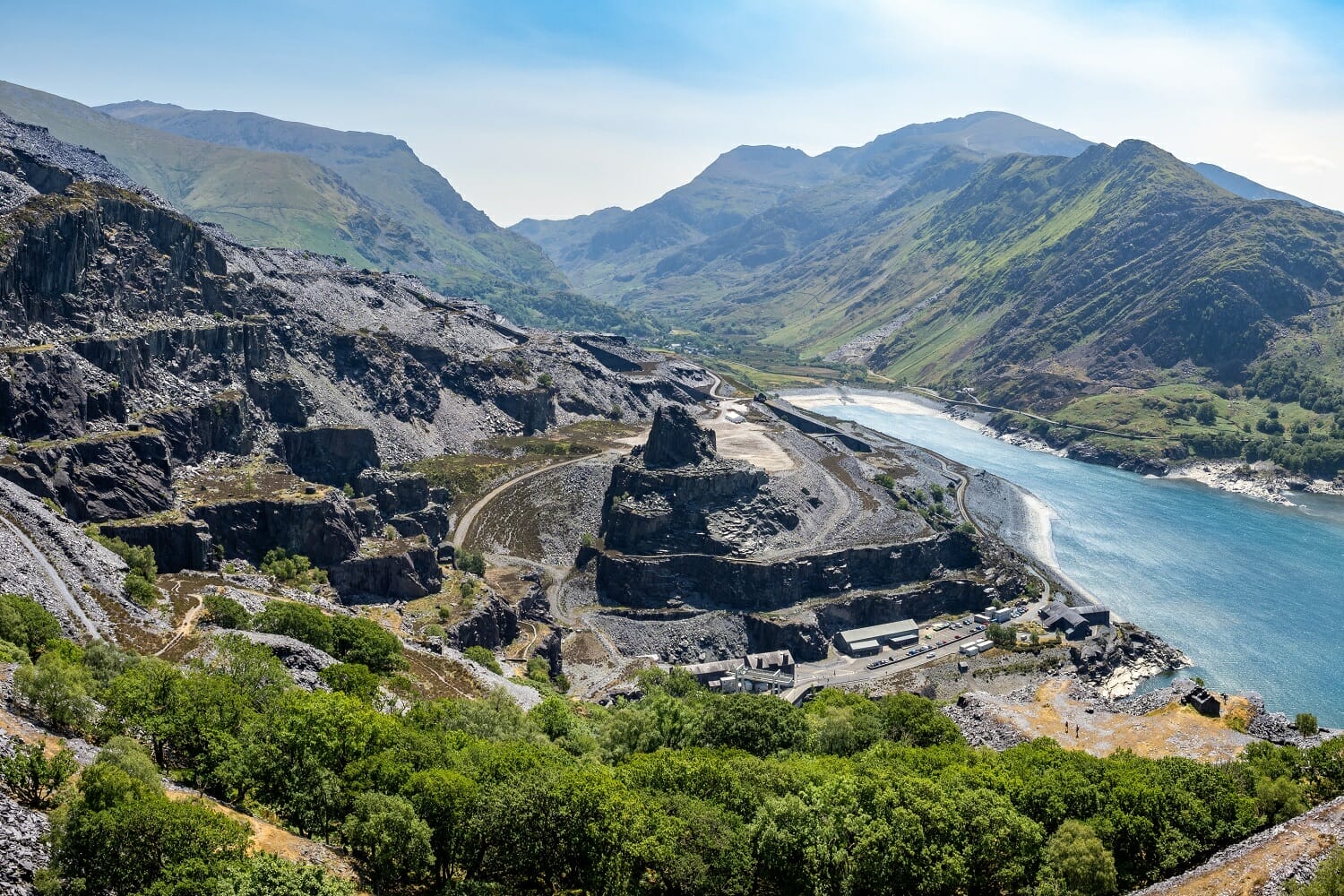
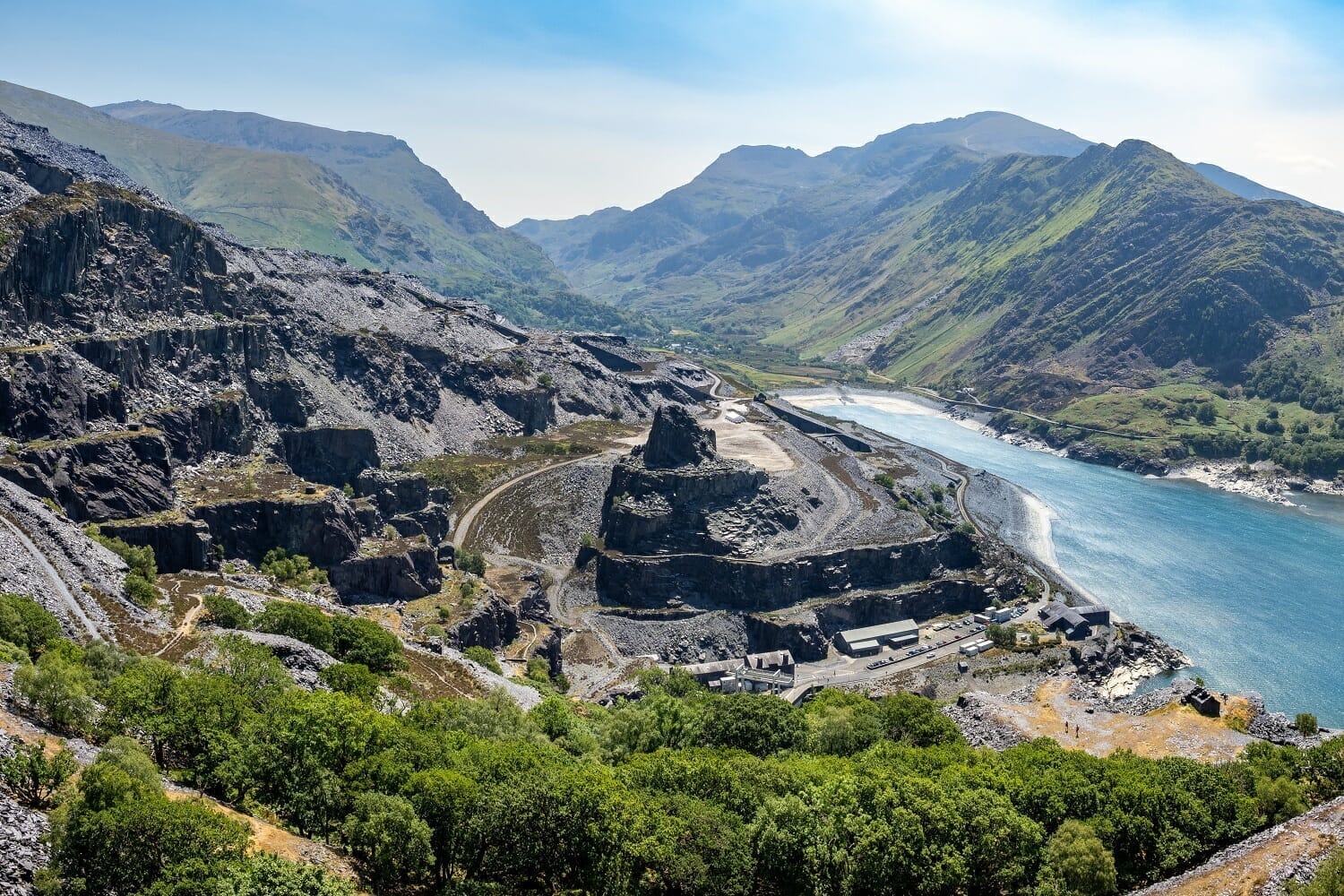
Dinorwig Slate Quarry, one of six component areas of the UNESCO Slate Landscape of Northwest Wales.
The Slate Landscape of Northwest Wales — Tirwedd Llechi Gogledd-Orllewin Cymru in Welsh — became Wales’s fourth UNESCO World Heritage Site on 28 July 2021. It spans six component areas across Gwynedd, totalling 3,259 hectares of quarries, mines, mills, transport networks and quarrying communities. UNESCO put it in the same category as the Taj Mahal, Stonehenge and the Great Wall of China — a designation that surprised many but was, the committee said, fully deserved.
This guide covers everything you need to plan a visit: what each of the six areas contains, how to get there, what’s free and what isn’t, the major attractions worth booking ahead, and how the landscape connects to the wider Welsh-language culture of north-west Wales.
Planning this trip? Ask Branwen, our free AI trip planner →
At a Glance: The Slate Landscape
- What it is: A UNESCO World Heritage Site recognising the global importance of north-west Wales’s slate industry between 1780 and 1940
- Where it is: Gwynedd, in and around Eryri (Snowdonia) National Park
- How to access: Free to explore on foot. Specific attractions (museums, caverns, zip lines, railways) charge separately
- Best for visitors: Industrial heritage enthusiasts, hikers, families, photographers, Welsh-culture travellers
- Main visitor hubs: Llanberis, Blaenau Ffestiniog, Bethesda, Porthmadog
- Spotlight experiences: National Slate Museum (free), Llechwedd Slate Caverns, Zip World Penrhyn, Ffestiniog Railway
- When to visit: Year-round — April to October for best walking weather, winter for atmospheric photography
What the UNESCO Designation Recognises
The Slate Landscape was inscribed because it provides, in UNESCO’s words, “a better insight into every stage of the quarrying industry than anywhere else in the world.” From 1780 to 1940, the slate quarried here roofed an Industrial Revolution that spread from Britain across Europe, Africa, Australia and the Americas. At the industry’s peak, Welsh slate from these mountains roofed almost every new building in the rapidly urbanising Victorian world.
The designation covers more than just the holes in the ground. It includes the processing mills, the inclined railways that lowered slate down to the coast, the harbours built specifically to export it, the grand houses built by quarry owners, the workers’ chapels and terraced cottages, and the communities — many still Welsh-speaking strongholds — that grew up around the industry.
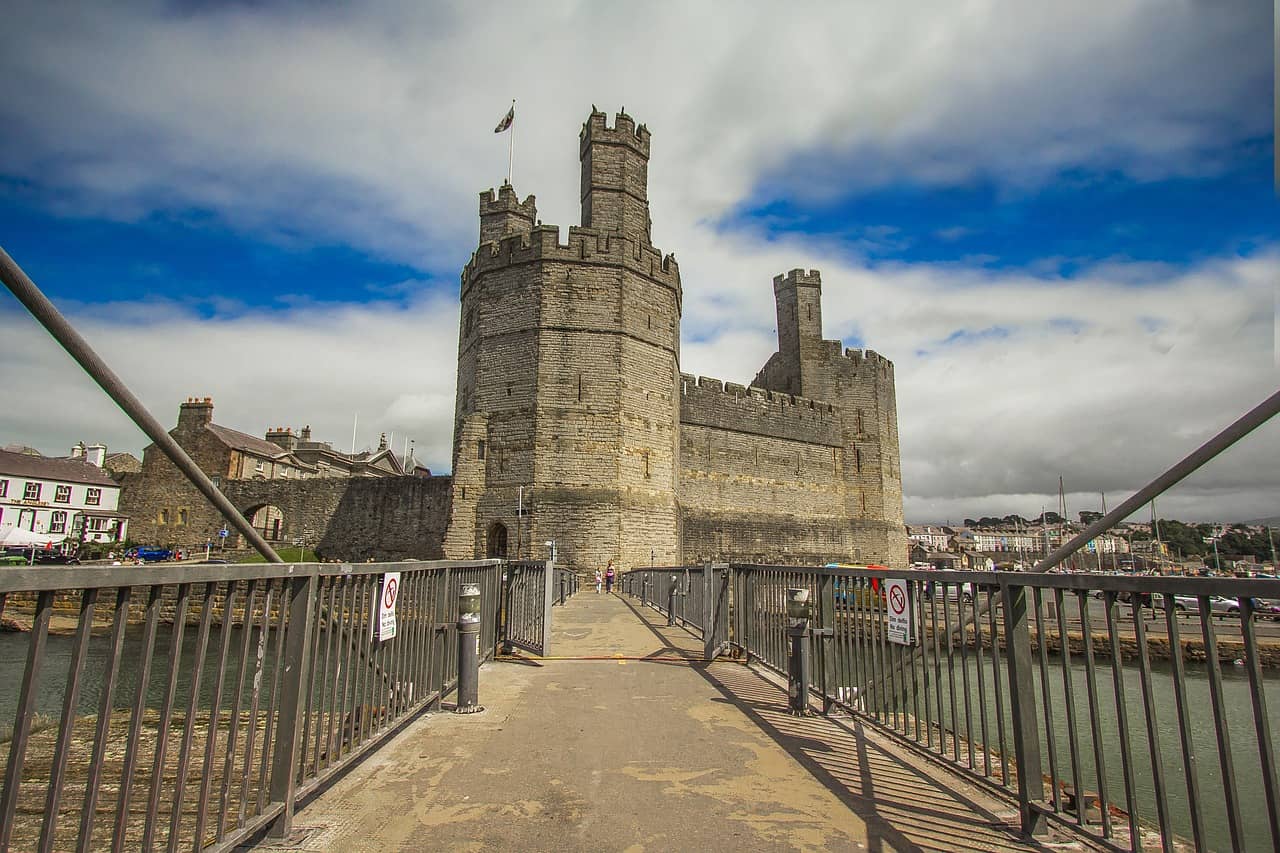
Wales’s four UNESCO sites: The Slate Landscape joins the Castles and Town Walls of Edward I (Caernarfon, Conwy, Beaumaris, Harlech), the Pontcysyllte Aqueduct and Canal near Llangollen, and the Blaenavon Industrial Landscape in the South Wales Valleys. Wales now has more UNESCO World Heritage Sites per square mile than almost any other country.
The Six Component Areas
The Slate Landscape is made up of six distinct areas. Each tells a different chapter of the slate story. You don’t need to visit all six to appreciate the World Heritage Site — most visitors focus on the largest and most accessible areas (Dinorwig and Ffestiniog) — but understanding the structure helps you plan a route.
1. Penrhyn Slate Quarry, Bethesda and the Ogwen Valley to Port Penrhyn (763.85 ha)
The largest single quarry in the World Heritage Site, and at its 19th-century peak the largest slate quarry on Earth. Penrhyn employed around 3,000 quarrymen and produced almost 100,000 tonnes of slate per year. The quarry still operates today on a much smaller scale, but its real visitor draw is the adventure activity park at Zip World Penrhyn, which now occupies the quarry’s flooded upper levels.
Zip World’s Velocity zip line carries visitors over the quarry’s emerald-green flooded pits at speeds of more than 100 mph — it remains the fastest zip line in Europe and the second-fastest in the world. The Quarry Tour, an off-road excursion through the rugged terrain, combines the adrenaline experience with the deeper history of the place. The associated Penrhyn Castle (a National Trust property near Bangor) tells the harder side of the story — built with the wealth that came from quarrymen’s labour at a time of significant industrial disputes.
The Ogwen Valley component runs from the quarry down to Port Penrhyn near Bangor — the purpose-built export harbour where slate was loaded onto ships bound for the world.
2. Dinorwig Slate Quarry Mountain Landscape (1,252.98 ha)
The largest component area by hectares and, for most visitors, the most rewarding to explore. Dinorwig dominates the slopes above Llanberis and the lake of Llyn Peris, its terraced workings cut into the mountainside in a series of vast steps that are visible from miles away.
The area is home to the National Slate Museum in Llanberis — entry is free, run by Amgueddfa Cymru / National Museum Wales, and it occupies the original Victorian workshops of the Dinorwig quarry. The museum tells the human story of slate quarrying: the working conditions, the chapels, the disputes, the language, the way of life. The original water wheel — the largest working water wheel on mainland Britain — still turns inside.
Above the museum, marked paths climb past abandoned barracks and inclines into the heart of the quarry workings, which remain dramatic and slightly eerie. The Snowdon Mountain Railway also starts from Llanberis, so a slate-and-summit day combining both is straightforward to plan.
Walking tip: The Dinorwig Quarry walking route from the National Slate Museum is one of the most rewarding free walks in Wales. Around 3 miles, moderate effort, with phenomenal views down to Llyn Peris and across to Yr Wyddfa. Wear sturdy boots — the paths cross loose slate scree in places.
3. Nantlle Valley Slate Quarry Landscape (320.32 ha)
Often called the most beautiful of the six areas, the Nantlle Valley sits between Caernarfon and Beddgelert. Its slate workings are smaller and more dispersed than Penrhyn or Dinorwig, but the surrounding scenery — the twin lakes of Llyn Nantlle Uchaf and Isaf, with the peaks of Mynydd Mawr and Craig Cwm Silyn rising above — is genuinely spectacular.
This is the area for visitors who want the landscape without the crowds. There are no major paid attractions, just a series of footpaths and quarry remains to explore. The village of Nantlle itself is a Welsh-speaking community where the industrial heritage is still part of daily life rather than a museum exhibit.
4. Gorseddau and Prince of Wales Slate Quarries, Railways and Mill (142.43 ha)
The smallest area apart from Bryneglwys, and the least visited. The Gorseddau workings, near Porthmadog, illustrate a less successful chapter of the slate story — speculative 19th-century investment that never quite delivered the returns its backers hoped for. The remains include the slate mill at Ynyspandy, a roofless industrial cathedral that’s one of the most photogenic ruins in Wales.
This area suits visitors who want to dig deeper than the standard tour. Combine it with a visit to nearby Porthmadog and the Welsh Highland Railway for a satisfying day out.
5. Ffestiniog: its Slate Mines and Quarries, ‘city of slates’ and Railway to Porthmadog (685.94 ha)
The second-largest component and the most visitor-friendly. Centred on the town of Blaenau Ffestiniog — known as dinas y llechi, the “city of slates” — this area combines underground mines, dramatic open quarries, and the historic Ffestiniog Railway that once transported the slate down to the coast at Porthmadog.
Llechwedd Slate Caverns is the main paid attraction here. Underground tours descend into the Victorian workings on Britain’s steepest cable railway, with guided commentary on the techniques, the lives of the workers, and the engineering ingenuity required to mine slate on such a vast scale. The site also operates Zip World caverns experiences, including underground trampolines.
The Ffestiniog Railway itself is a survivor — built in 1836 to carry slate to Porthmadog, it’s now one of the great heritage railway journeys in the world, running daily through some of the most beautiful scenery in Eryri.
Blaenau Ffestiniog the town is unusually atmospheric — the only major settlement *inside* Eryri National Park’s boundary, surrounded on every side by towering slate-tip mountains. It is also a strong Welsh-language community.
6. Bryneglwys Slate Quarry, Abergynolwyn Village and the Talyllyn Railway (93.49 ha)
The southernmost area and the smallest. Bryneglwys is a single quarry, with the associated village of Abergynolwyn and the famous Talyllyn Railway — the world’s first preserved railway, saved by volunteers in 1951 and the inspiration for the Reverend W. Awdry’s Thomas the Tank Engine stories.
This area sits near the southern edge of Eryri, close to mid-Wales and significantly off the main tourist trail. The Talyllyn Railway itself is the main draw, running 7.25 miles up Nant Gwernol from the coast at Tywyn to Abergynolwyn village.

Blaenau Ffestiniog — the “city of slates” — surrounded by towering quarry tips that define its skyline.
Where to Stay for a Slate Landscape Visit
The two best bases for exploring the Slate Landscape are Llanberis (for Dinorwig, Penrhyn and the northern areas) and Blaenau Ffestiniog or nearby Porthmadog (for Ffestiniog and the southern areas). Both have a range of accommodation from basic hostels to country house hotels. For a weekend trip covering the full World Heritage Site, splitting your stay between the two — two nights each — works well.
Find Hotels and Cottages in the Slate Landscape
Browse the interactive map below to see real-time hotel and cottage prices across Llanberis, Blaenau Ffestiniog, Porthmadog and the wider Eryri area — perfect for planning your UNESCO slate-country visit.
Booking note: Accommodation in Blaenau Ffestiniog itself is limited but improving — most visitors stay in Porthmadog, Betws-y-Coed, or smaller villages along the A470. For Dinorwig, Llanberis village has the most choice but books up quickly in summer, particularly when Snowdon walks are in peak demand.
The Best Visitor Experiences in the Slate Landscape
You can spend a week here without exhausting the possibilities. The five experiences below are the ones most worth booking ahead — each one offers something the other UNESCO sites in Wales don’t.
The National Slate Museum, Llanberis
Free, brilliantly curated, and the natural starting point for any visit. Live demonstrations of slate-splitting take place several times daily — the speed and precision of the splitters is genuinely astonishing. Allow at least two hours; many visitors find themselves staying longer.
Llechwedd Slate Caverns, Blaenau Ffestiniog
Underground tours that descend on Britain’s steepest cable railway into the original Victorian workings. Guided commentary covers the geology, the engineering, and the daily lives of the men who worked here. Combine with a Zip World cavern experience if you want adrenaline alongside the heritage.
Zip World Penrhyn, Bethesda
The Velocity zip line is one of Wales’s signature experiences — over a mile of flight at speeds exceeding 100 mph, with the flooded blue lagoon of Penrhyn Quarry passing below. Not for the faint-hearted; book well in advance for summer dates. Zip World also operates the Quarry Tour for those who prefer the heritage angle to the airborne one.
The Ffestiniog Railway, Blaenau Ffestiniog to Porthmadog
A 13.5-mile journey on the world’s oldest surviving narrow-gauge railway, descending from Blaenau Ffestiniog through forest and farmland to the coast at Porthmadog. Built to carry slate, now carrying tourists — the line passes through some of the most dramatic landscapes in Eryri. Combine with the connecting Welsh Highland Railway for a full day of heritage rail travel.
The Talyllyn Railway, Tywyn to Abergynolwyn
The world’s first preserved railway, and the smallest of the World Heritage Site’s heritage lines. A 14-mile round trip through quiet mid-Wales valleys. Quieter than the Ffestiniog Railway and arguably more atmospheric.
The Welsh-Language Communities of the Slate Landscape
Almost as important as the physical industrial heritage is the human and cultural one. The slate quarrying communities of Gwynedd — Bethesda, Llanberis, Nantlle, Blaenau Ffestiniog, Abergynolwyn — remain among the strongest Welsh-language-speaking communities in Wales today. Welsh is the primary language of everyday life in many of these villages. Local pubs, shops, chapels and schools operate predominantly through Welsh.
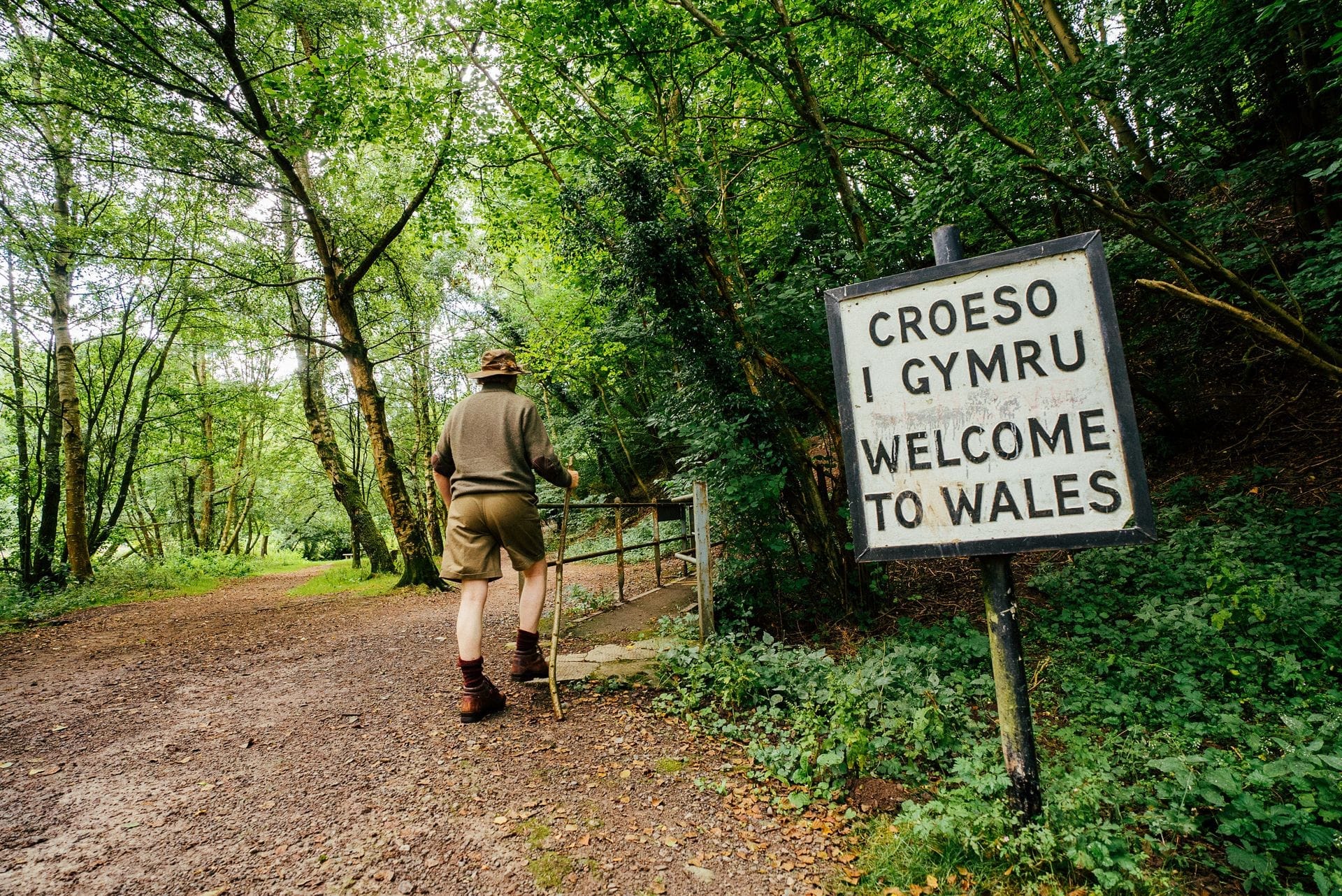
Visitors will hear Welsh spoken naturally around them, see bilingual signage everywhere (this is national policy across Wales but particularly visible in slate country), and may encounter cultural events from noson lawen (community singing nights) to local eisteddfodau. None of this is performed for tourists — it’s simply how these communities continue to live.
A small but meaningful gesture: learn a few Welsh greetings before you arrive. Bore da (good morning), diolch (thank you) and iechyd da (cheers, literally “good health”) will be warmly received in every village pub and tearoom in the slate-quarrying heartland.
How to Get There and Get Around
The Slate Landscape is genuinely difficult to explore without a car. Public transport reaches the major towns — Llanberis is served by the Sherpa bus from Caernarfon and Bangor, Blaenau Ffestiniog has a railway station on the Conwy Valley Line from Llandudno Junction — but moving between the six component areas in a single trip is a car-only proposition.
The closest major airports are Manchester (about 2.5 hours by road) and Liverpool (just under 2 hours). London Euston to Bangor by train takes around 3.5 hours, with onward bus to Llanberis. For car drivers, the A55 along the North Wales coast is the main approach, with the A487 and A470 connecting the southern slate areas.
Frequently Asked Questions: The Slate Landscape
What is the Slate Landscape of Northwest Wales?
The Slate Landscape of Northwest Wales is a UNESCO World Heritage Site inscribed in July 2021. It covers six component areas across Gwynedd in north-west Wales, recognising the region’s outstanding contribution to the global slate industry between 1780 and 1940. Together the six areas total 3,259 hectares of quarries, mines, mills, transport systems and quarrying communities — many of which remain Welsh-language strongholds today.
Where is the Slate Landscape of Northwest Wales located?
The site is located in Gwynedd, north-west Wales, primarily within and around Eryri (Snowdonia) National Park. The six component areas stretch from Bethesda in the north to Abergynolwyn in the south, encompassing major quarrying centres at Penrhyn (near Bethesda), Dinorwig (Llanberis), Nantlle, Ffestiniog (Blaenau Ffestiniog) and Bryneglwys (Abergynolwyn), plus the smaller Gorseddau and Prince of Wales quarries.
When did Wales’s slate landscape become a UNESCO World Heritage Site?
The Slate Landscape of Northwest Wales was inscribed as a UNESCO World Heritage Site on 28 July 2021, at the 44th session of the World Heritage Committee. It became Wales’s fourth UNESCO World Heritage Site, joining the Castles and Town Walls of Edward I, the Pontcysyllte Aqueduct and Canal, and the Blaenavon Industrial Landscape.
What are the six areas of the Slate Landscape of Northwest Wales?
The six component areas are: Penrhyn Slate Quarry and Bethesda, the Ogwen valley to Port Penrhyn (763.85 hectares); Dinorwig Slate Quarry Mountain Landscape near Llanberis (1,252.98 hectares); Nantlle Valley Slate Quarry Landscape (320.32 hectares); Gorseddau and Prince of Wales Slate Quarries, Railways and Mill (142.43 hectares); Ffestiniog: its Slate Mines and Quarries, ‘city of slates’ and Railway to Porthmadog (685.94 hectares); and Bryneglwys Slate Quarry, Abergynolwyn Village and the Talyllyn Railway (93.49 hectares). Together the six areas total 3,259 hectares.
What can visitors see at the Slate Landscape of Northwest Wales?
Visitors can explore the National Slate Museum in Llanberis (free entry, run by Amgueddfa Cymru), Llechwedd Slate Caverns in Blaenau Ffestiniog, Zip World Penrhyn (home to Velocity, Europe’s fastest zip line), the Ffestiniog and Welsh Highland Railways, and the village of Blaenau Ffestiniog — known as “the city of slates”. Several quarries are still active, others are dramatic ruins, and the surrounding Welsh-speaking quarrying communities remain culturally significant in their own right.
Is the Slate Landscape free to visit?
The landscape itself is free to walk through, and the National Slate Museum in Llanberis is free to enter (donations welcomed). Specific attractions within the World Heritage Site charge admission, including Llechwedd Slate Caverns, Zip World Penrhyn experiences, and the heritage railways. The wider Eryri (Snowdonia) National Park hills and valleys are freely accessible on foot.
How long do I need to visit the Slate Landscape of Northwest Wales?
A focused day visit centred on Llanberis (Dinorwig area) covering the National Slate Museum and a hill walk takes 6 to 8 hours. A weekend can cover Llanberis plus Blaenau Ffestiniog, including Llechwedd Slate Caverns and a journey on the Ffestiniog Railway. A full week allows exploration of all six component areas, including the more remote Nantlle Valley and Bryneglwys with the Talyllyn Railway.
More Eryri and North Wales Guides

Pembrokeshire-born travel writer and founder of Wales.org. Born in Haverfordwest, now based in Hertfordshire — covering Welsh castles, national parks, festivals and family staycations across all 22 Welsh counties.