

Wales in Autumn 2026: Complete Visitor Guide
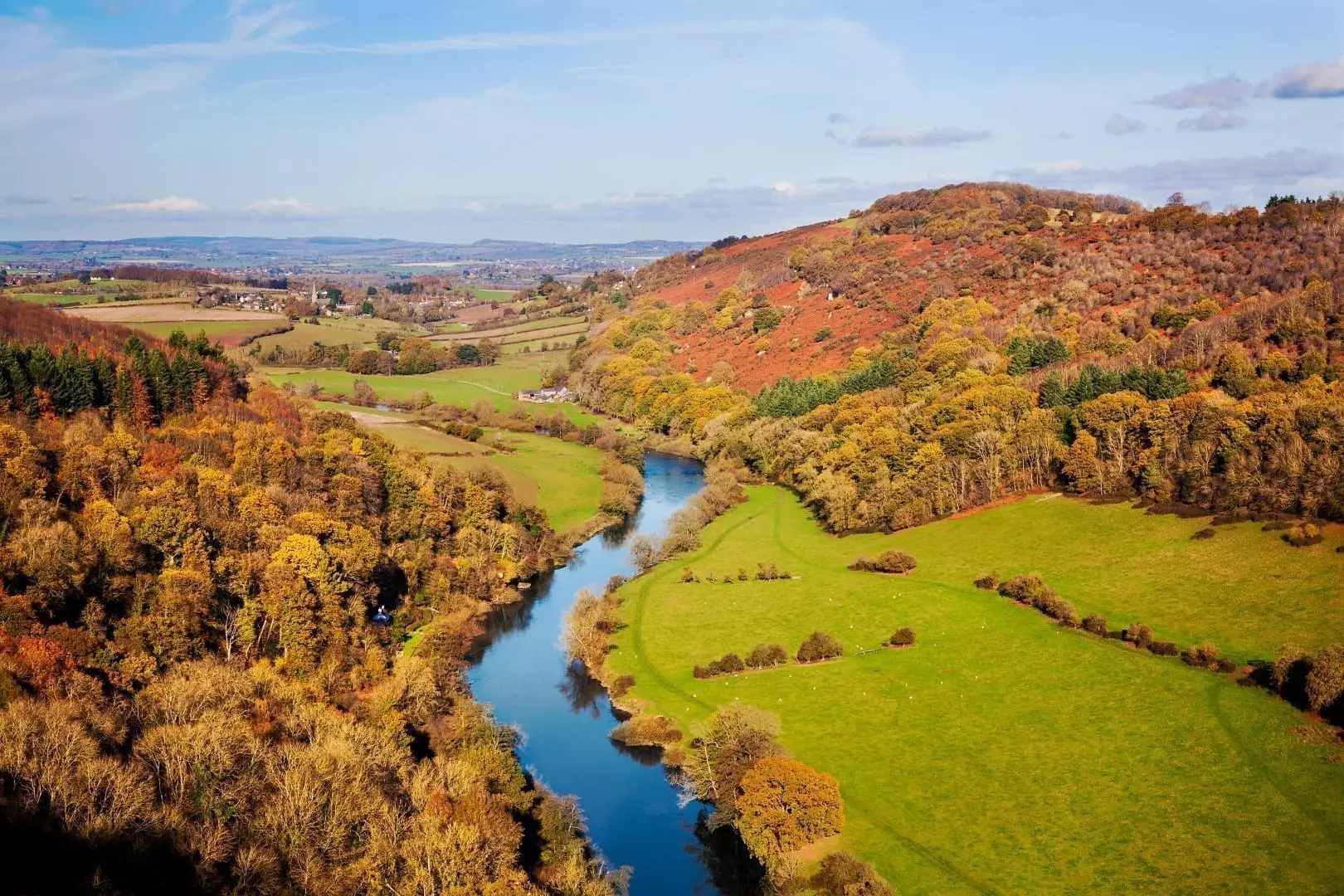
The Wye Valley in autumn — mid-October to early November brings the peak of Welsh leaf colour.
Wales in autumn is the season most first-time visitors miss and most returning visitors book. From mid-October to early November the country transforms into some of the most spectacular colour in Britain: the beech and oak woodlands of the Wye Valley glow in copper and gold, the sheltered gorges of Bannau Brycheiniog (Brecon Beacons) turn early in late September, and the higher hills of Eryri (Snowdonia) hold their colour into the first week of November. The autumn wildlife spectacle is equally strong — over 300 fallow deer and 64 red deer rut at Margam Country Park through October, grey seal pups begin appearing on Pembrokeshire and Anglesey beaches from late August, and starling murmurations gather over Aberystwyth Pier and RSPB Newport Wetlands from mid-October. Autumn is also when the Welsh food festival calendar peaks, with the Abergavenny Food Festival (19–20 September 2026) drawing over 30,000 visitors and half a dozen smaller festivals filling the shoulder weekends.
This guide covers the best places to see autumn colour by region and week, the key wildlife events with locations and timing, the September to November food festival calendar with 2026 dates, weather realities, packing advice, and where to base yourself for the shortest driving distances to the biggest autumn highlights. All information has been verified against Visit Wales, Cadw, Natural Resources Wales, the Met Office and the individual festival organisers as of July 2026.
Planning this trip? Ask Branwen, our free AI trip planner →
At a Glance: Wales in Autumn
- Peak autumn colour: Mid-October to early November across most of Wales; late September to early October in sheltered Waterfall Country gorges
- Best regions: Wye Valley (Tintern to Monmouth), Bannau Brycheiniog, Elan Valley, Betws-y-Coed and Coed y Brenin in North Wales
- Weather: Mild but wet, 8–18°C, first Atlantic storms arrive in late October
- Biggest event: Abergavenny Food Festival, 19–20 September 2026
- Best wildlife: Red and fallow deer rut at Margam (October), grey seal pups (Oct–Nov), starling murmurations (Oct onwards)
- Half-term: Welsh school half-term is typically the last week of October — busiest week of autumn for family attractions
- Daylight: Late September ~12 hours, late October ~10 hours after clocks go back, late November ~8.5 hours
- Best time to book: Autumn accommodation is 30–40% cheaper than summer outside half-term week
When Does Autumn Colour Peak in Wales?
Peak autumn colour in Wales does not arrive on the same date across the country. Altitude, aspect and shelter all shift the timing by a fortnight or more between regions. Here is the pattern of a typical Welsh autumn based on Met Office climate data and 20 years of observation records from Natural Resources Wales.
| Region | Peak colour window | Best specific spots |
|---|---|---|
| Waterfall Country, Bannau Brycheiniog | Late Sept to early October | Sgwd yr Eira, Henrhyd Falls, Nedd Fechan gorge |
| Wye Valley (South) | Mid-October to early November | Tintern Abbey, Symonds Yat, Kymin Tower, Bargain Wood |
| Elan Valley (Mid Wales) | Mid-October to early November | Craig Goch Dam, Elan Village, Gilfach Nature Reserve |
| Eryri (Snowdonia) | Mid-October to early November | Betws-y-Coed, Coed y Brenin, Nant Gwynant, Beddgelert |
| Clwydian Range (North East) | Mid-October to early November | Llangollen Canal, Castell Dinas Brân, Moel Famau |
| Fforest Fawr (near Cardiff) | Late October to mid-November | Castell Coch woodland walks, Cwmcarn Forest Drive |
| Coastal Pembrokeshire | Late October to mid-November | Colby Woodland Garden, Bosherston Lily Ponds |
The two-week rule: If you can only visit for one week, aim for the two weeks bracketing 25 October. This window catches Waterfall Country before the leaves drop, hits peak colour in the Wye Valley and Eryri, and lets you experience one of the busiest weekends of the autumn food festival calendar.
The Best Places for Autumn Colour in Wales
The Wye Valley: The Classic Welsh Autumn
The lower Wye Valley between Monmouth and Chepstow is the most photographed autumn landscape in Wales. The National Landscape (formerly Area of Outstanding Natural Beauty) has heavily wooded slopes rising from the river with beech, oak and ash all changing at slightly different times, giving several weeks of colour. The signature view is Tintern Abbey in late afternoon, when low sunlight catches the ruined 13th-century church against a backdrop of copper beech.
For walkers, the 5-mile round trip from Tintern across the Wye footbridge and up to the Devil’s Pulpit viewpoint (allow 2 to 2.5 hours) gives one of the best panoramic autumn views in Britain. On the Welsh side, Bargain Wood above Llandogo is quieter and has a series of viewpoints along a wooded ridge. The Wye Valley Walk (136 miles from Rhayader to Chepstow) can be walked in shorter linear or circular sections using the wooded escarpments as day walks.
Waterfall Country, Bannau Brycheiniog
The gorges of the Nedd, Mellte and Hepste rivers in the southern Bannau Brycheiniog National Park hold Atlantic temperate rainforest — one of the rarest habitats in Europe. The deep gorges limit light on the woodland floor, which causes leaves to change earlier than elsewhere in Wales. Peak colour is usually late September to early October, though in cooler years it slips into mid-October.
The classic route is the Four Waterfalls Walk (5.5 miles, 3 hours, moderate), which takes in Sgwd Clun-gwyn, Sgwd Isaf Clun-gwyn, Sgwd y Pannwr and Sgwd yr Eira. The last of the four is walkable behind the falling water — a Welsh autumn experience with no equivalent in Britain. Henrhyd Falls, which featured as the Batcave entrance in The Dark Knight Rises, is a shorter walk from the same base and holds colour into mid-October.
Eryri (Snowdonia): Colour Meets Mountain
Eryri combines autumn woodland with sudden dramatic mountain backdrops. Two specific spots deserve the trip:
- Betws-y-Coed and the Fairy Glen: the “little chapel in the woods” is the gateway village for autumn Eryri. The short walk to the Fairy Glen from the village (30 minutes each way, honesty box entry) passes riverside pools framed by golden oak and beech. Nearby Swallow Falls on the River Llugwy runs full after autumn rain.
- Coed y Brenin near Dolgellau: a mixed native and plantation forest with world-class mountain biking and quieter walking trails. Best autumn views from the Ty’n y Groes trails, with mist rising through the tree canopy in the morning.
The Elan Valley: The Underrated Choice
The Elan Valley in Mid Wales has five Victorian reservoirs dammed between wooded hillsides. In autumn the surrounding oak and beech turn against the mirror-still water of the reservoirs — a photographic combination hard to match elsewhere in Britain. The Elan Valley Visitor Centre near Rhayader has waymarked walks for every ability. Combine with a stop at Gigrin Farm Red Kite Feeding Station (2pm feeding in winter, 3pm in summer) for one of Wales’s biggest wildlife spectacles.
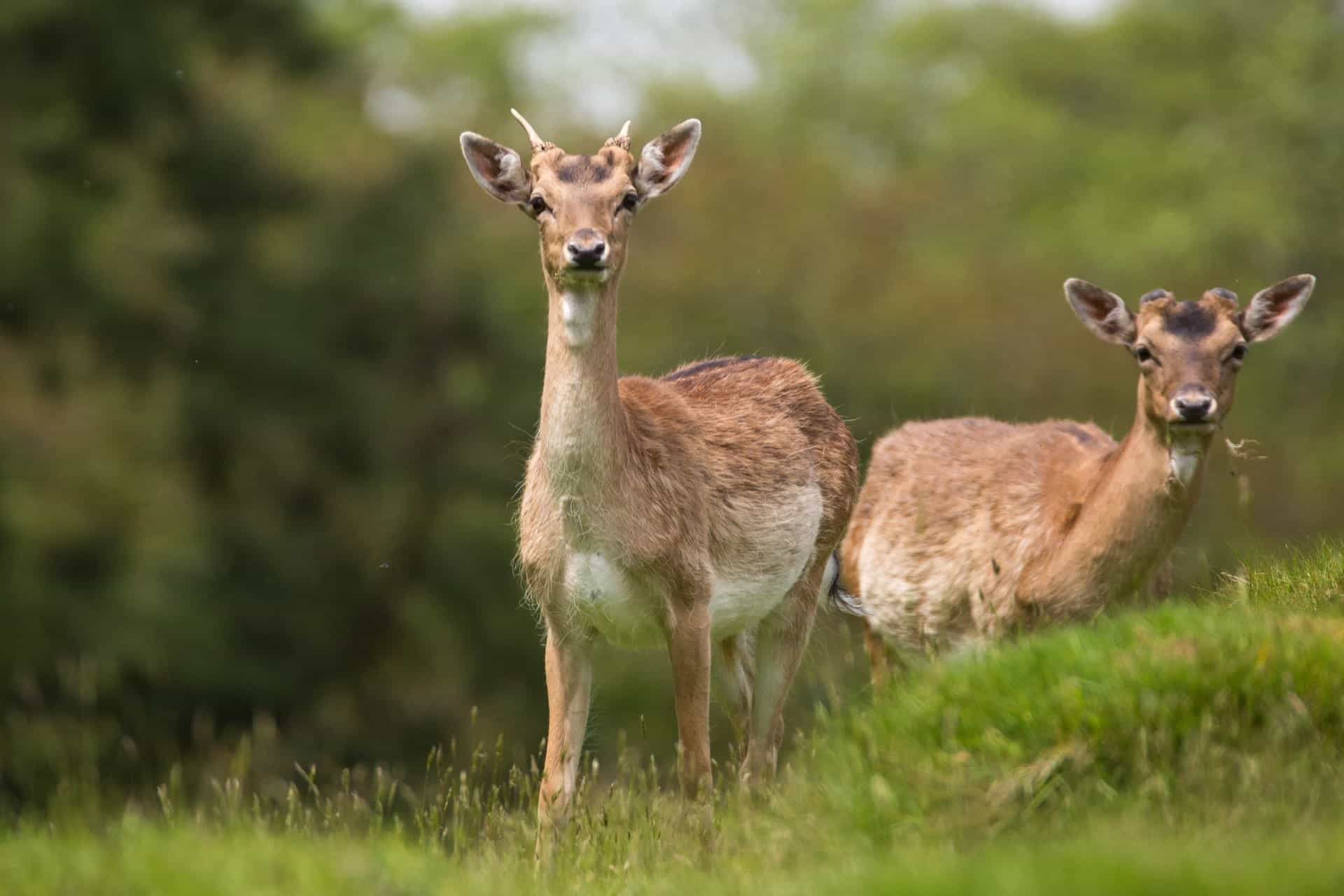
Fallow deer roaming the picturesque grounds of the National Trust Dinefwr estate in Autumn.
Autumn Wildlife in Wales
Autumn is the most active season for Welsh wildlife spectacle. Four events are worth planning a trip around.
The Deer Rut (September to November, peak October)
The annual rut is one of the greatest wildlife spectacles in Britain. In Wales the most reliable location is Margam Country Park near Port Talbot, home to over 300 fallow deer, 64 red deer, and 34 Père David deer — the last a rare species from China, kept as part of a joint conservation programme with London Zoo. Free entry to the park; car park charge. The mapped deer walk allows you to watch stags clashing antlers and hear the low bellowing “roar” from a safe distance. The peak two weeks are typically 10–24 October, but activity continues from late September into early November.
For wild deer without the visitor crowds, the more remote corners of Bannau Brycheiniog hold wild red deer in the north and east of the park. Wild sightings need quiet dawn or dusk hillside walking and considerable patience.
Grey Seal Pupping (Late August to mid-December, peak October and November)
Grey seal pups are born on Welsh beaches from late summer into early winter. Peak season is October and November when hundreds of newborn white-coated pups are visible on Pembrokeshire’s remote beaches. Best places:
- Skomer and Ramsey Islands: managed nature reserves with the largest concentrations. Boat trips run through October (see our Welsh Islands guide).
- Marloes Peninsula (Pembrokeshire): Marloes Sands and Martin’s Haven, viewable from the clifftop paths.
- Newquay Head (Ceredigion): harbour town with grey seals swimming in the bay from October.
- North Anglesey coast: quieter, less-visited seal beaches around Cemaes and Cemlyn Bay.
Wildlife safety: Always watch pups from at least 100 metres. Never approach one on the beach — a mother may abandon her pup if she sees human contact. Keep dogs on short leads on all coastal paths in autumn.
Starling Murmurations (October to February, peak November)
Starling murmurations — the swirling, shape-shifting flocks of tens of thousands of birds returning to roost — build through autumn. The best-known Welsh sites are Aberystwyth Pier, where the birds roost under the pier structure each evening from October, and RSPB Newport Wetlands, where flocks gather over the reedbeds at dusk. The show usually lasts 30 to 45 minutes starting about 30 minutes before sunset. Best viewing conditions are calm, still evenings with clear skies.
Salmon Leaping (October to November)
Atlantic salmon return to Welsh rivers to spawn in autumn, with October and November the peak months. The best places to watch salmon leaping upstream at waterfalls include the Cenarth Falls on the River Teifi, the Cynghordy area near the Heart of Wales Line, and the Falls of Dolgoch in Gwynedd. Peak activity is after heavy autumn rainfall.
Wales’s Autumn Food Festival Calendar
The Welsh autumn food festival calendar is one of the strongest in the UK. Here are the fixed dates for 2026 with the most reliable annual patterns.
| Festival | 2026 dates | Location |
|---|---|---|
| Mold Food and Drink Festival | 19–20 September 2026 | Mold, Flintshire |
| Abergavenny Food Festival | 19–20 September 2026 | Abergavenny, Monmouthshire |
| Narberth Food Festival | 26–27 September 2026 | Narberth, Pembrokeshire |
| Llangollen Food Festival | 10–11 October 2026 | Llangollen, Denbighshire |
| Portmeirion Food and Craft Festival | November (check organiser) | Portmeirion, Gwynedd |
Abergavenny Food Festival: The Anchor Event
The Abergavenny Food Festival is the biggest single event of the Welsh autumn and the reason many food-focused visitors book their trip. Founded in 1999 by two local farmers, Chris Wardle and Martin Orbach, in response to the BSE crisis, it has grown into what the Observer Food Monthly called “the Glastonbury of food festivals”. The 2026 edition runs Saturday 19 and Sunday 20 September and features over 120 producers, 60+ events, and world-class chef demonstrations across six venues in the historic market town.
Weekend tickets are £26 (including booking fee), day tickets £17, under-16s free, with a local resident discount for NP7 postcodes. Book early — accommodation across Abergavenny and the surrounding Bannau Brycheiniog area sells out weeks in advance. Direct trains run from Cardiff (about 40 minutes) and London Paddington (about 2h 30m) with services covered by Transport for Wales.
Autumn Weather in Wales: What to Expect
Wales in autumn is mild and wet. The Welsh climate is milder than most visitors expect (temperatures rarely drop below freezing on the coast until late November) but wetter (parts of Eryri record over 3,000mm of rain a year, more than any other part of Britain). Here is the typical monthly pattern based on Met Office 30-year averages.
| Month | Daytime high | Nighttime low | Rain days (avg) |
|---|---|---|---|
| September | 15–18°C | 9–11°C | 12–14 |
| October | 11–14°C | 6–8°C | 14–16 |
| November | 8–10°C | 3–5°C | 15–17 |
The prevailing wind is from the south-west, driving rain onto the mountains of Eryri and Bannau Brycheiniog. The east coast around Wrexham and Newport is significantly drier and slightly warmer. The first named Atlantic storms of the season typically arrive in late October, bringing dramatic coastal storm-watching to Pembrokeshire, the Llŷn Peninsula and Anglesey.
What to Pack
The Welsh autumn packing list is straightforward:
- Waterproof jacket: the single most important item. Even a light shell is better than none.
- Layered clothing: thermal or fleece base layer, insulating mid-layer, waterproof outer shell. Temperatures vary sharply between morning, midday and evening.
- Sturdy walking shoes with good grip: wet leaves on stone are treacherous.
- Warm hat and gloves for the last two weeks of October onwards.
- Head torch: for early evening walks after the clocks go back at the end of October, when full dark starts around 5.30pm.
- Portable power bank: cold drains phone batteries fast.
- Binoculars: if you plan to watch deer or coastal seals.
- UK plug adapter: Type G, 230V (see our Americans’ guide for full details).

Long exposure captures the smooth flow of a forest waterfall during the autumn season.
Dark Skies: Wales’s Underrated Autumn Advantage
Autumn brings back true darkness earlier each evening — a substantial advantage for Wales, which holds three internationally-designated dark sky areas: two Dark Sky Reserves (Bannau Brycheiniog and Eryri) and one Dark Sky Park (the Elan Valley Estate). From late October onwards it is properly dark by 6.30pm across most of Wales, giving 12+ hours of astronomical darkness for stargazing.
The best autumn nights for stargazing are the two weeks either side of new moon (October and November each have one). Cold, clear, calm nights after a passing front give the best atmospheric transparency. See our complete Wales stargazing guide for locations, timing and what to expect. Bardsey Island (Ynys Enlli), Europe’s first International Dark Sky Sanctuary, is closed to overnight visitors after the end of October — see our Welsh Islands guide for the strict seasonal window.
Autumn in Wales for Families and Half-Term
Welsh school half-term is typically the last week of October. This is the busiest week of the Welsh autumn for family attractions, and accommodation is up to 40% more expensive than the surrounding weeks. Book early or plan around it.
Family-focused autumn activities include:
- Pumpkin picking: most Welsh farms with pick-your-own now offer pumpkins from mid-October, with attached corn mazes and food stalls.
- The Big Pit National Coal Museum in Blaenavon (a UNESCO cultural site — see our UNESCO Welsh sites guide) — free, underground guided tours running through autumn.
- The National Slate Museum at Llanberis — free, part of the Slate Landscape UNESCO Site.
- Bounce Below at Blaenau Ffestiniog — underground trampolines in a slate cavern, indoor and weather-proof.
- Zip World — Europe’s fastest zip line runs year-round (weather permitting).
- Halloween at Cardiff Castle: the annual “Castle after Dark” evenings usually take place across the last week of October.
Where to Base Yourself for a Welsh Autumn Trip
Because Welsh autumn combines forest walks, wildlife watching, food festivals and stargazing, the best base towns are those with access to several of these within a short drive.
| Base town | Best for | Nearest airport |
|---|---|---|
| Abergavenny | Food festivals, Wye Valley, Bannau Brycheiniog | Cardiff (30 miles) |
| Betws-y-Coed | Eryri autumn colour, Snowdon railway, Fairy Glen | Manchester (75 miles) |
| Rhayader | Elan Valley, red kites, Bwlch Nant yr Arian | Birmingham (95 miles) |
| Monmouth | Wye Valley, Tintern Abbey, Symonds Yat | Bristol (30 miles) |
| St Davids | Seal watching, coast path, Ramsey Island | Cardiff (90 miles) |
| Aberystwyth | Starling murmurations, Ceredigion coast, mid-Wales base | Birmingham (110 miles) |
Find Autumn Cottages and Hotels in Wales
Browse the interactive map below to see real-time hotel and cottage prices across Wales for your autumn dates. Autumn is the best-value season outside of half-term week — cottages that cost £900 for a summer week can be booked for £500–£600 in early October or mid-November.
Autumn Storm-Watching on the Welsh Coast
The Welsh Atlantic coast is one of the best storm-watching destinations in Britain — an under-marketed autumn experience most travellers only know from Cornwall. The best coast for autumn storms is Pembrokeshire and the north Llŷn Peninsula, exposed directly to the Atlantic swell. The first named storms of the season typically arrive in late October, with the peak storm months being November through January.
Best storm-watching spots (safe distance from cliff edges):
- Strumble Head, Pembrokeshire: the lighthouse, easily accessed by a short walk.
- St Ann’s Head, Pembrokeshire: the mouth of the Milford Haven waterway.
- Rhossili Bay, Gower: Worm’s Head at the western end of Gower.
- Aberystwyth promenade: the Victorian sea wall gives a safe front-row view when the seas are running.
- South Stack Lighthouse, Anglesey: north-west corner of Wales, spectacular in storm conditions.
Storm safety: Never stand near a cliff edge in high winds. Always check the Met Office forecast and any warnings before travelling. Coastal roads can close during severe storms. If in trouble on the coast, dial 999 and ask for the Coastguard (not the police).
The Foraging Season
Autumn is peak foraging season across Wales. The most abundant and accessible wild foods for casual visitors are:
- Blackberries: late August through mid-October along hedgerows across Wales.
- Sloes (blackthorn berries): October and November, for sloe gin. Traditionally picked after the first frost.
- Rose hips: October and November — high in vitamin C, used for syrup.
- Wild mushrooms: September to November in Welsh woodland. Never eat wild mushrooms without expert identification. Poisonous species (including deadly ones) grow throughout Welsh woodland.
- Sea buckthorn: October along the Anglesey and Ceredigion dune systems — bright orange berries, high in vitamin C.
Foraging on public land follows the Countryside Code: take only what you need, leave plenty for wildlife, and never damage plants or dig up roots. Foraging on private land requires the landowner’s permission.
Frequently Asked Questions: Wales in Autumn
When is the best time to visit Wales for autumn colour?
The best time for peak autumn colour in Wales is mid-October to early November. Sheltered gorges in Waterfall Country (Bannau Brycheiniog) can peak earlier, from late September to early October. North Wales and Eryri (Snowdonia) typically peak from mid-October to early November. The lower Wye Valley around Tintern and Monmouth also peaks in this mid-October to early November window. Timing varies slightly year to year depending on temperatures and whether Wales has had an Indian summer, which can delay colour by up to two weeks.
What is the weather like in Wales in autumn?
Wales in autumn is mild, wet and changeable. September average daytime temperatures are around 15 to 18°C in South Wales, cooler in the mountains. October averages 11 to 14°C. November averages 8 to 10°C. Rainfall increases through the season, with the west coast (Pembrokeshire, Llŷn Peninsula) wetter than the eastern border. Autumn also brings the first named Atlantic storms of the season and is the most reliable time of year for dramatic coastal storm-watching. Pack waterproofs, warm layers and walking shoes with good grip regardless of the forecast.
Where can I see the red deer rut in Wales?
The most reliable place to see rutting deer in Wales is Margam Country Park near Port Talbot, home to a managed herd of over 300 fallow deer, 64 red deer and 34 rare Père David deer. The peak rut is October and free-ranging bucks and stags can be watched from the mapped deer walk within safe distance. Wild red deer also live in the more remote corners of Bannau Brycheiniog (Brecon Beacons) National Park, though wild sightings require patience and quiet hillside walking at dawn or dusk. The wider rutting season for red, roe and fallow deer runs from September to November.
What are the biggest autumn events in Wales?
The Abergavenny Food Festival, held on the third weekend of September (19–20 September 2026), is the biggest single autumn event in Wales, drawing over 30,000 visitors to the Monmouthshire market town. Other major autumn events include the Narberth Food Festival in Pembrokeshire (26–27 September 2026), Mold Food and Drink Festival in Flintshire (19–20 September 2026, the same weekend as Abergavenny), Llangollen Food Festival in North Wales (10–11 October 2026), and Portmeirion Food and Craft Festival in November. October half-term is the busiest week for family attractions across Wales.
Is autumn a good time to visit Wales?
Autumn is one of the best times to visit Wales. Accommodation is cheaper than summer, attractions are quieter (except school half-term), the countryside displays some of the most spectacular colour in Britain, and the Welsh food festival calendar peaks. Wildlife is at its most dramatic with the deer rut in October, grey seal pupping season starting on the Pembrokeshire and Anglesey coasts, and starling murmurations building in numbers through November. Dark skies return earlier each evening, giving world-class stargazing in Wales’s internationally-designated dark sky areas. The main trade-off is weather variability and shorter daylight hours.
What should I pack for autumn in Wales?
For autumn in Wales, pack layered clothing (thermal or fleece base, insulating mid-layer, fully waterproof outer shell), sturdy walking shoes or boots with good grip, a warm hat, gloves, and a lightweight backpack for changing conditions. Bring a head torch for dark early evenings, a portable phone charger (cold drains batteries fast), and binoculars if you plan to watch the deer rut or coastal seals. UK plug adapters are Type G, 230V. Rain is likely most days by late October — a good waterproof jacket is the single most important item.
When can I see grey seal pups in Wales?
Grey seal pups are born on Welsh beaches from late August to mid-December, with the peak pupping season in October and November. The best places to see them are Ramsey Island and Skomer Island in Pembrokeshire, the Marloes Peninsula, Newquay Head in Ceredigion, and the north coast of Anglesey. Pups have white fur for the first three to four weeks before moulting to their adult grey coat. Always watch from a distance of at least 100 metres, never approach a pup on the beach, and keep dogs on leads — approaching a pup can cause the mother to abandon it.
More Welsh Travel Guides

Pembrokeshire-born travel writer and founder of Wales.org. Born in Haverfordwest, now based in Hertfordshire — covering Welsh castles, national parks, festivals and family staycations across all 22 Welsh counties.